Thinking about adding a rental-ready basement, in-law suite, or backyard cottage to your D.C. home? You are not alone. Many owners want extra space for family or steady income to offset today’s costs, but the process can feel confusing. In this guide, you will learn where accessory dwelling units are allowed, what permits you need, and how to build a legal, safe unit that fits your lot and budget. Let’s dive in.
What counts as an ADU in D.C.
An accessory dwelling unit is a smaller, independent home on the same lot as your primary residence. In D.C., common options include a basement apartment, a self-contained floor or suite within the main home, or a detached backyard unit sometimes called a carriage or coach house. All versions must meet zoning rules and building codes to be considered legal.
You will need a separate kitchen, full bath, sleeping space, and a safe way in and out. The unit can be for long-term rental, extended family, or flexible use, but short-term rentals are regulated differently. Keep that in mind as you plan your end use.
Where ADUs are allowed
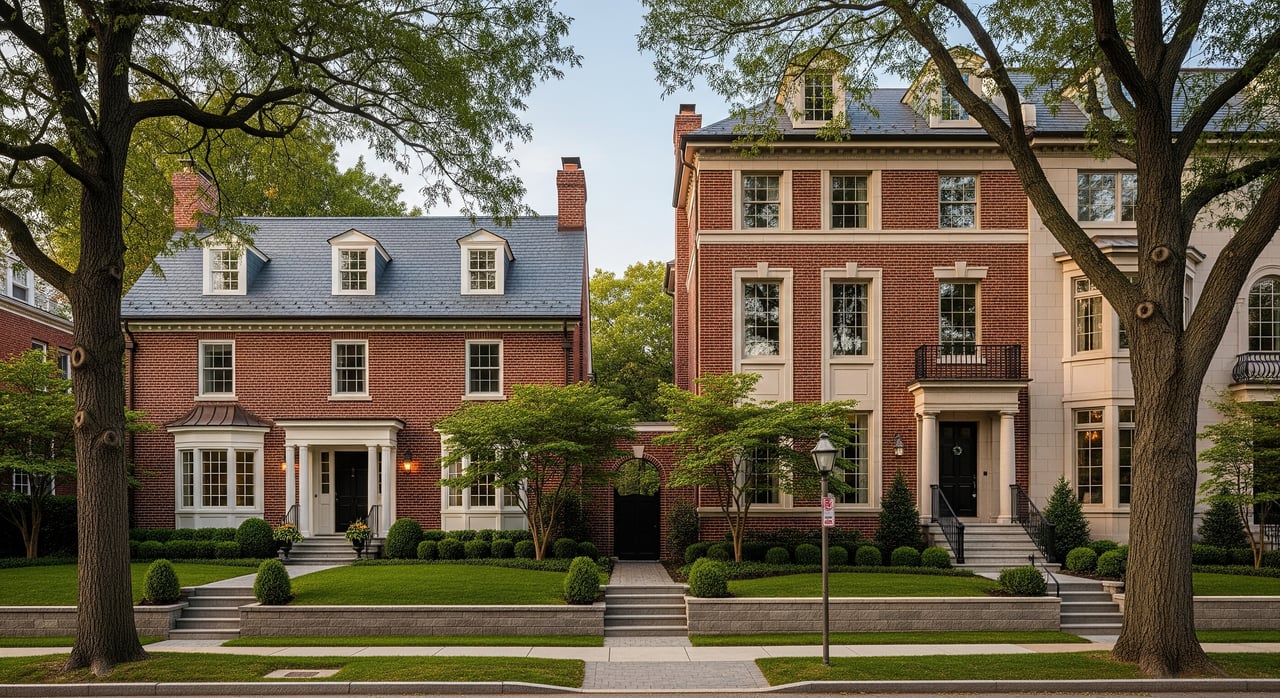
Many residential zones in D.C. allow an accessory apartment in some form. The details depend on your zone and housing type, like whether you have a rowhouse, semi-detached, or detached home. Most properties are limited to one accessory unit per lot, subject to your zone’s standards and any owner-occupancy rules. Historic districts can add design review for exterior changes.
Internal ADUs
Internal units, such as a basement or a separate floor with its own entrance, are often the most straightforward. You still must meet building code for egress, ceiling height, light, ventilation, and fire separation. If your home is older, you may also need upgrades to electrical service, HVAC, or plumbing to support a second kitchen and laundry.
Detached backyard units
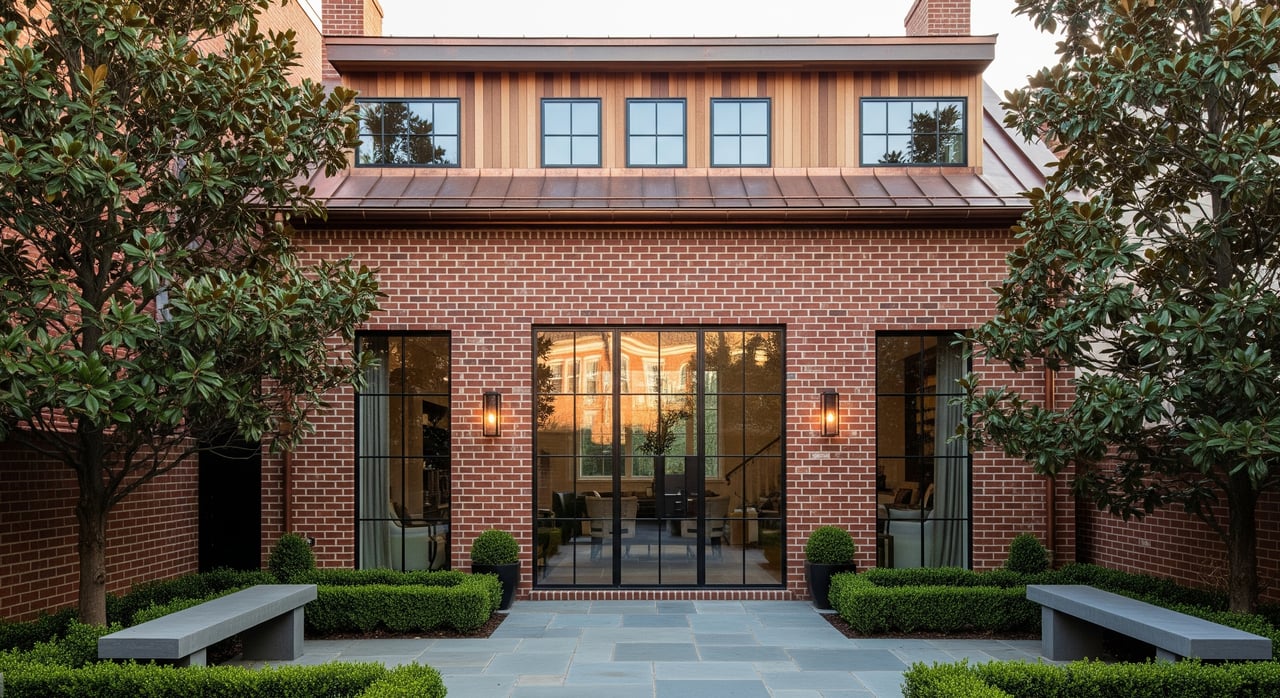
Backyard cottages and carriage houses can offer privacy and strong rental appeal, but they face tighter limits. Setbacks, lot coverage, accessory building height, and rear-yard design rules all matter. If you live in a historic district or have a landmarked property, expect design review for exterior work and new structures.
Above-garage or rooftop units
Adding a unit above a garage or on a roof can be feasible but may require structural reinforcement and enhanced fire safety. These projects tend to be more complex at permit and construction stages.
Owner-occupancy and rental rules
Owner-occupancy basics
D.C. often requires that the owner live in either the main dwelling or the accessory unit. The exact language varies by zone and housing type, so verify your property’s current rules before moving forward. Plan your living arrangement and any future changes up front so you stay compliant.
Short-term rentals
Short-term rentals are regulated separately from long-term rentals. If you plan to use an ADU for short stays, you will need to follow the District’s short-term rental registration, licensing, and operational rules, which are different from traditional leasing.
Landlord duties
Turning an ADU into a rental unit comes with landlord obligations. D.C. has strong tenant protection and habitability rules. You may need rental registration and licensing, lead-based paint compliance for older homes, and proper handling of deposits and notices. Make room in your planning for these steps.
Site and building must-haves
Egress, light, and height
Basement conversions usually need a code-compliant emergency exit window or door for bedrooms, plus minimum ceiling heights and adequate light and ventilation. Internal ADUs also need safe exits and, in many cases, a dedicated or code-compliant path of egress.
Fire separation and safety
Expect requirements for fire-rated separations between units, interconnected smoke and carbon monoxide detectors, and sometimes sprinklers depending on scope and configuration. Any added occupancy can trigger upgrades to stairs, doors, or alarm systems.
Utilities and meters
Most ADUs benefit from dedicated HVAC, a new or upgraded electrical panel, and additional plumbing. You can choose shared or separate utility meters. Separate meters simplify billing for rentals but add cost and coordination with utility providers.
Parking and access
Some zones include parking minimums, though properties near transit may qualify for waivers. Narrow D.C. lots make new off-street parking tough. Think through how residents will access the unit and where they will store bikes or trash to reduce neighbor friction.
Historic districts
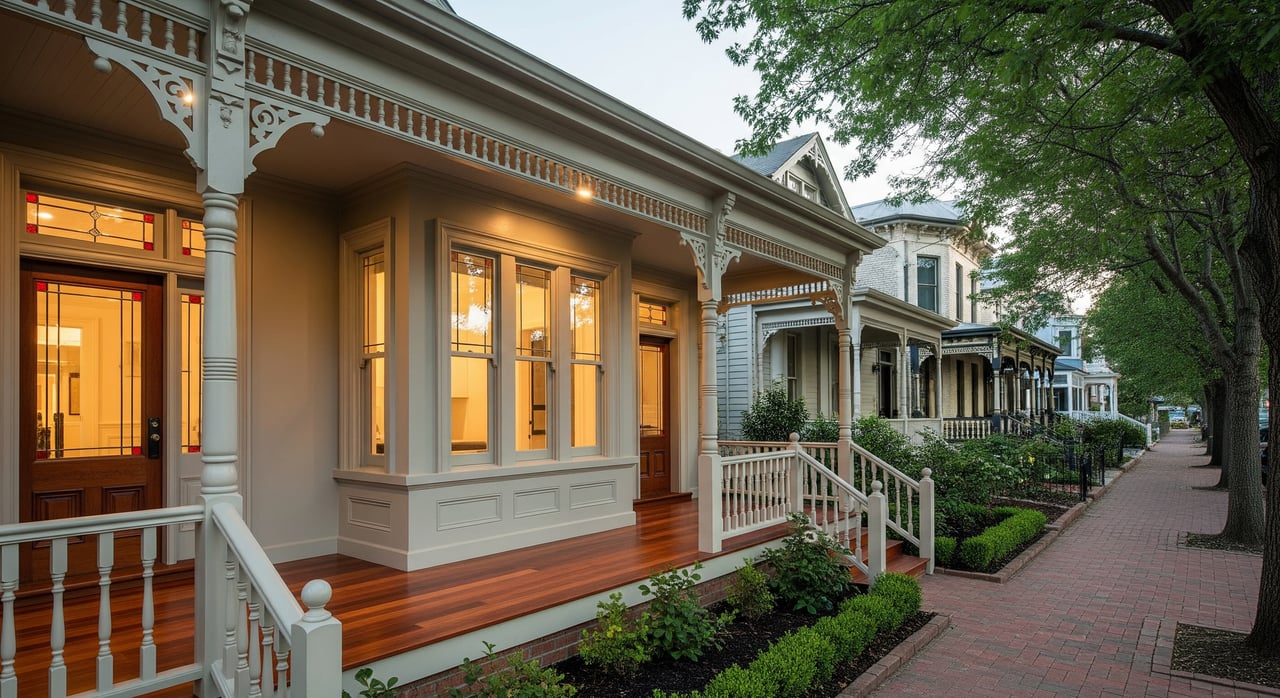
If your home is in a historic district or is a landmark, exterior changes and new backyard structures typically need review and approval. Plan extra time for this step, especially for detached units, new windows, or visible exterior alterations.
Permits and approvals
Pre-checks and zoning confirmation
Start with your address, zoning map, and Title 11 of the D.C. Municipal Regulations to confirm an ADU is permitted for your lot and building type. When in doubt, contact the Office of Zoning for guidance or a formal interpretation. If your property is historic, connect early with the Historic Preservation Office.
Building permits and inspections
You will submit architectural plans for review through the D.C. Department of Buildings, formerly DCRA. Expect separate trade permits for electrical, plumbing, mechanical, and sometimes structural work. Inspectors will visit at key stages, and you will need final approvals to convert the space into a legal dwelling.
Historic review
In historic districts, the Historic Preservation Office and, when needed, the Historic Preservation Review Board evaluate exterior changes and new accessory structures. This review often drives the timeline for detached units and visible alterations.
Timeline and fees
Simple interior ADUs with limited structural changes can sometimes move from permit to final inspection within a few months. Projects with historic review, a new detached structure, or major system upgrades can take several months to a year or more. Fees cover zoning and permit filings, plan review, and historic review when applicable. You will also budget for design professionals, engineering, and potential utility connection fees.
Community outreach
While many ADUs do not need formal zoning relief, exterior changes and density increases can generate neighbor interest. Early, friendly outreach to your Advisory Neighborhood Commission and nearby residents can reduce delays and last-minute objections.
Costs, financing, and ROI
Cost ranges
Every property is unique, but you can use a broad framework. Many interior conversions, including basements, fall from the low tens of thousands into the six-figure range depending on egress, waterproofing, and system upgrades. Detached coach houses typically start higher and can reach mid to high six figures as scope grows. Treat these as ballpark ranges and get contractor bids before you lock a budget.
Financing options
Owners often fund ADUs with a HELOC, home equity loan, renovation loan products such as FHA 203(k), a cash-out refinance, or a private construction loan. Lenders may underwrite differently for income-producing projects, so share your plans and ask about ADU eligibility early.
Income, taxes, and insurance
Rental income must be reported for federal and D.C. taxes. Your property’s assessed value can change when you add livable space, which can affect property taxes. Most owners also need to update their policy to landlord or rental dwelling coverage. Build these into your cash flow and return estimates.
Smart design choices
Layout features that rent
A separate entrance, full kitchen, private laundry, and good storage improve livability and rental value. Clear separation of outdoor space and trash areas helps day-to-day harmony for both households.
Sound, privacy, and energy
In rowhouses and attached homes, acoustic separation matters. Plan for insulated walls and floors, sealed penetrations, and solid-core doors. Energy code compliance at permit is a chance to add insulation, efficient HVAC, and better windows that lower long-term costs.
Construction logistics
Tight D.C. lots limit staging, dumpsters, and deliveries. Your contractor should plan for access routes, work hours, and neighbor communication. Good logistics reduce schedule surprises and keep relationships positive.
Step-by-step plan to add an ADU
- Confirm zoning and constraints
- Look up your zoning and read the accessory use standards for your zone. Identify overlays and whether you are in a historic district.
- Define use and unit type
- Decide on internal vs detached, long-term rental vs family use, and whether you need separate meters or parking.
- Hire the right team
- Engage a licensed architect or designer and a contractor experienced with D.C. ADUs. Ask about egress strategies, fire separation, and utility upgrades in your first consult.
- Schematic design and feasibility
- Test layouts, exits, and code paths. Get early feedback from the Office of Zoning and, if applicable, the Historic Preservation Office.
- Permit submissions
- File building and trade permits with the Department of Buildings. If historic, submit for review and allow extra time.
- Construction and inspections
- Expect staged inspections for framing, electrical, plumbing, mechanical, and final. Keep change orders flexible for older homes.
- Final approval and occupancy
- Close out inspections and secure final sign-off or a certificate of occupancy as required for a legal unit.
- Rental readiness and operations
- Complete rental registration and licensing, update insurance, and follow D.C. landlord-tenant rules before marketing the unit.
How this helps you in today’s market
A legal ADU can unlock flexibility. You might support a family member today and earn rental income in the future. For buyers, an ADU-ready property can expand your search options and offset financing costs. For sellers, a documented legal accessory apartment can broaden your buyer pool by appealing to those seeking income potential.
If you are weighing whether to add an ADU in Northwest D.C. or nearby Maryland suburbs, the right plan comes from pairing your goals with the site realities, zoning path, and a smart budget. A clear strategy up front saves time and helps you capture long-term value.
Ready to understand what is feasible for your home and how it could impact value? Talk with a local advisor early, then move confidently through design, permits, and construction with a realistic plan and timeline.
For next steps, start with your property’s zoning designation, check for any historic status, and schedule a feasibility check with an architect or contractor who has completed D.C. ADUs. Then line up financing, confirm landlord requirements if you plan to rent, and build a timeline that accounts for review periods and inspections.
When you are ready to explore how an ADU could affect your home’s market position or a future sale, reach out. We are here to help you weigh options and plan what comes next.
[Unknown Company] - Request a personalized home valuation
FAQs
Are accessory dwelling units allowed at my D.C. address?
- Start with your property’s zoning and the accessory use standards for your zone, then confirm with the Office of Zoning or a qualified zoning professional.
Do I have to live on the property if I add an ADU?
- Many zones require owner-occupancy in either the main home or the accessory unit, so verify the current rule for your property before you design.
What permits do I need to build a legal ADU in D.C.?
- At minimum, you will need zoning clearance and building permits, separate trade permits, required inspections, and final approval to establish a legal dwelling.
How long does a D.C. ADU project take from start to finish?
- Simple interior conversions can take a few months, while detached units or projects with historic review and major upgrades often take several months to a year or longer.
Will I need to add parking for an ADU in D.C.?
- It depends on your zone and transit proximity; many tight urban lots seek a parking waiver or rely on transit to meet requirements.
Can I use my ADU for short-term rentals like Airbnb?
- Short-term rentals follow separate registration and operational rules in D.C.; confirm those requirements if you plan to host short stays.