Torn between the space of a single-family home and the convenience of a townhome in Bethesda? You’re not alone. Many buyers here balance yard needs, commute time, and maintenance against a thoughtful budget. In this guide, you’ll learn how Bethesda’s market shapes the trade-offs, what to check for each property type, and a simple framework to make a confident call. Let’s dive in.
How Bethesda shapes the choice
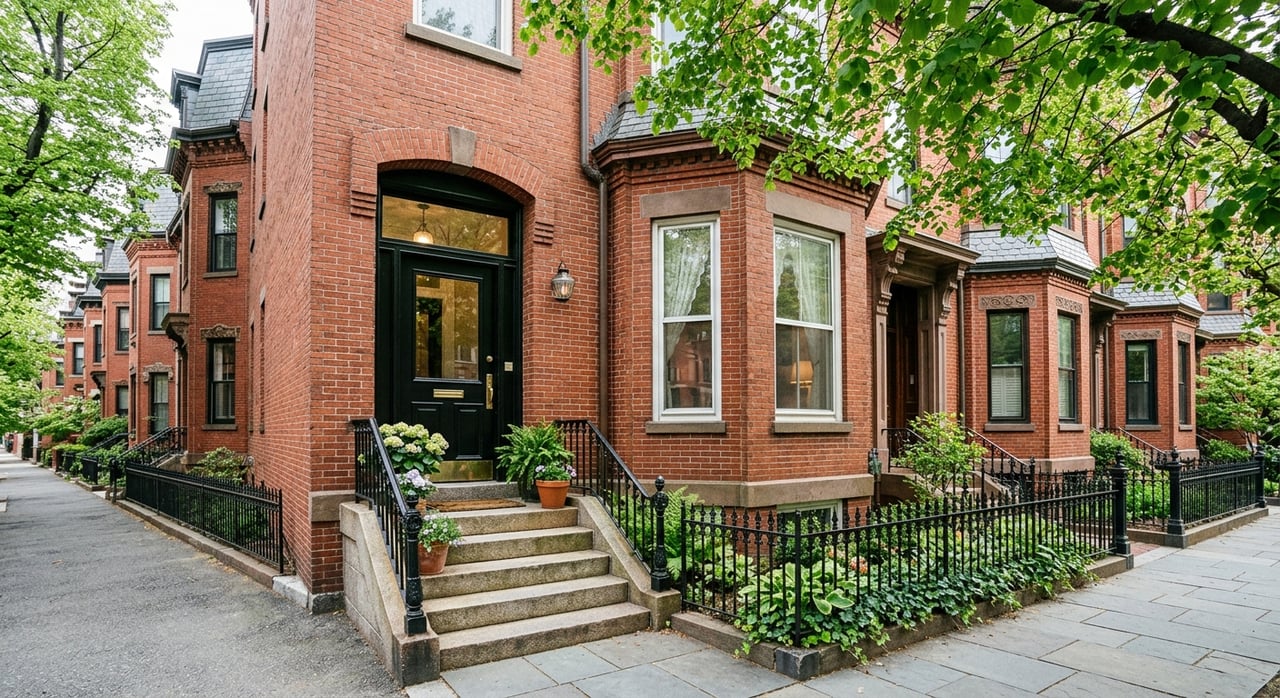
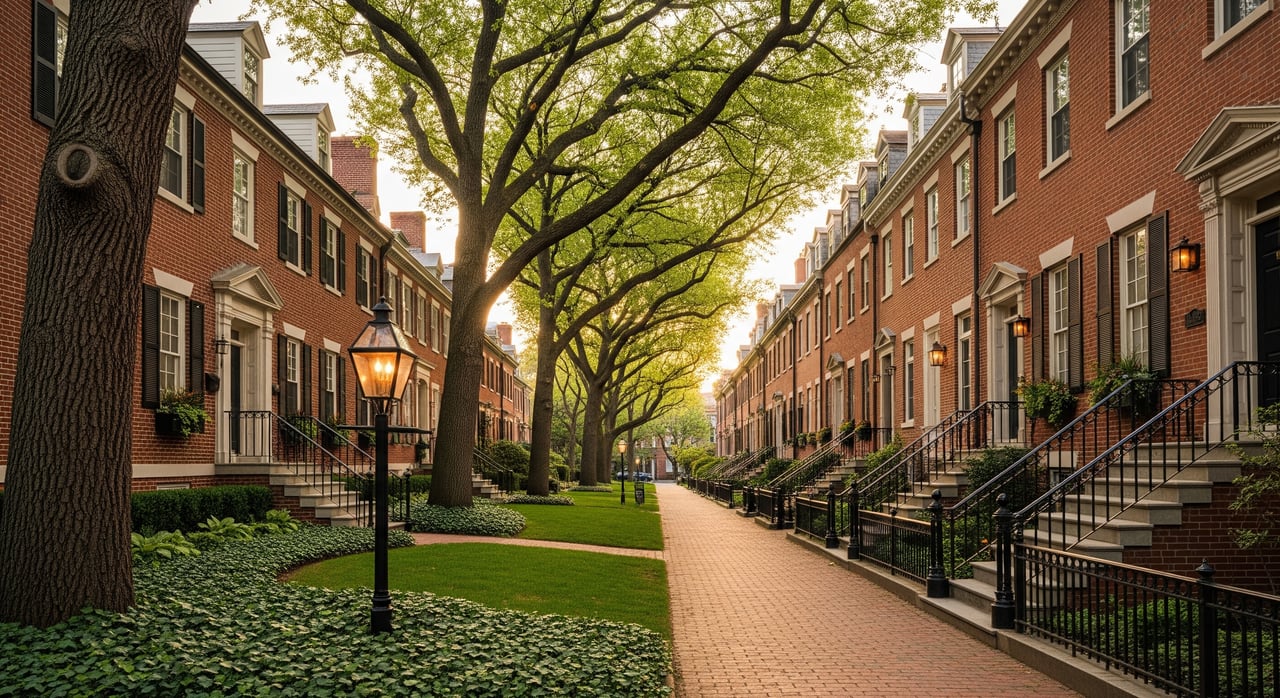
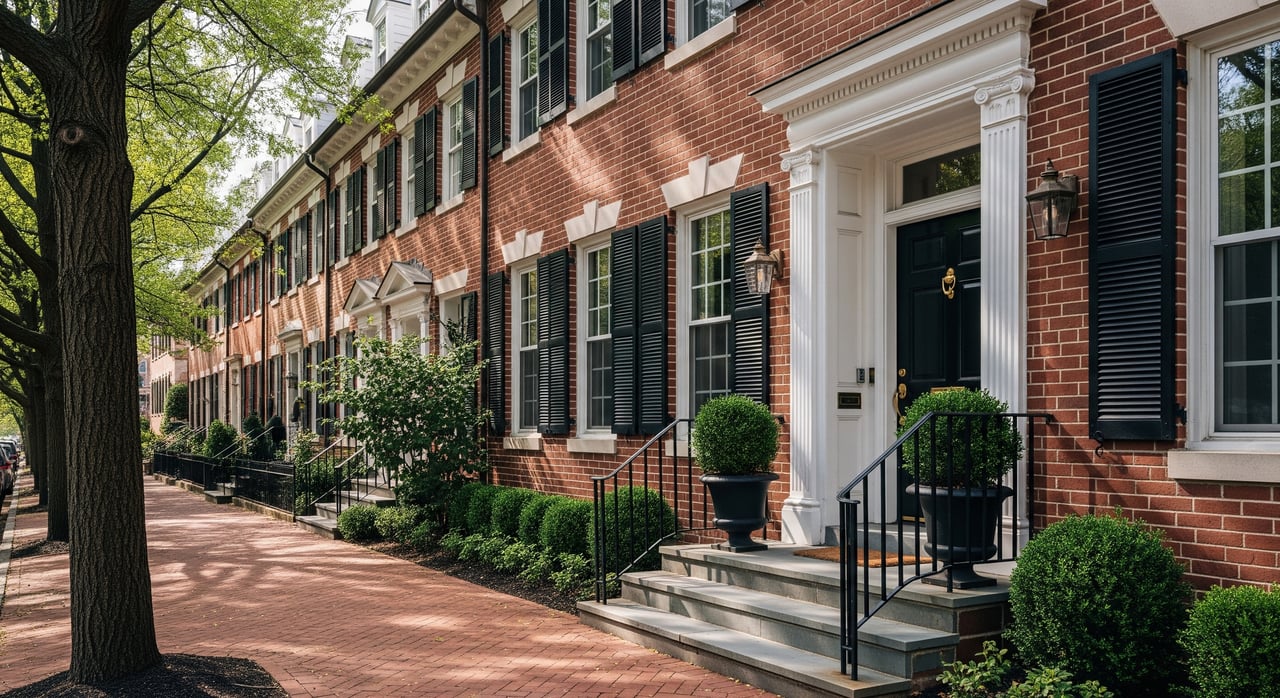
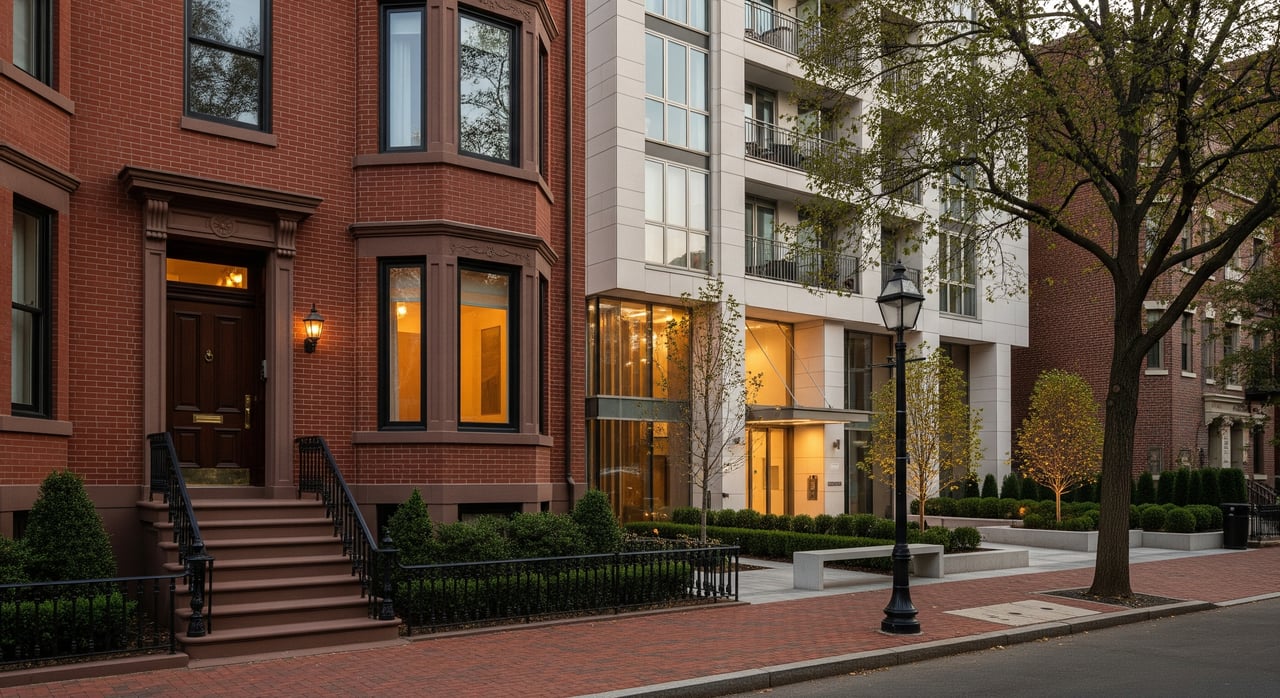
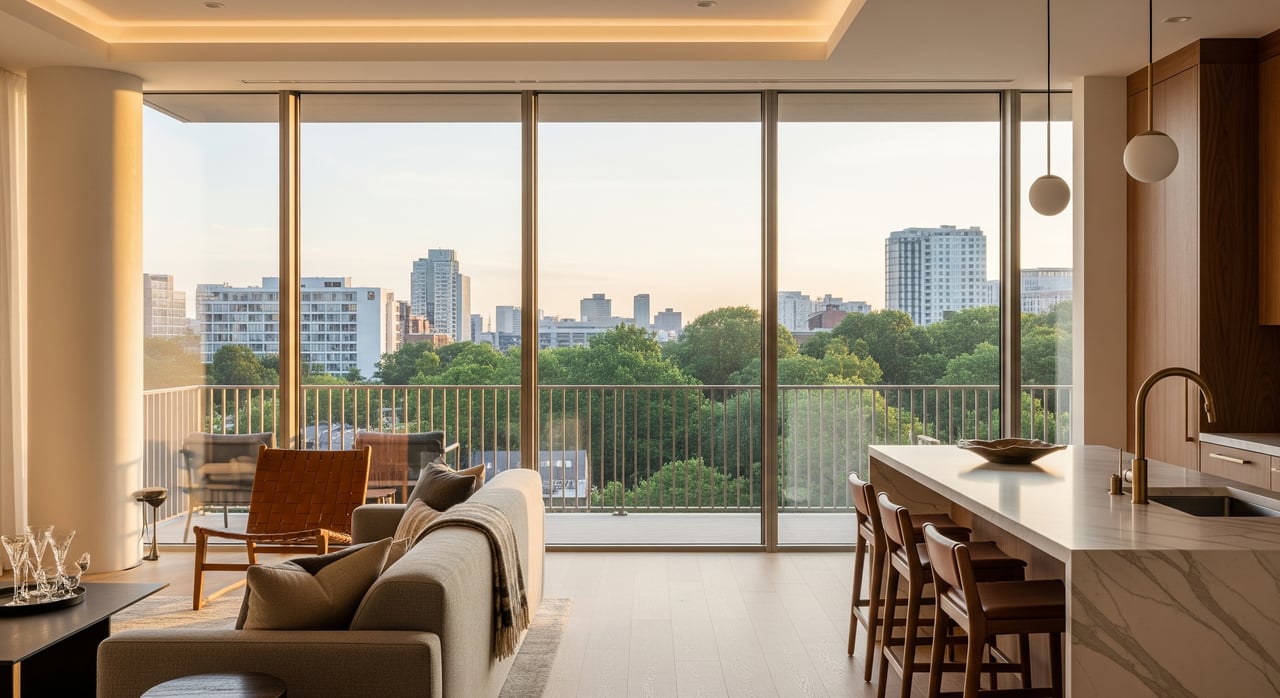
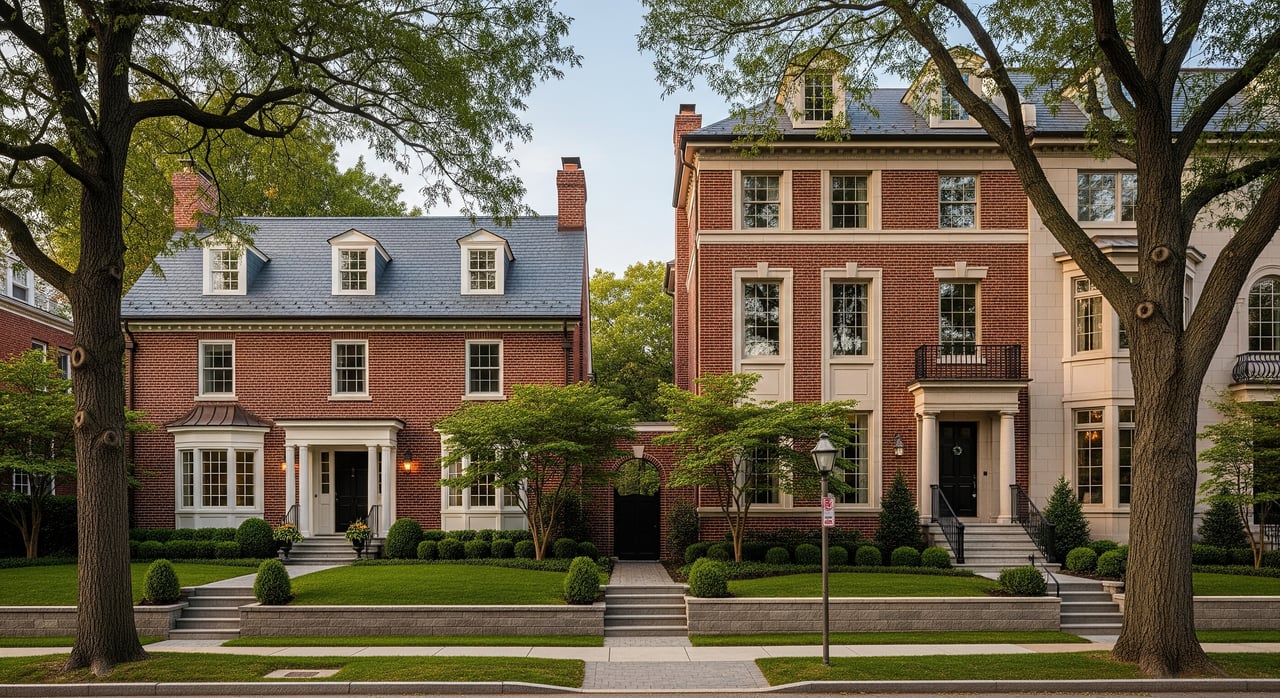
Bethesda has two distinct feels. Close to the Red Line Metro and downtown, you’ll find townhomes and compact single-family homes in very walkable settings. Farther out, single-family neighborhoods offer larger lots and quieter streets with more space.
Pricing reflects that mix. Homes near the Metro and major employers tend to command higher prices. In many cases, a townhome steps from downtown can compete in price with a single-family home a bit farther out. School assignment within Montgomery County Public Schools is also a major factor for families and affects resale.
Single-family vs townhome: what to compare
Price and resale
Single-family homes usually cost more in absolute dollars because of land and private outdoor space. Townhomes can have a lower entry price, though price per square foot can be similar. Near Metro and downtown amenities, the price gap can be smaller.
What to check:
- Recent sold comps by property type and submarket over the last 6–12 months
- Days on market and price per square foot trends
- Resale demand indicators in your specific neighborhood
Lot size and privacy
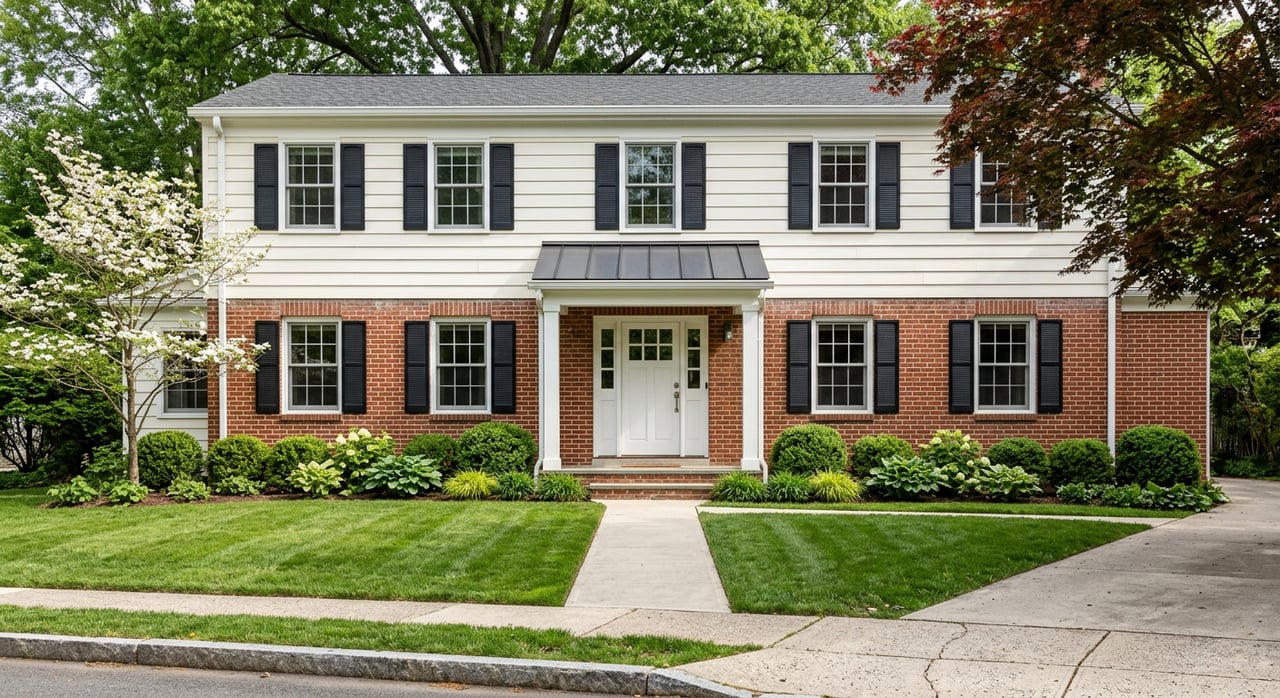
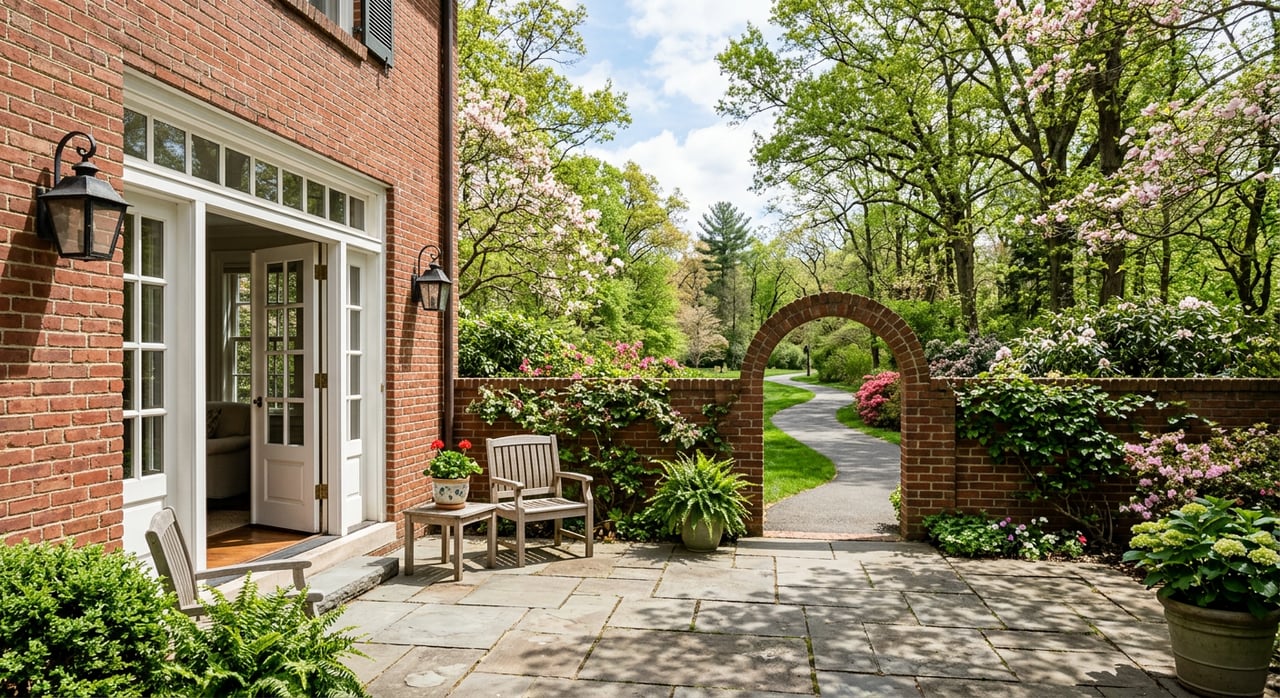
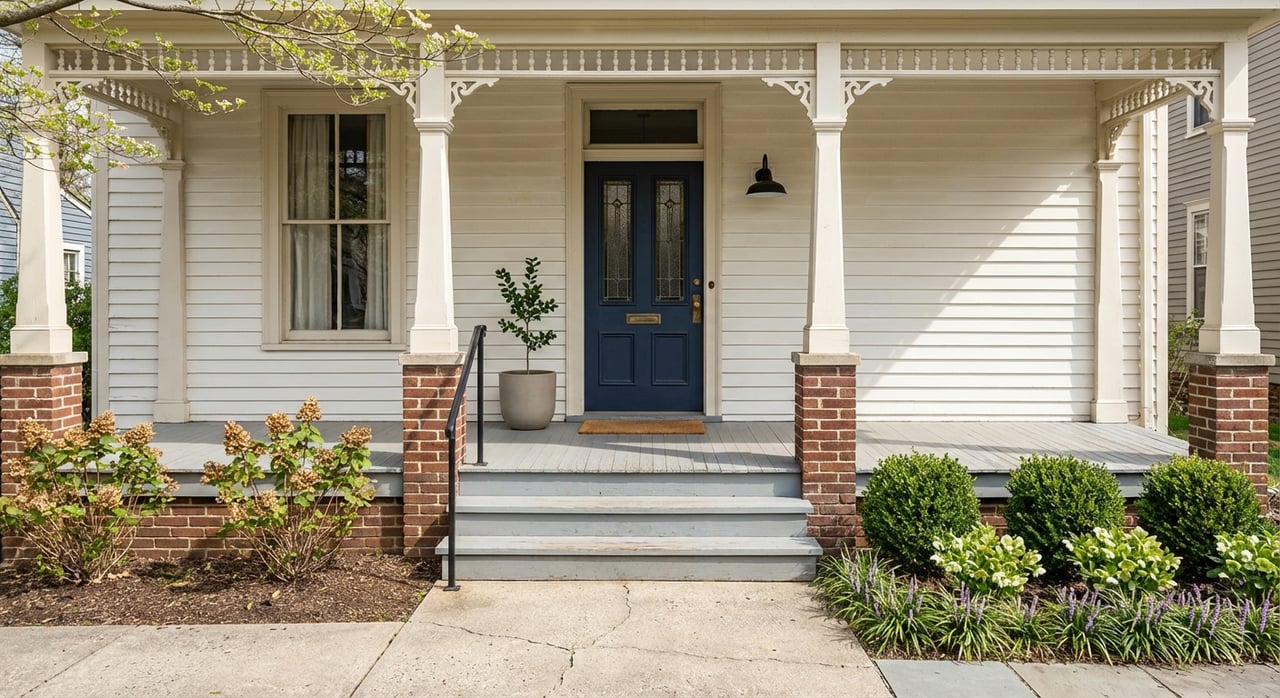
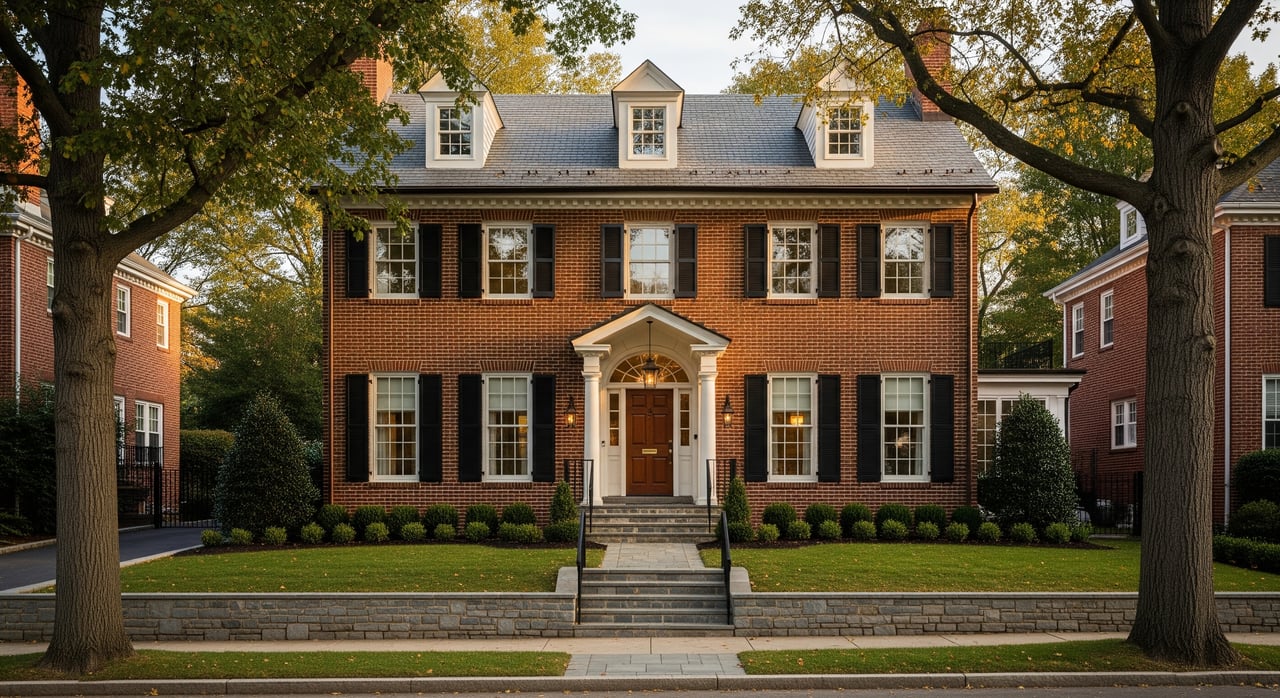
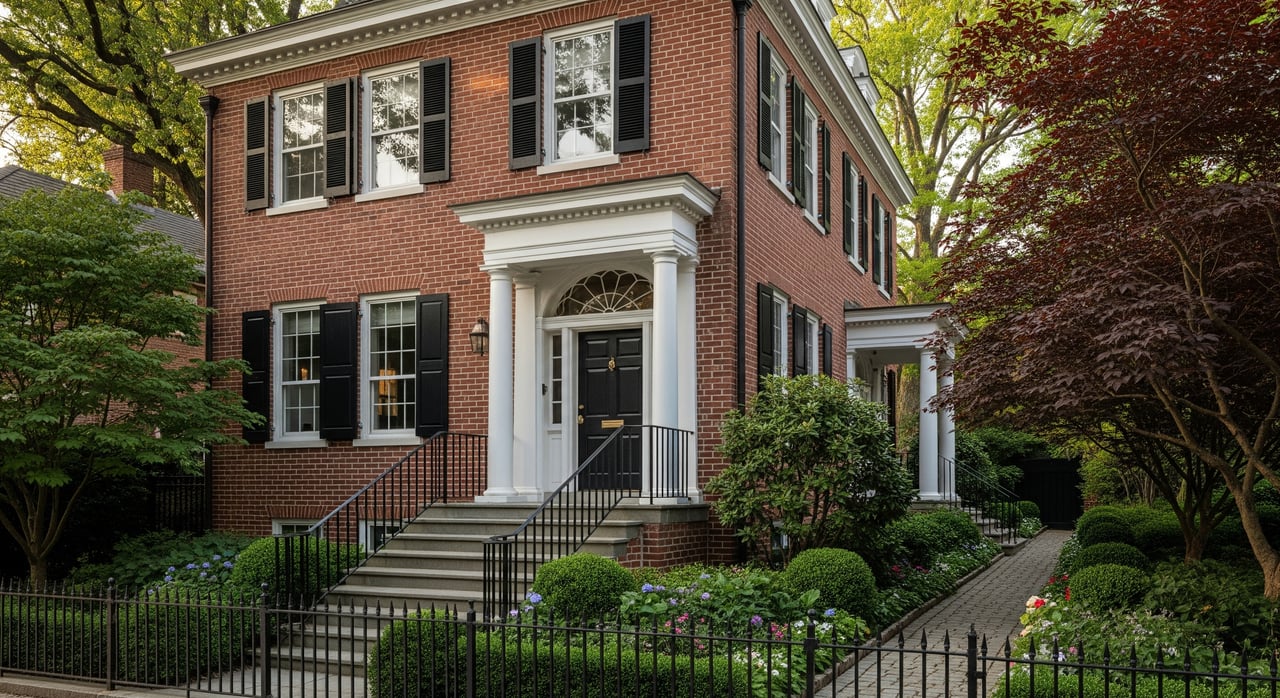
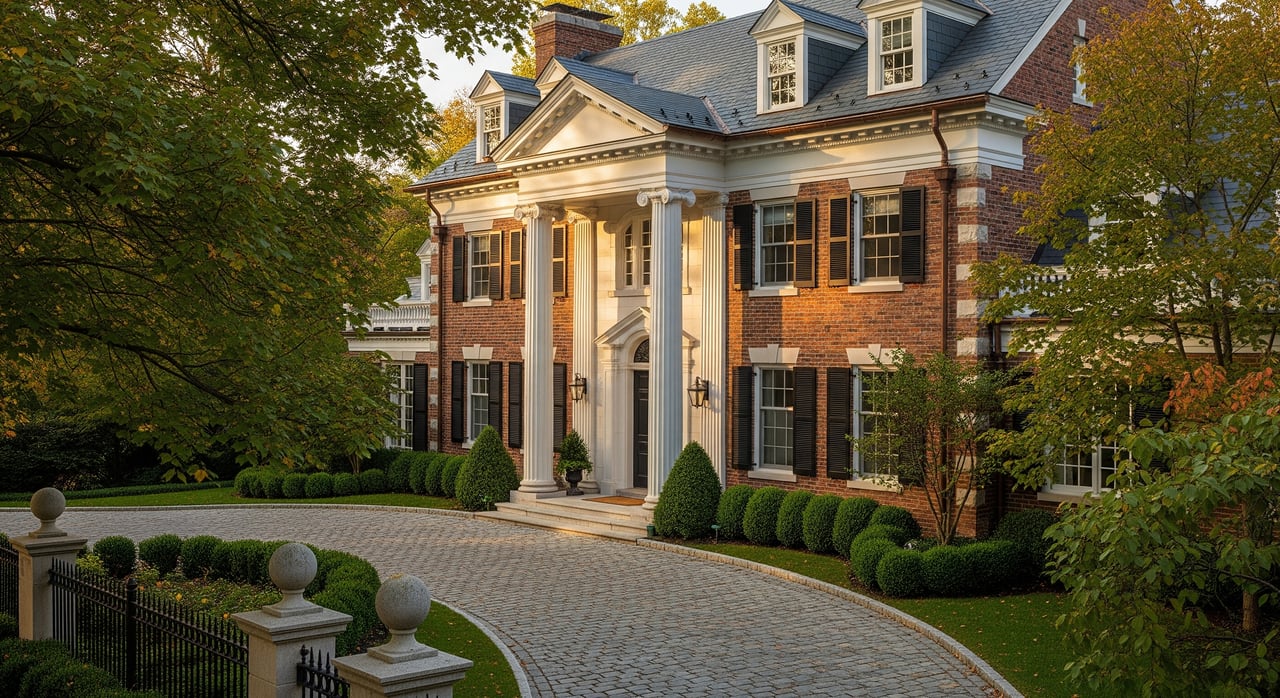
Single-family homes give you private yards and more separation from neighbors. Bethesda lot sizes vary widely, from compact close-in parcels to larger lots in more suburban sections. Townhomes usually offer small patios or minimal yard space.
What to check:
- Lot size on the tax record and usable outdoor area
- Setback and impervious surface limits if you plan hardscaping or additions
- Rear alley access and how outdoor areas function day to day
Space and layout flexibility
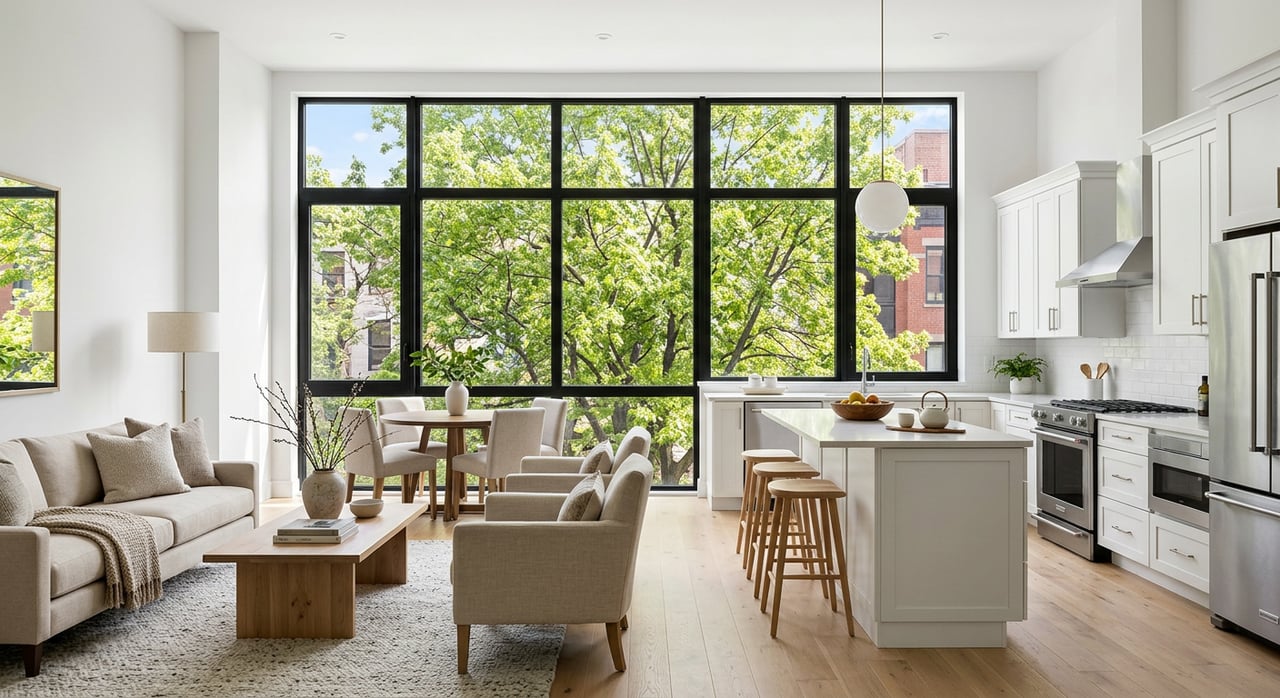
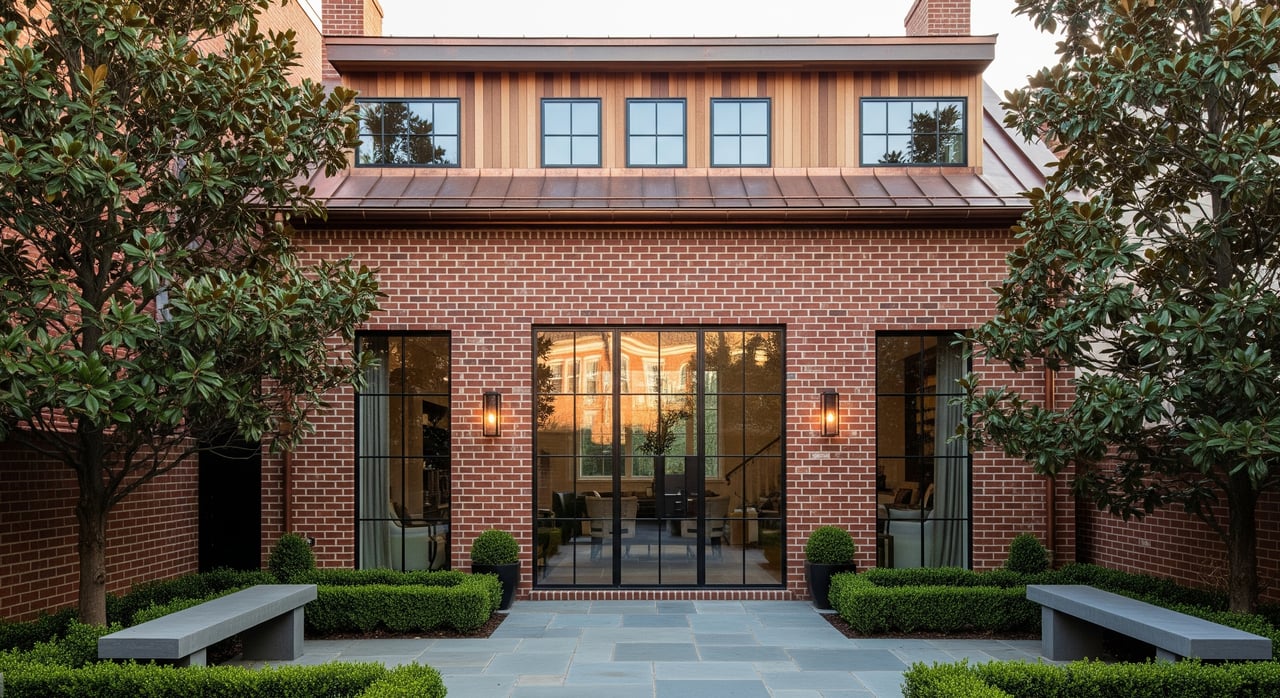
Single-family homes tend to offer more flexible layouts with room to expand, finish basements, or reconfigure spaces. Townhomes often stack living space across multiple levels and may feel more efficient and turnkey, especially in newer builds near downtown.
What to check:
- Finished square footage, bedroom and bathroom count, ceiling heights
- Basement potential and layout flow for daily living
- Structural feasibility for additions or reconfigurations
Maintenance, HOA, and monthly costs
Townhomes frequently include HOA coverage for exterior care, landscaping, snow removal, and shared areas. Single-family owners typically handle all maintenance and landscaping themselves. Your monthly carrying cost should account for these differences.
What to check:
- HOA dues, what they cover, and the association’s budget and reserves
- Special assessment history and CC&Rs
- Condition of roof, HVAC, and other big-ticket systems
- Property tax bill and typical utilities
Parking and access
Many single-family homes include driveways and garages, which also help with guest parking. Close-in townhomes may rely on structured or street parking, which can be tighter.
What to check:
- Off-street parking count and any deeded spaces
- Street parking rules and guest options
- Ease for move-in and service vehicles
Renovation or expansion potential
Single-family homes usually allow more flexibility for additions or accessory spaces, subject to county rules. Townhomes have more constraints because of shared walls and smaller lots.
What to check:
- Zoning classification, setback rules, and any historic or special overlays
- Whether the home is nonconforming and what that means for permits
- Timelines and costs for county permitting
Walkability and daily lifestyle
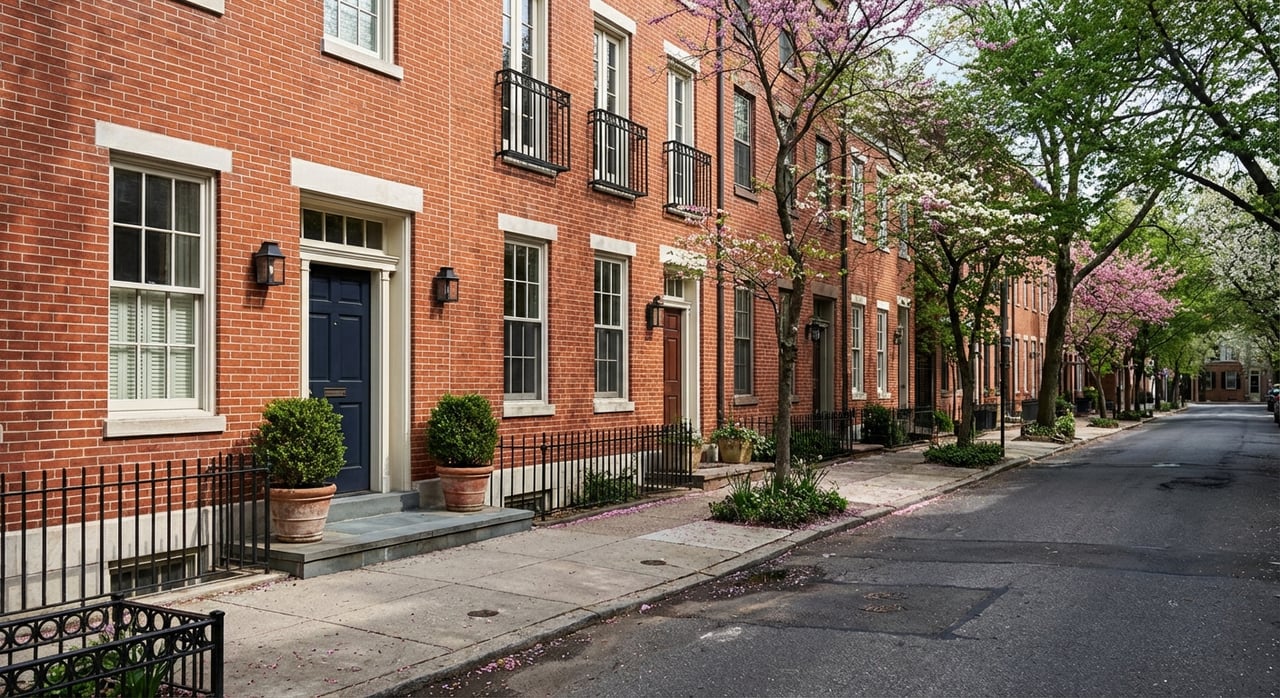
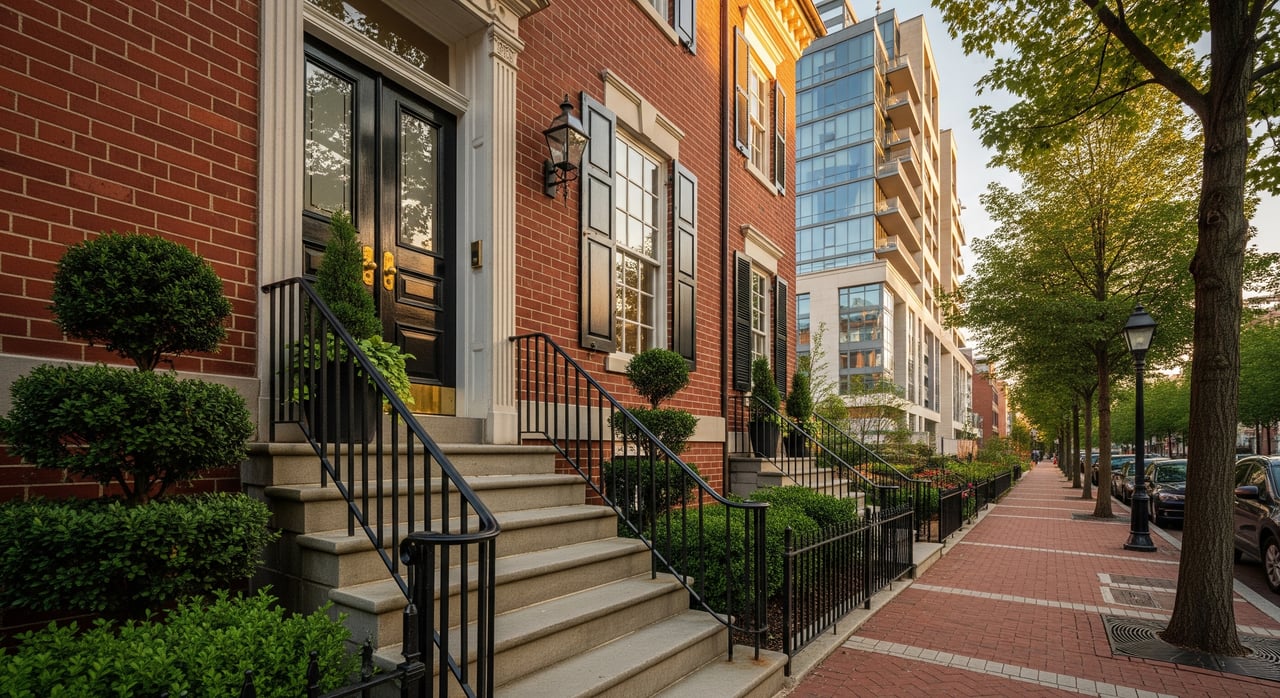
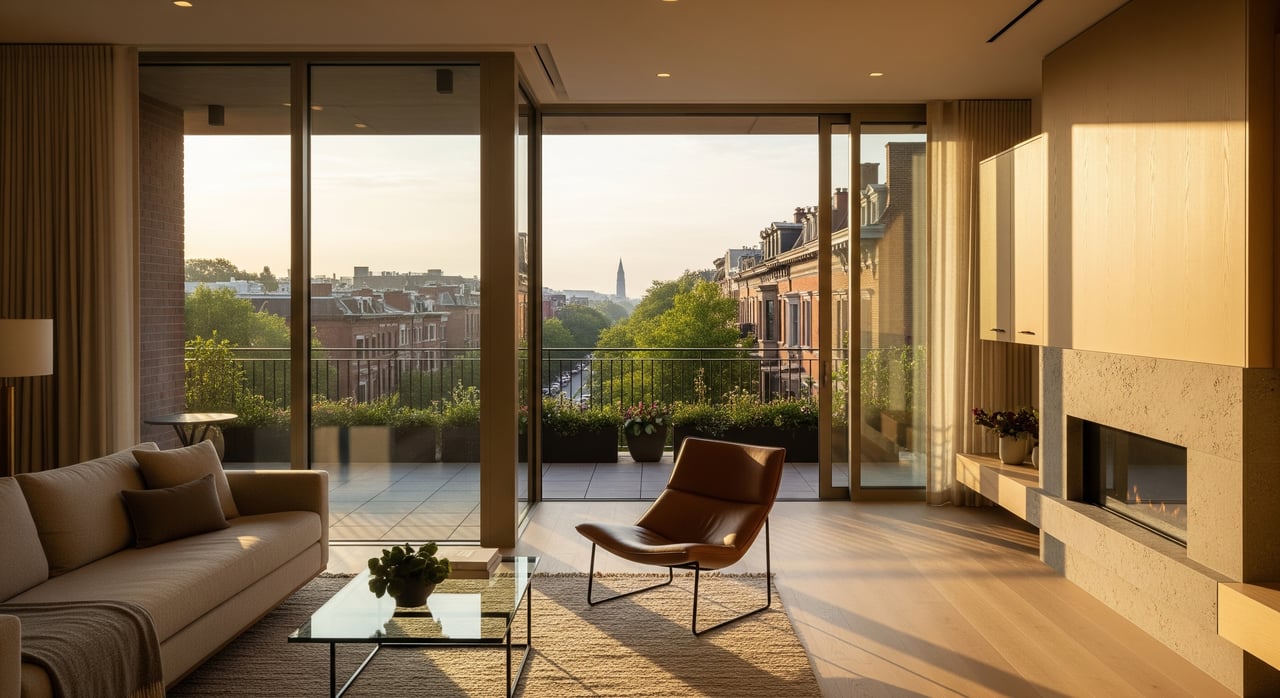
Townhomes near downtown Bethesda often deliver high walkability to shops, dining, parks, and Metro. Single-family neighborhoods farther out trade walkability for more space and quieter streets. Your routine will guide which trade-off feels right.
What to check:
- Distance to Metro and bus stops
- Proximity to grocery, healthcare, parks, and children’s activities
- Bike lanes and safe walking routes you’ll actually use
Schools and family needs
Both property types can fall within sought-after MCPS boundaries, which are address-specific. For many families, being within a desired boundary outweighs other features.
What to check:
- MCPS boundary maps for the exact property address
- School performance information and enrollment trends
- Distance to bus stops or typical walking routes
Taxes, insurance, and carrying costs
Property taxes in Montgomery County are based on assessed value. Townhome communities may have a master insurance policy for exteriors; you still need interior coverage. Compare full monthly costs across options.
What to check:
- Current tax bill and assessed value history
- Estimated homeowner’s insurance for the address
- HOA dues and any master policy details
Typical sizes and price ranges
Bethesda offers a broad spectrum. Exact pricing changes with the market, and you should use current comps before making decisions. As general guidance:
- Single-family homes: Entry points vary by neighborhood and size. Smaller or older homes farther from downtown can start lower, while renovated or larger homes closer in often reach above $1M, commonly into the $1M to $2.5M-plus range for premium properties and lots.
- Townhomes: Usually a lower entry price than comparable single-family homes. Many close-in or transit-oriented townhomes fall in the mid-range and can approach or exceed $1M for newer or luxury options near Metro.
Lot sizes and interior space vary too:
- Single-family lots can range from about 0.05 acre in close-in areas to 0.25 acre or more in suburban sections, with some larger estates.
- Townhomes typically sit on small lots, often with 1,200 to 3,500 square feet of living area depending on levels and any finished basement.
A simple scoring framework
Use this to compare any two properties side by side.
Step 1: List your nonnegotiables
- Minimum bedrooms and bathrooms, plus home office or flex space
- Yard or outdoor needs and preferred street setting
- Commute time by car or transit that you can live with
- Required school assignment or minimum performance standard
- Maintenance tolerance vs desire for HOA coverage
- Purchase price, renovation cushion, and total monthly budget
Step 2: Score each home on a 0–5 scale
- Price and recent comps
- Interior space and layout
- Lot and outdoor space
- School assignment and distance
- Commute and transit access
- Maintenance burden and HOA coverage
- Walkability and amenities
- Renovation or expansion potential
- Resale attractiveness
Step 3: Weight what matters most
- Families may weight schools and outdoor space higher.
- Relocating professionals may weight commute and walkability more.
Step 4: Compare totals and discuss trade-offs
- Use the scores to focus tours, refine offers, or decide to wait for a better fit.
On-the-ground checks before you decide
- Visit at different times of day to gauge noise, traffic, and parking.
- Ask for HOA documents, recent reserve studies, and any special assessments.
- Confirm school assignment with the district for the exact address.
- Get a thorough inspection; for older single-family homes, prioritize roof, foundation, drainage, HVAC, and electrical.
- For townhomes, assess shared-wall sound transfer and any condo elements.
Which is right for you?
Choose a single-family home if you prioritize space, privacy, and yard potential, and you are comfortable managing maintenance or planning future expansions. Pick a townhome if you want lower exterior upkeep and walkable convenience near downtown and transit, and you are comfortable with smaller outdoor areas and HOA rules.
If you are still torn, compare two or three realistic options using the scoring framework. That side-by-side view makes the trade-offs clear.
Ready to weigh your options with local insight and current comps? Let’s talk through your priorities and map a plan that fits your timeline. Connect with Marlene Aisenberg to get started.
FAQs
What are the main cost differences between single-family and townhome in Bethesda?
- Townhomes often have a lower entry price and include HOA services, while single-family homes cost more up front and require you to budget for exterior maintenance and landscaping.
How does walkability differ between downtown Bethesda and nearby neighborhoods?
- Downtown Bethesda and the Metro corridor are highly walkable; moving even a half mile outward can reduce walkability as lots get larger and streets get quieter.
How should I think about schools when choosing between property types?
- School assignment is address-specific within MCPS, so confirm boundaries for any property and consider how that fits your family’s priorities and long-term plans.
Can I add space to a Bethesda single-family home later?
- Often yes, but additions must comply with county zoning, setbacks, and environmental rules, and certain areas may have historic or special overlays that affect scope.
Will a townhome simplify maintenance for a busy household?
- Many townhome HOAs cover exterior care, landscaping, and snow removal, which can reduce time commitments; you’ll trade that convenience for smaller private outdoor space and HOA rules.