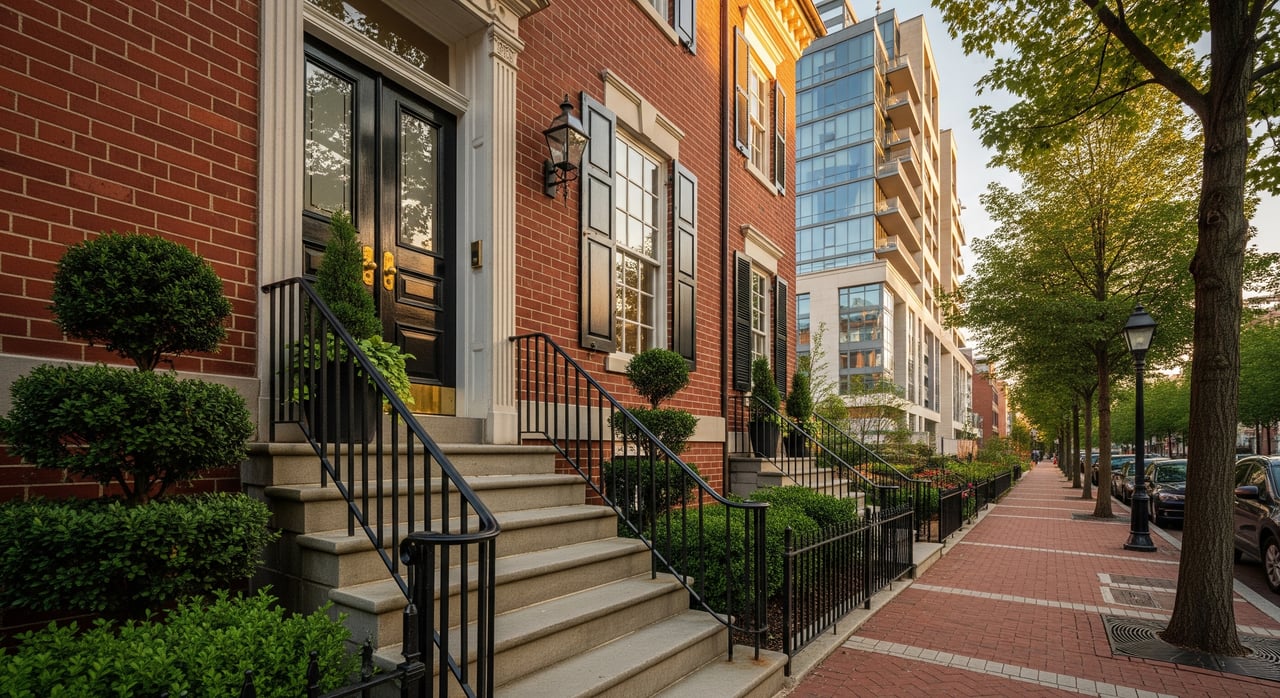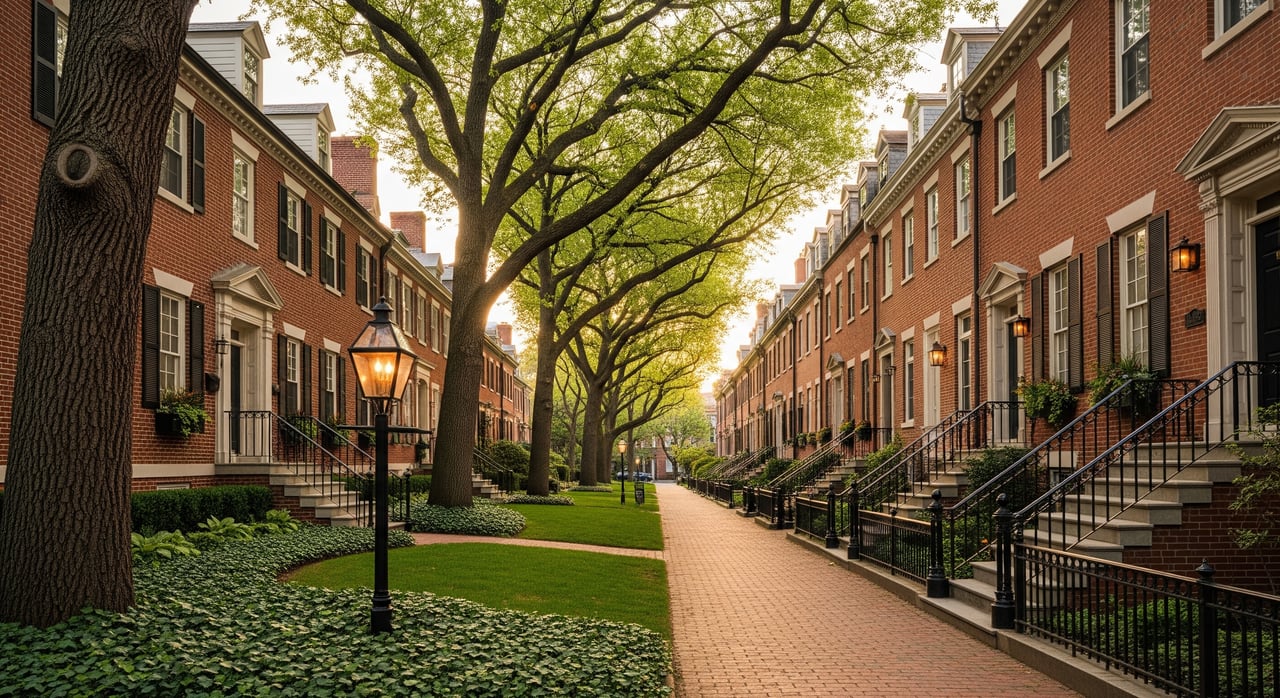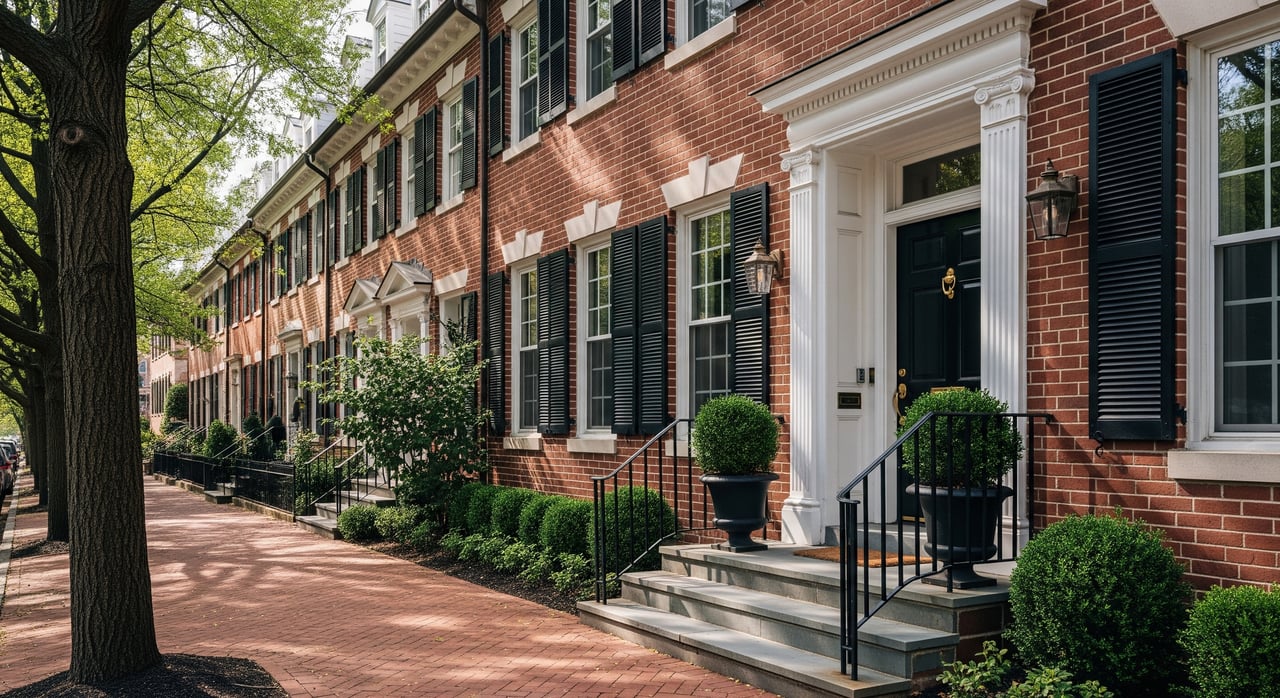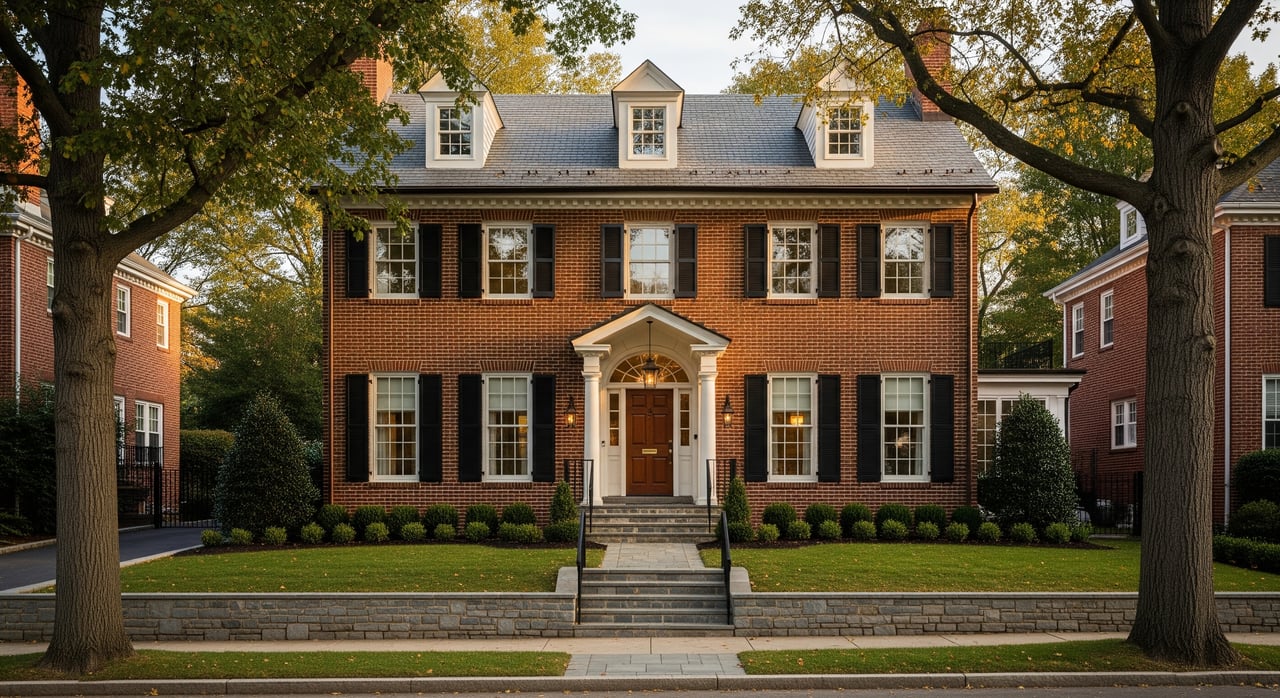
Thinking about a brand-new condo in Northwest DC? You are not alone. New buildings promise sleek design, smart-home features, and low maintenance, yet they can come with higher costs and a few risks. In this guide, you will learn the real pros and cons, NW DC factors that affect value, financing realities, and a practical checklist to make a confident decision. Let’s dive in.
What “new construction” means in NW DC
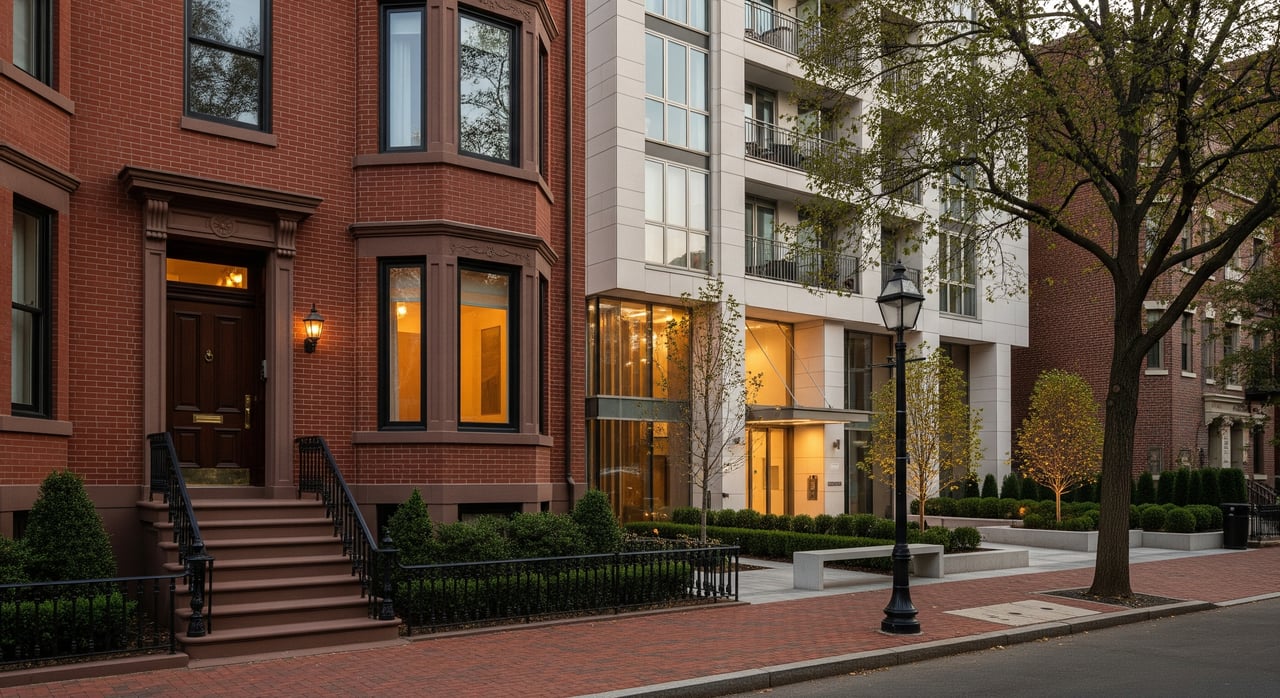
You are looking at recently built or newly converted condominium buildings where systems, finishes, and amenities have not been occupied or used long term. In NW DC, new inventory ranges from boutique walk-ups to full-service buildings with concierge and fitness centers. Supply varies by micro-neighborhood, so pricing and absorption can look different just a few blocks apart.
Pros of new-construction condos
- Modern systems and energy efficiency. New HVAC, insulation, windows, and appliances can lower near-term maintenance and utility costs compared with older buildings.
- Customization and finishes. Early buyers may select floor plans, finishes, and tech upgrades like smart thermostats or EV-ready wiring.
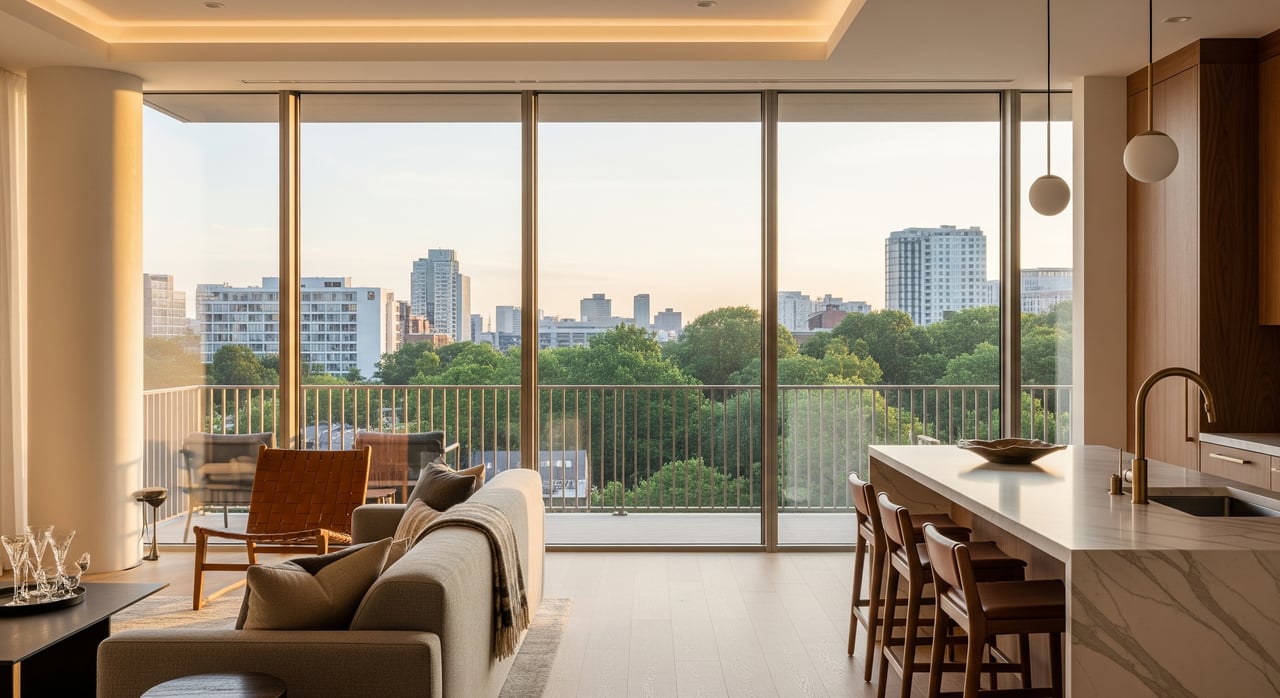
- Amenities that fit city living. Many buildings offer roof decks, fitness rooms, package areas, secure bike storage, and in-unit conveniences like ensuite baths and extra storage.
- Builder warranties. Limited warranties often cover certain defects or systems for set periods, which can help address early issues.
- Lower immediate upkeep. You typically face fewer capital expenses in the early years for big-ticket items like roofs, elevators, or façades.
- Broad appeal and rentability. Transit-rich locations and modern features attract many professionals relocating to the DC area, which can support future resale or rental demand.
Cons and risks to weigh
- Price premium and fees. New units usually sell at a higher price per square foot. HOA fees can also be higher in amenity-rich buildings.
- HOA budgets and assessments. Early-year budgets can be unpredictable. Some developers underfund reserves, which can lead to higher fees or special assessments later.
- Construction and delivery delays. Pre-construction purchases carry timeline risk due to permitting, supply chains, and inspections.
- Early defects and punch lists. Expect correction periods after move-in. Warranty coverage has limits and claim timelines can vary by builder.
- Resale and liquidity risk. If several projects deliver at once in your micro-market, supply can outpace demand, which may affect appreciation and time to sell.
- Financing hurdles. Some lenders follow condo project approval standards. Unapproved projects or high investor concentrations can require larger down payments or specialty financing.
- Developer quality. Builder stability and responsiveness vary, so outcomes differ from project to project.
- Rental and use rules. DC requires licensing for short-term rentals and some buildings limit rentals, which affects investors and owners planning occasional rentals.
NW DC factors that shape value
- Transit and walkability. Proximity to Metro lines and key bus corridors often boosts desirability and supports resale, especially in neighborhoods like Dupont Circle, Logan Circle, Shaw, U Street, and Columbia Heights.
- Historic preservation and zoning. In parts of Georgetown, Kalorama, Dupont Circle, and similar areas, historic reviews can constrain development and increase costs. Limited supply can drive higher prices for the few new units that do reach the market.
- Micro-neighborhood dynamics. Inner NW areas with strong nightlife and dining often attract owner-occupiers and investors, while upper NW pockets like Tenleytown, Cleveland Park, and Woodley Park lean more residential. Emerging corridors such as Petworth and Bloomingdale may see more conversions and changing supply.
- Parks and lifestyle. Access to Rock Creek Park, cultural institutions, and active dining and retail corridors often influences pricing for new buildings.
- Rules and programs. Inclusionary zoning, short-term rental licensing, and condo formation rules affect how buildings are planned, priced, and used.
Buyer due-diligence checklist
Condo governance and finance
- Review the full condo document set: declaration, bylaws, rules, and the initial budget.
- Ask for the HOA budget, reserve study or projected reserves, and any planned assessments.
- Understand rental caps, short-term rental restrictions, pet rules, and parking assignments.
- Confirm how many units the developer still controls and the timeline for board turnover.
Developer and project track record
- Research the builder’s local portfolio and warranty claims history.
- Check the construction schedule, inspection milestones, and Certificate of Occupancy status.
- Ask about sales pace and the mix of owner-occupants and investors.
Unit-specific items
- Study the floor plan, orientation, natural light, and potential noise exposure.
- Verify finish packages, what is included, and the cost of upgrades.
- Clarify parking and storage as deeded or leased, plus bike storage and any EV charging.
Legal and closing details
- Understand deposit escrow terms, contingencies, and your closing timeline.
- Confirm warranty coverage periods and the process for punch-list or defect claims.
- Review required disclosures for new construction or conversions.
Financial and market checks
- Compare nearby sales of both new and resale units to gauge pricing.
- Break down HOA fees to see what they cover and which utilities you pay directly.
- Estimate property taxes once your unit is assessed.
Building systems and operations
- Learn how HVAC and hot water are set up, plus ventilation details for air quality.
- Check elevators, security, package handling, and snow or landscaping plans.
- Review the master insurance policy and what your homeowner policy must cover.
Selling or reselling a new-construction condo
Timing and transparency
- If you plan to sell soon after closing, be upfront about any known defects, punch-list items, and whether warranties transfer.
- Anticipate buyer questions about reserves, assessments, and developer-controlled governance.
Documents to assemble
- Provide condo documents, warranty details, builder contacts, Certificate of Occupancy, and the latest HOA financials or pro formas.
Pricing and marketing
- Use recent closings from both new and resale buildings and adjust for finishes and amenities.
- Highlight energy efficiency, modern features, and transit access. Be clear about HOA fees and what they include.
Financing and appraisal basics
- Project approval matters. Conventional lenders may require specific condo project approvals. High investor concentrations or commercial space can trigger tighter terms.
- Pre-construction deposits. Expect staged deposits and clear escrow terms. Understand refund conditions and final payment timing.
- Appraisal gaps. Appraisers may adjust from nearby resale comps if the building is new, which can affect the loan amount when developer pricing is higher.
- Down payment and PMI. Condos can carry different down payment and mortgage insurance requirements compared with single-family homes.
Practical next steps in NW DC
- Get pre-approved by a lender familiar with condo project requirements.
- Tour comparable new and resale buildings in your target micro-neighborhoods.
- Review condo documents with an attorney and build time for due diligence into your contract.
- Check the development pipeline nearby to understand future competition and resale prospects.
- Vet the developer’s local track record and talk to recent buyers if possible.
Ready to compare specific buildings and neighborhoods in NW DC, or discuss resale value and timing? Let’s talk through your goals, budget, and timeline so you can move forward with clarity. Reach out to Marlene Aisenberg for a calm, data-informed plan tailored to you.
FAQs
Are new-construction condos in NW DC a better value than resales?
- New buildings deliver modern systems and amenities with lower near-term maintenance, while resales often cost less per square foot, so compare total monthly cost and likely resale comps.
How do financing rules affect buying a new condo in NW DC?
- Lenders may require condo project approvals and limit options in early phases, so higher down payments or portfolio loans can be needed until the project meets criteria.
What warranties should I expect with a new DC condo?
- Builders typically offer limited warranties for structural items, systems, and finish defects for set periods, so confirm coverage length and the claims process in writing.
Can I use a new NW DC condo for short-term rentals?
- DC requires licensing for short-term rentals and many condo associations restrict them, so check both local rules and the building’s governing documents.
Why are HOA fees often higher in new buildings?
- Amenity-rich operations, initial staffing, and reserve contributions can increase fees, so review the budget line by line to see what is included and what you will pay separately.