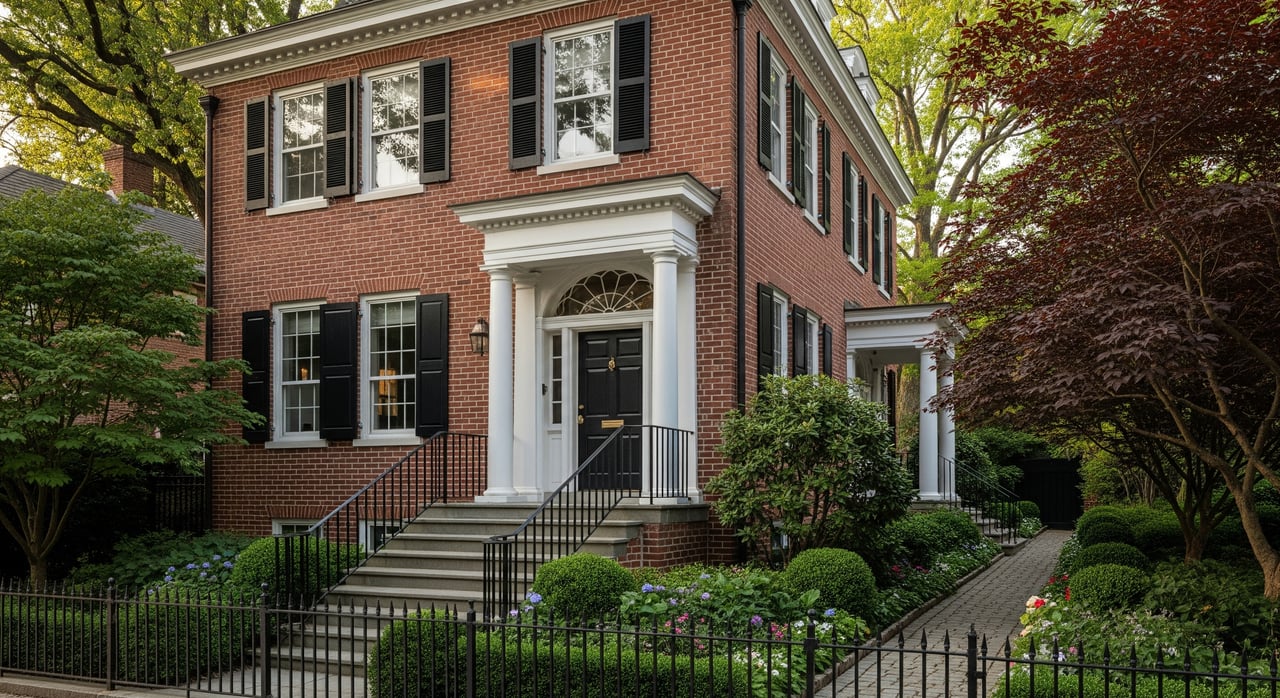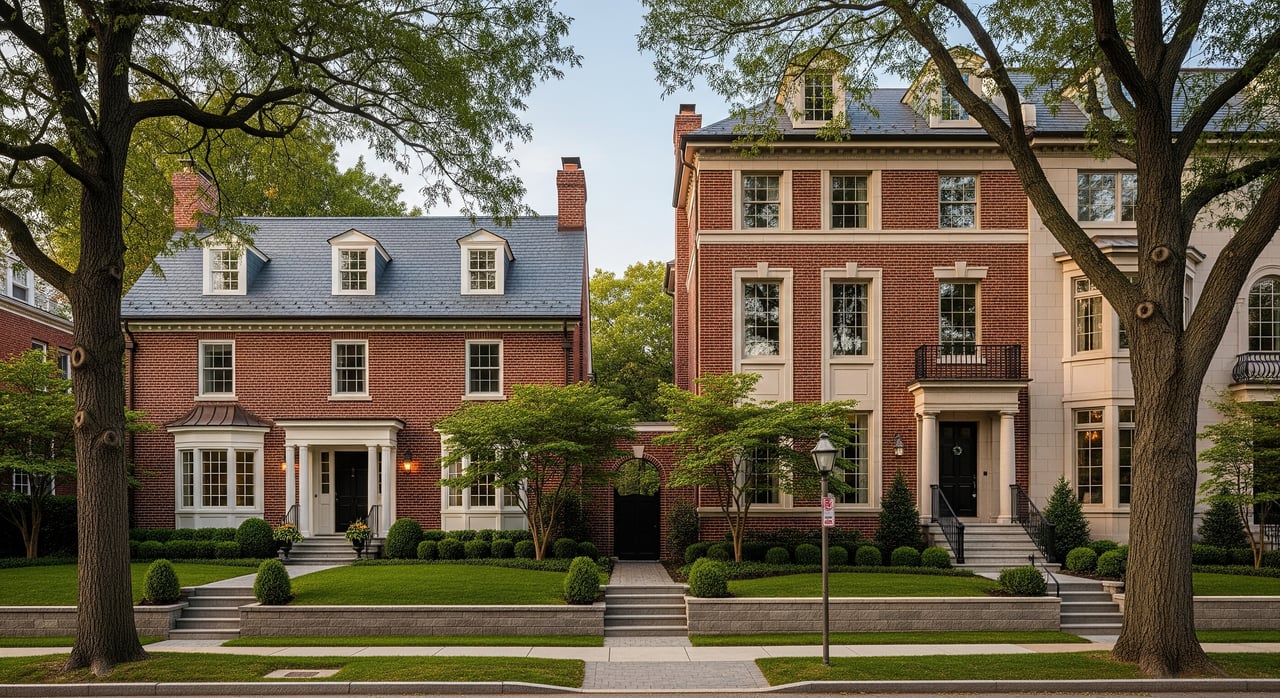
Thinking about a classic D.C. rowhouse or an easy-living condo, but not sure which suits your day-to-day life? You are not alone. Buyers across the District often balance space, maintenance, rules, and budget before they decide. This guide breaks down the lifestyle tradeoffs, neighborhood context, costs, financing, and rules so you can choose with confidence. Let’s dive in.
Quick take: top tradeoffs
- Space vs convenience: Rowhouses often give you more private space and outdoor areas. Condos trade that for building amenities and low-maintenance living.
- Autonomy vs community rules: Rowhouses offer more freedom to renovate. Condos reduce exterior upkeep but add HOA rules, fees, and possible special assessments.
- Hands-on care vs lock-and-leave: Rowhouses require you to manage roofs, systems, and yards. Condos centralize building care through the HOA.
How ownership works
Rowhouse (fee-simple)
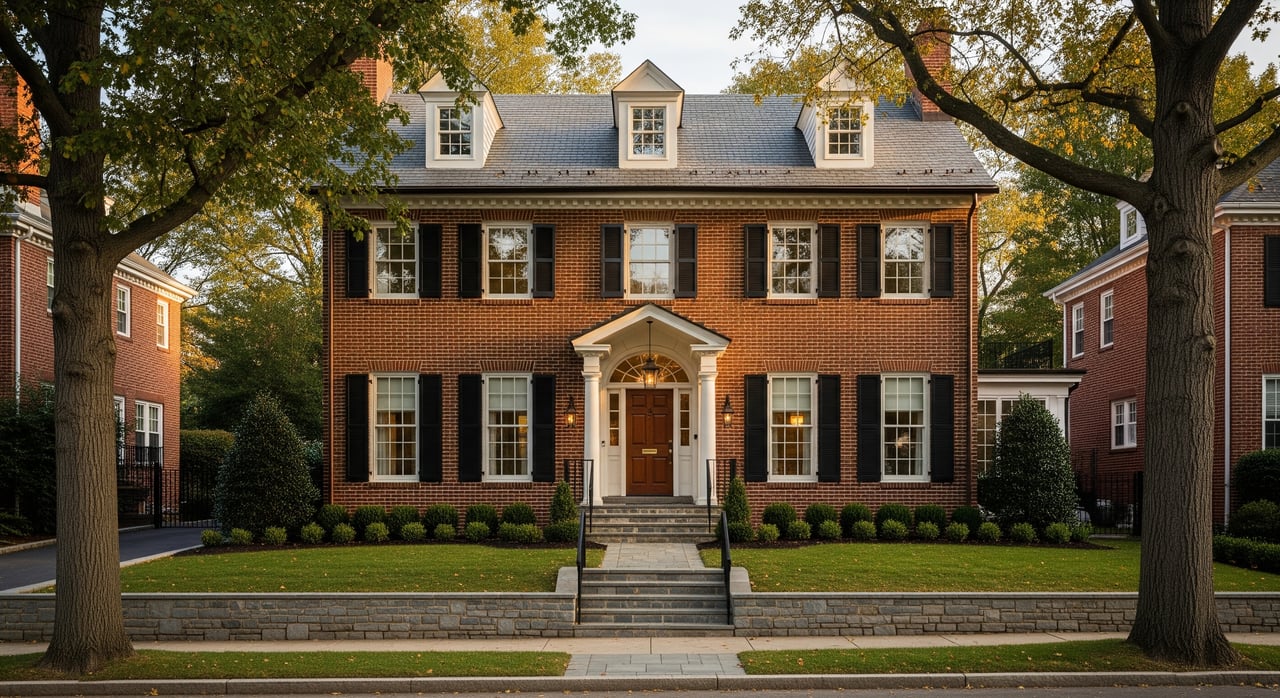
You typically own the home and the land. You handle the exterior, roof, systems, and any yard or alley parking. If you plan updates, you usually set the timeline and scope, subject to permits and any historic-district rules in your area.
Condo (HOA-based)
You own the interior of your unit. The HOA maintains the exterior, structure, and common elements like lobbies, roofs, and amenity spaces. Monthly fees fund operations, insurance for common areas, and reserves. Renovations inside your unit often need board approval and must follow building rules.
Space, privacy, and amenities
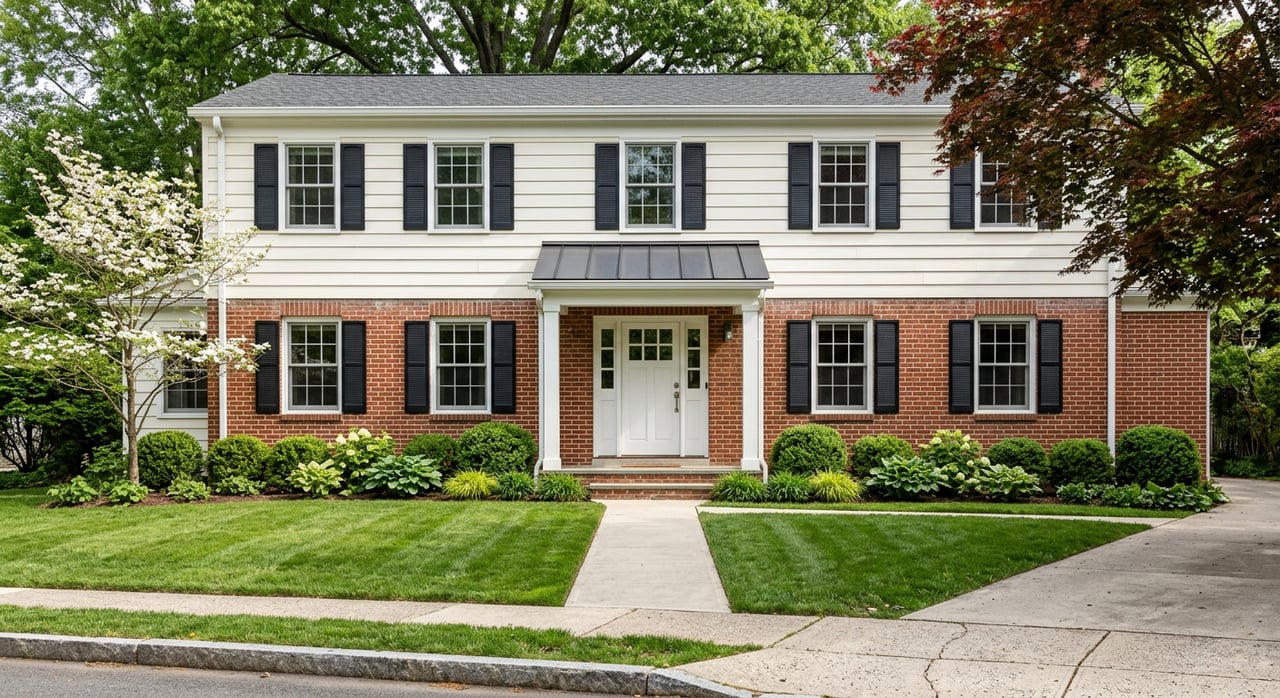
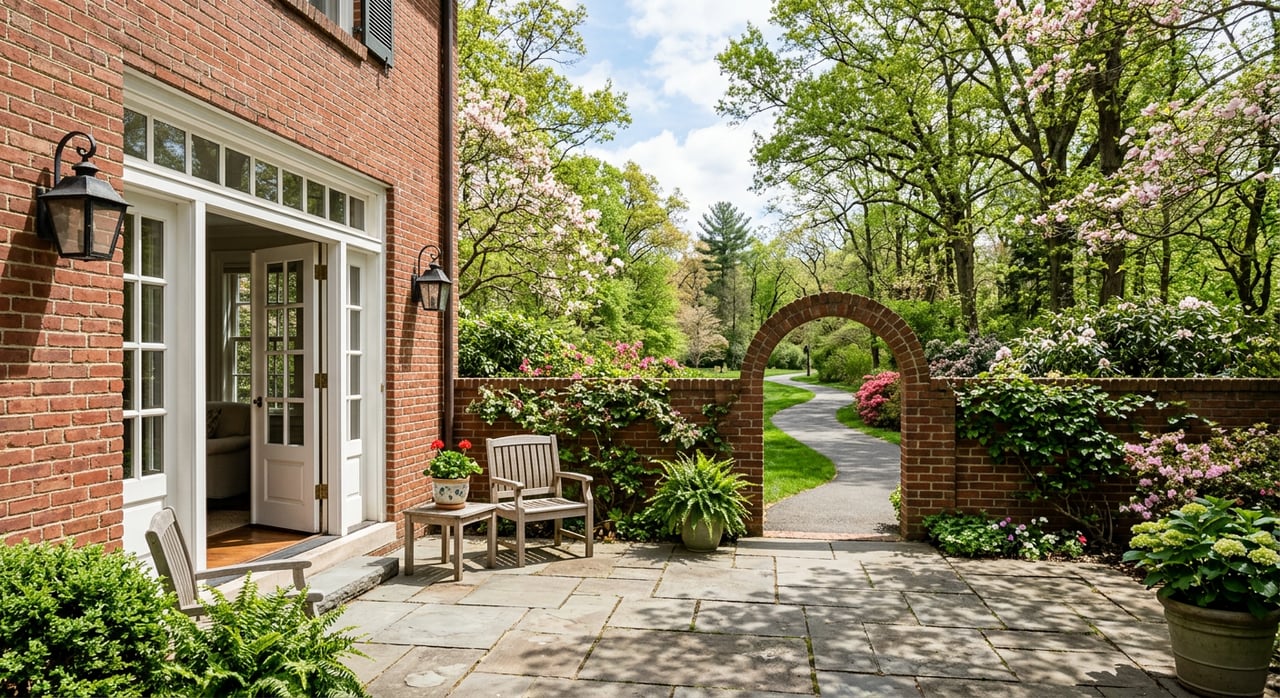
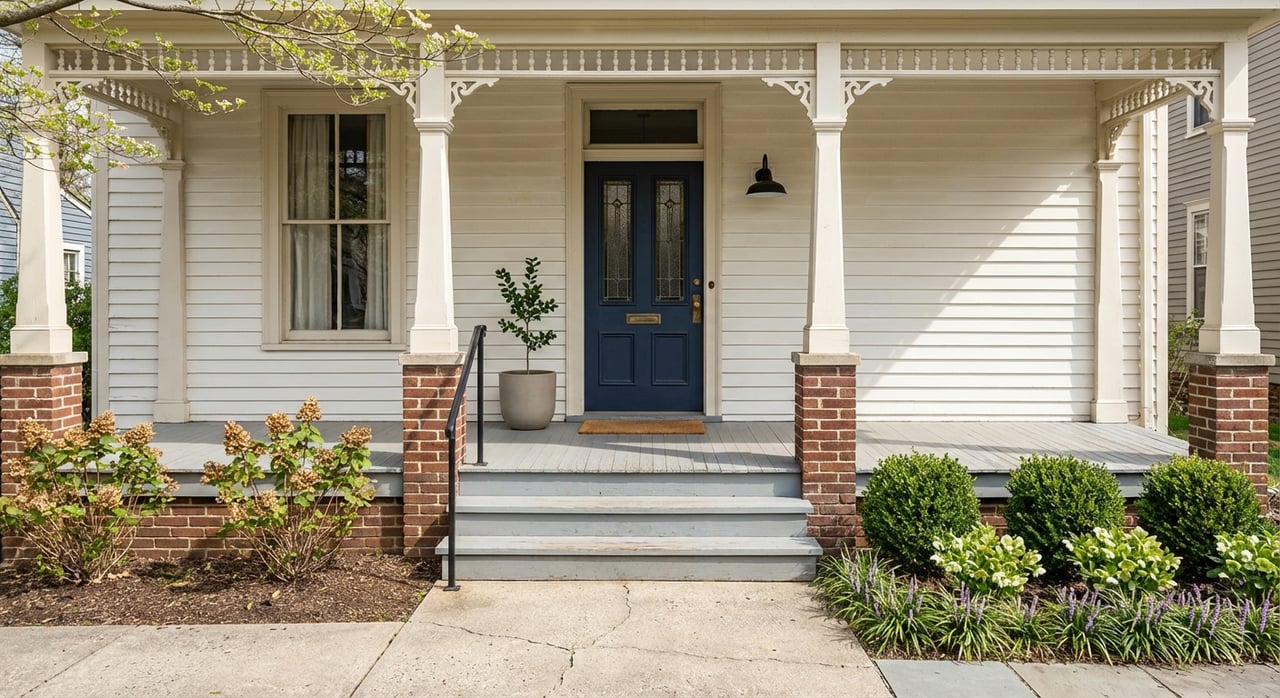
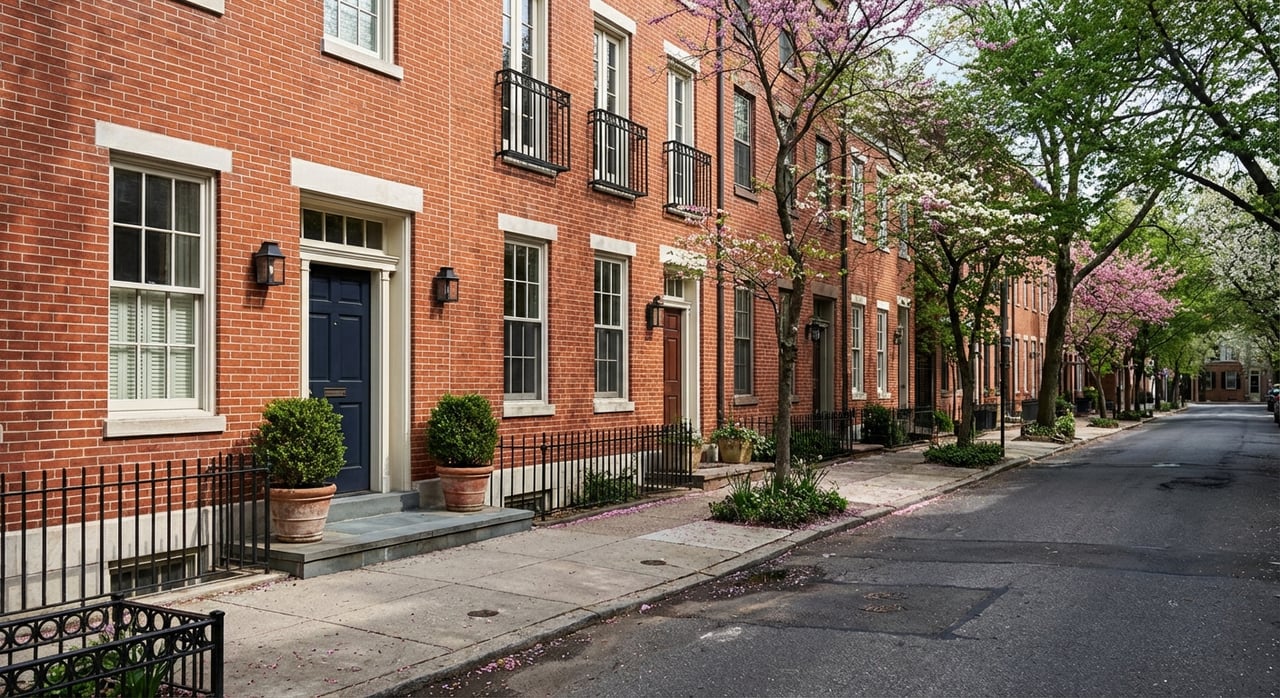
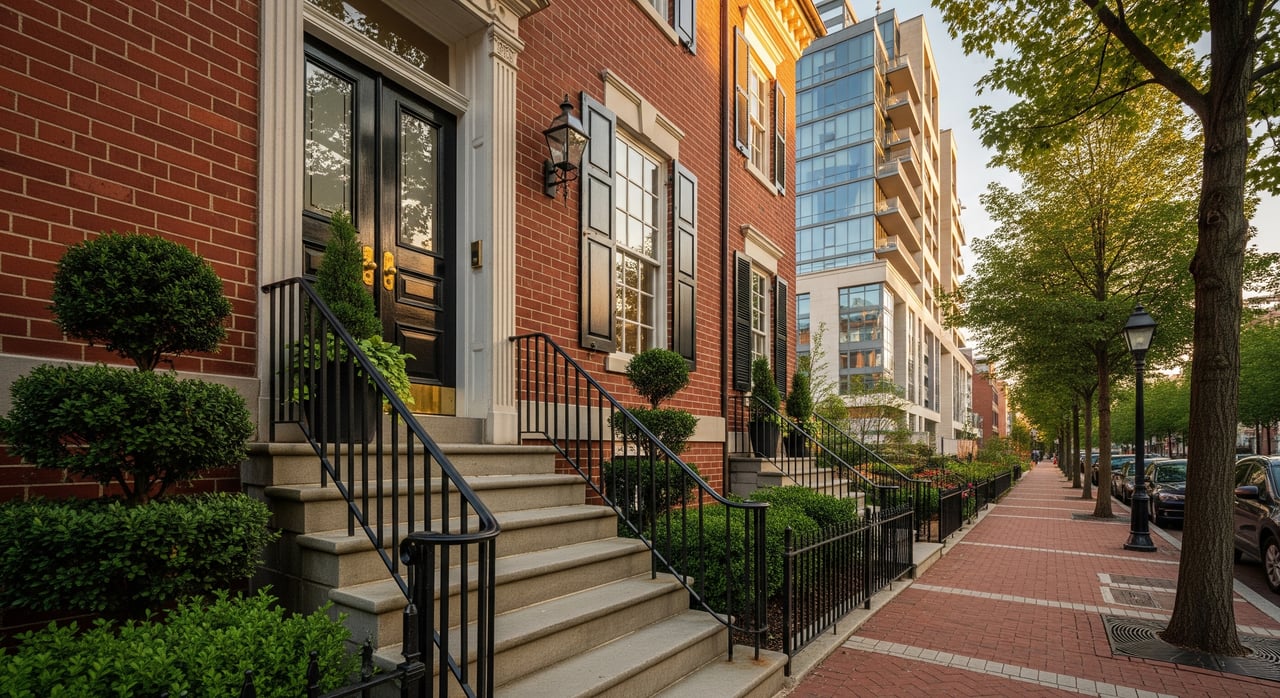
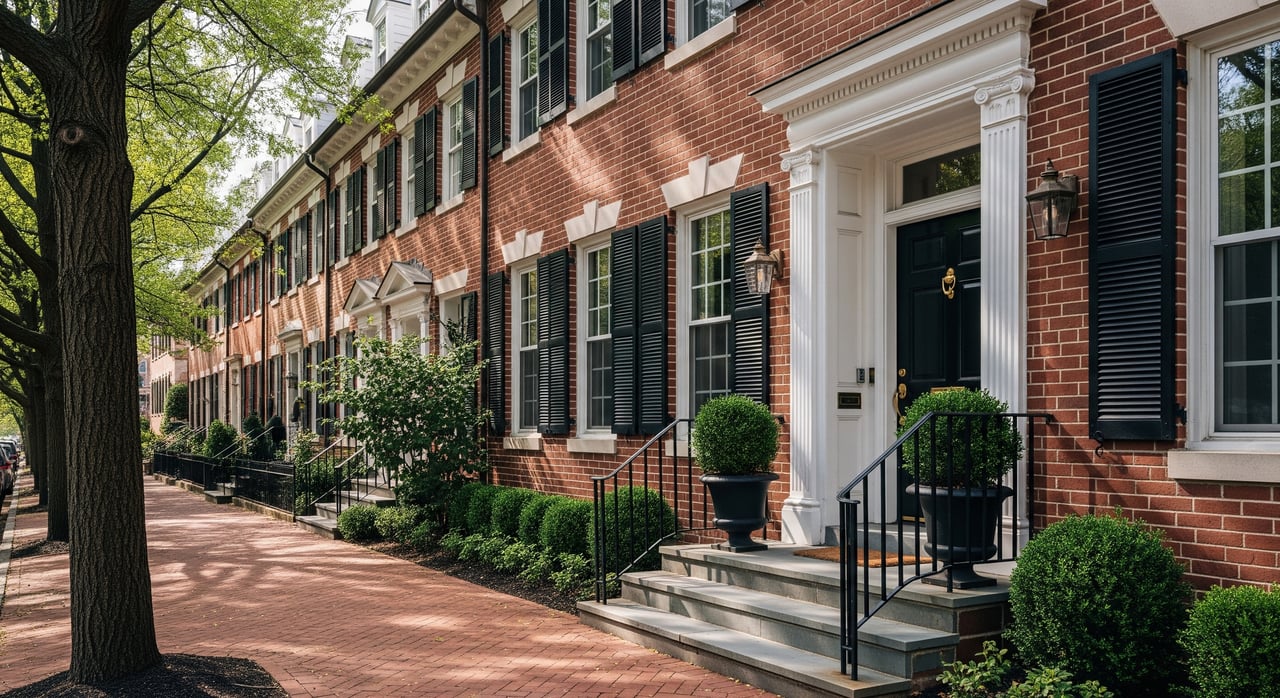
Rowhouses commonly offer multiple levels, basements, and direct street access. Many include a stoop or small yard that supports gardening, grilling, or a pet. You share side walls but have fewer neighbors overall.
Condos favor efficient footprints and elevators, often with gyms, roof decks, or front-desk services. You will share hallways and amenities with more residents. If you value convenience features and minimal exterior upkeep, a condo can be a strong fit.
Money comparison checklist
Use this list to compare a rowhouse and a condo in the same neighborhood.
- Purchase price: Land value, building age, and location near transit or job centers drive prices. Rowhouses in historic districts and new-build condos in high-demand areas both command premiums.
- HOA fees (condos): Cover exterior maintenance, master insurance for common areas, reserves, and amenities. Fees vary by building and can rise over time. Ask about reserve studies and any planned special assessments.
- Property taxes: Both pay D.C. property taxes based on assessed value. Review current rules and homestead deductions through the District’s Office of Tax and Revenue for specifics at the Office of Tax and Revenue.
- Insurance: Rowhouses generally need a full homeowners policy (often HO-3) covering the structure and land. Condos typically use an HO-6 policy for walls-in coverage, with the HOA’s master policy covering shared elements.
- Utilities: Some condo fees include gas, water, hot water, or cable. Rowhouse owners pay utilities directly. Compare what is included to get an accurate monthly picture.
- Maintenance and reserves: Rowhouses require budgeting for roof, systems, and exterior upkeep. Condos shift those costs into HOA fees and reserves, but special assessments can occur.
Financing differences
Condo loans can involve extra steps. Lenders review the building’s insurance, reserves, owner-occupancy rates, and litigation status. Government-backed loans may require specific project approvals. Check current program guidance at HUD for FHA policies via HUD, and at the VA for condo eligibility on the VA’s condominium requirements page.
Conventional loans also follow project standards. See current condo project criteria from Fannie Mae. Many lenders also underwrite using Freddie Mac’s guidelines; your loan officer can confirm which program fits your situation.
Rowhouses are typically underwritten like single-family homes and may be more straightforward to finance because there is no building-level review.
Regulations and permits in D.C.
Zoning and use
Zoning influences lot coverage, permitted uses, and conversions. Before adding a unit or expanding, review maps and regulations with the D.C. Office of Zoning at the D.C. Office of Zoning.
Historic district review
Many classic rowhouse blocks sit inside historic districts. Exterior changes may require review by the D.C. Historic Preservation Office and the Historic Preservation Review Board. Start with guidance at the Historic Preservation Office.
Building permits and board approvals
Substantial interior or structural work requires permits, and condo projects also need board approval. For timelines and licensing, begin with the D.C. Department of Consumer and Regulatory Affairs at DCRA.
Short-term rentals and leasing rules
D.C. regulates short-term rentals and requires registration and tax compliance. Condo bylaws may also limit or prohibit them. Review city requirements at DCRA and your HOA’s leasing policies.
Parking and street permits
Many neighborhoods use Residential Parking Permit zones. If you rely on street parking, confirm eligibility and rules through the District Department of Transportation at the DDOT.
Flood zones
While most D.C. neighborhoods are not in high-risk zones, always confirm before you buy. You can review property-specific flood maps using FEMA’s Flood Map Service Center.
Neighborhood snapshots
- Rowhouse strongholds: Capitol Hill, Logan Circle, Shaw, Bloomingdale, Eckington, and parts of Petworth feature many attached homes with historic character. Expect a traditional streetscape and varied renovation levels, with some homes offering basements or small yards.
- Condo hubs: Navy Yard, NoMa, Downtown/Penn Quarter, and Mount Vernon Triangle include larger condo buildings with elevators, amenity packages, and proximity to major employers and transit corridors.
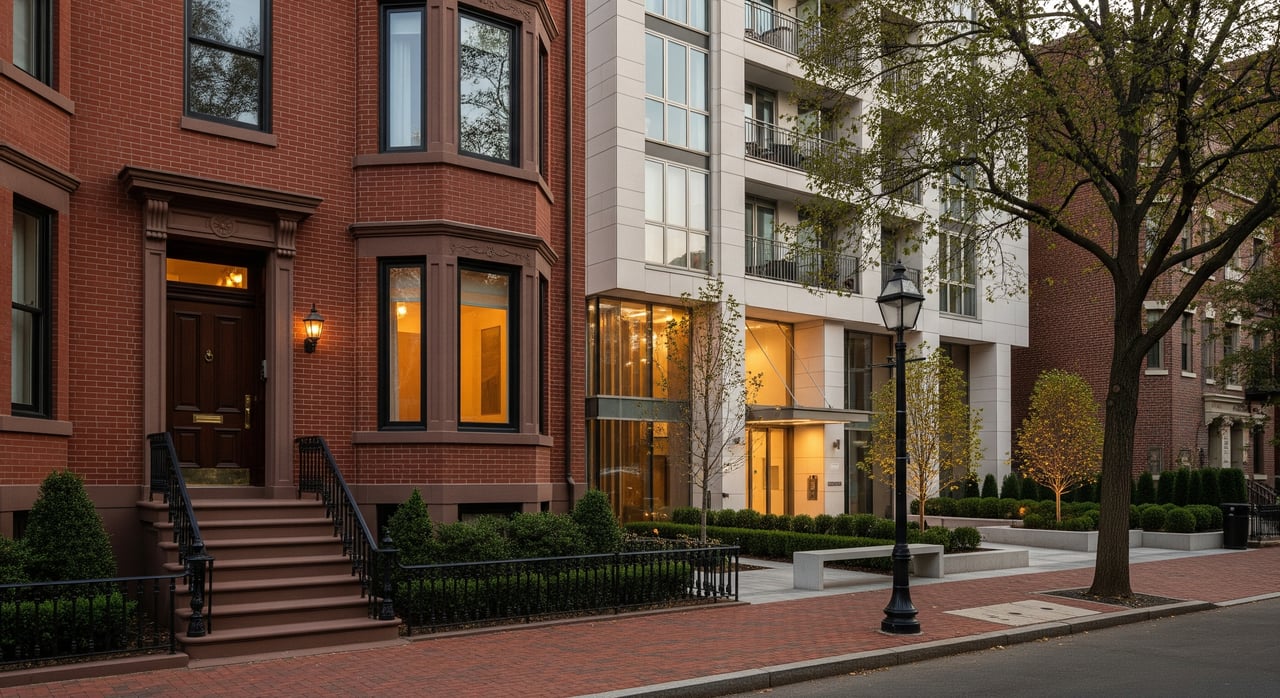
- Mixed areas: Columbia Heights, the U Street corridor, and H Street NE offer both options. Your choice often comes down to space needs, maintenance preferences, and budget.
For current inventory, pricing, and time-on-market trends by property type, your agent can pull detailed data from the region’s multiple listing service, Bright MLS.
Which fits your lifestyle
- First-time buyer: If you want an entry into a central neighborhood with manageable upkeep, a condo can be a solid starting point. If you need room to grow or value outdoor space, a smaller rowhouse may be worth the hands-on care.
- Busy professional: If you travel often or want a lock-and-leave setup, a condo’s amenities and reduced maintenance may be ideal. If you prefer privacy and control over renovations, consider a rowhouse.
- Downsizer: If elevator access, one-level living, and services matter more than a yard, a condo can simplify your routine. If character, private space, and autonomy are priorities, a turnkey rowhouse can deliver that without major projects.
- Investor: If the HOA allows rentals without caps, a condo can be straightforward to lease. A rowhouse with a legal accessory unit can boost rental income potential, but expect more active management and licensing steps.
Smart showing checklist
For condos
- Review HOA bylaws, budget, reserve study, and any pending or recent special assessments.
- Ask what utilities and services are included in the fee and how fees have trended.
- Confirm rental, pet, move-in, and renovation policies and any insurance requirements.
- If using FHA, VA, or low down payment conventional loans, verify project approval status.
For rowhouses
- Ask about age and condition of roof, HVAC, plumbing, and electrical. Confirm permits for major work.
- If in a historic district, request any prior approvals or guidance for future changes.
- Evaluate drainage, foundation, and potential environmental issues common in older homes.
- Confirm parking setup and your eligibility for Residential Parking Permits.
How we can help
You do not have to navigate these tradeoffs alone. We help you weigh space, rules, and costs against your day-to-day needs, then line up the right financing path and due diligence. From reviewing HOA documents to planning pre-move updates, our boutique, people-first approach keeps the process clear and calm.
If you are torn between a rowhouse and a condo, let’s talk through your options with neighborhood-specific data and a step-by-step plan. Reach out to Marlene Aisenberg to schedule a friendly, no-pressure consult.
FAQs
What costs differ between a D.C. rowhouse and a condo?
- Rowhouses avoid HOA fees but need a full homeowners policy and a maintenance budget for roofs, systems, and exteriors. Condos pay HOA fees that cover building care and a master policy, while unit owners carry HO-6 insurance. Both pay D.C. property taxes based on assessed value.
Can you use FHA or VA loans for D.C. condos?
- Yes, but the condo project must meet program rules. FHA and VA maintain guidance and approval criteria that your lender will check during underwriting.
Do historic district rules affect rowhouse renovations in D.C.?
- Yes. Exterior changes in historic districts typically require design review and permits before you start work. Plan extra time for approvals.
How do parking permits work for D.C. condo or rowhouse owners?
- Many neighborhoods use Residential Parking Permit zones. Eligibility, fees, and guest passes vary by address and must be confirmed before relying on street parking.
Are short-term rentals allowed in D.C. condos?
- D.C. requires hosts to register and comply with tax and licensing rules, and some HOAs restrict or prohibit short-term rentals. Always verify both city rules and building bylaws.
Where can you check flood risk for a D.C. property?
- Use FEMA’s Flood Map Service Center to review the property’s flood zone and talk with your insurer and lender about any insurance requirements.