Love the charm of a Kensington Victorian but unsure how to update a porch or swap a window without risking a permit snag or losing original character? You’re not alone. Many homeowners want comfort and efficiency while staying true to what makes these homes special. In this guide, you’ll learn how to plan porch and window projects that pass review, respect the architecture, and make financial sense. Let’s dive in.
What defines Kensington Victorians
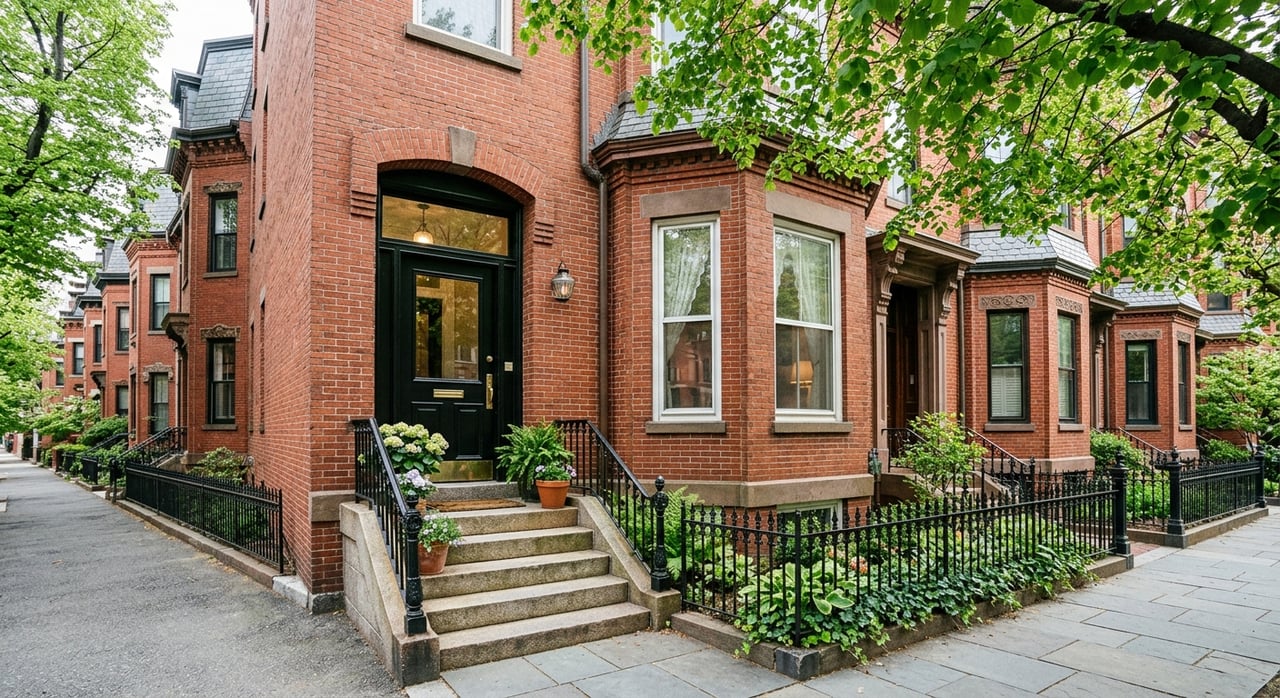
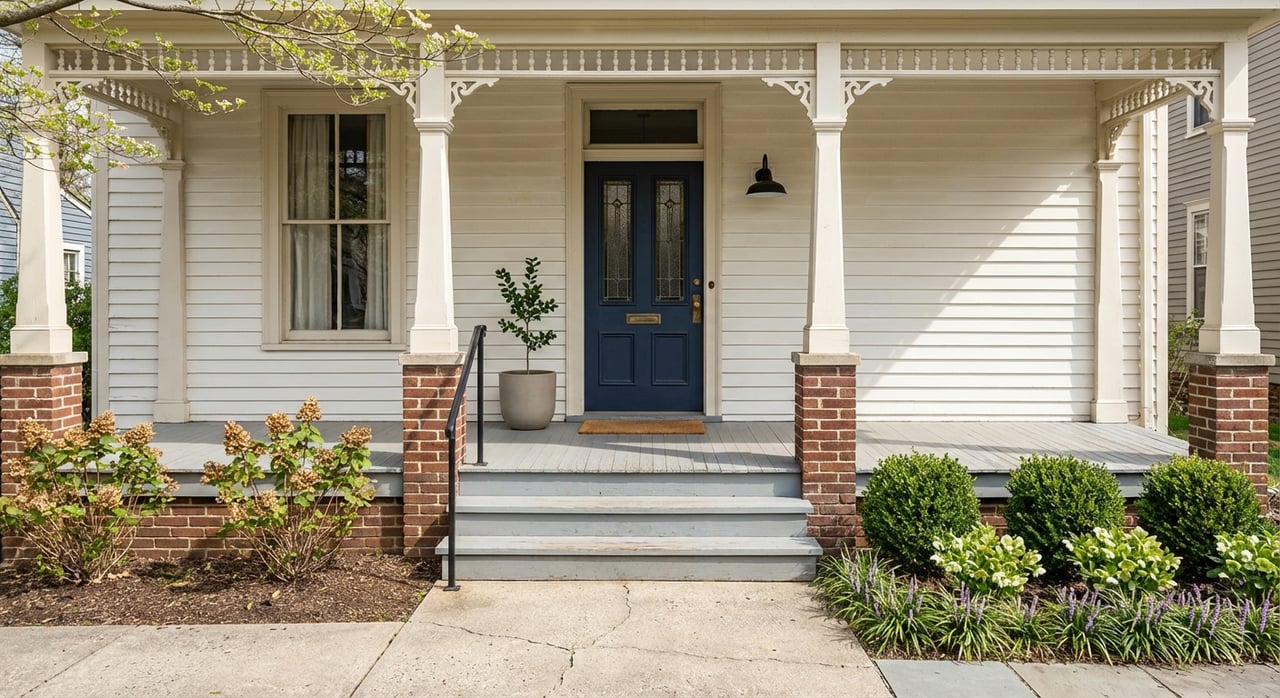
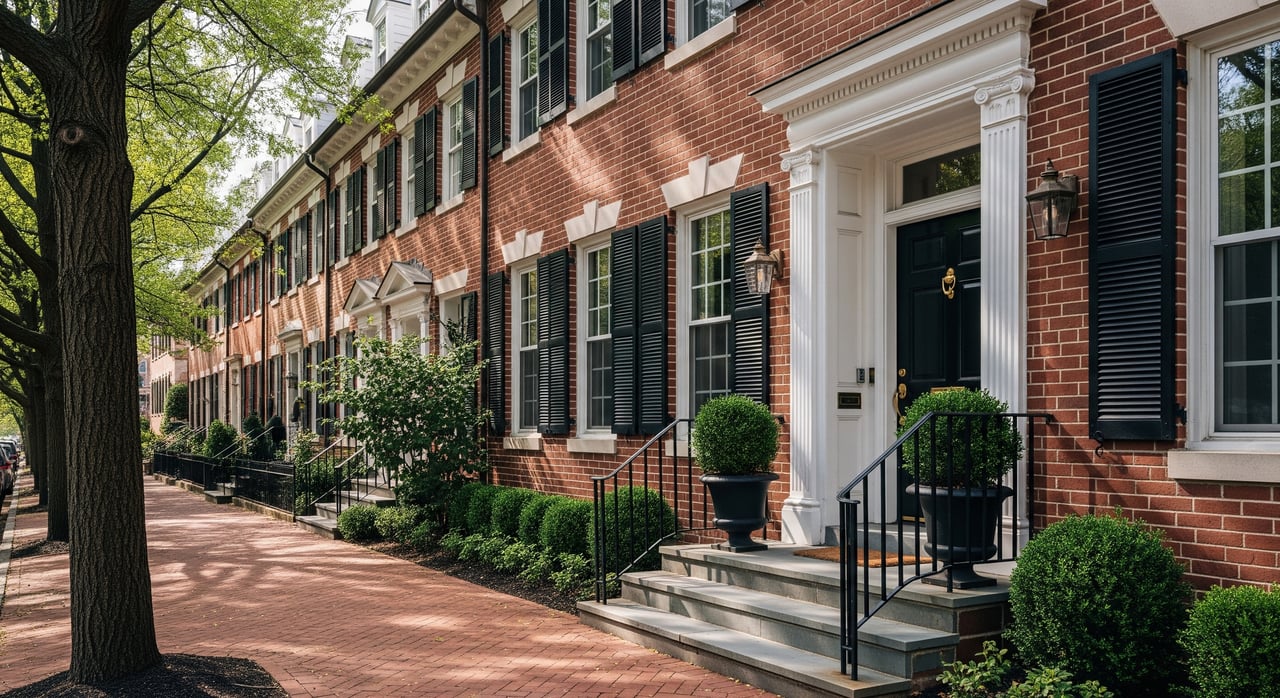
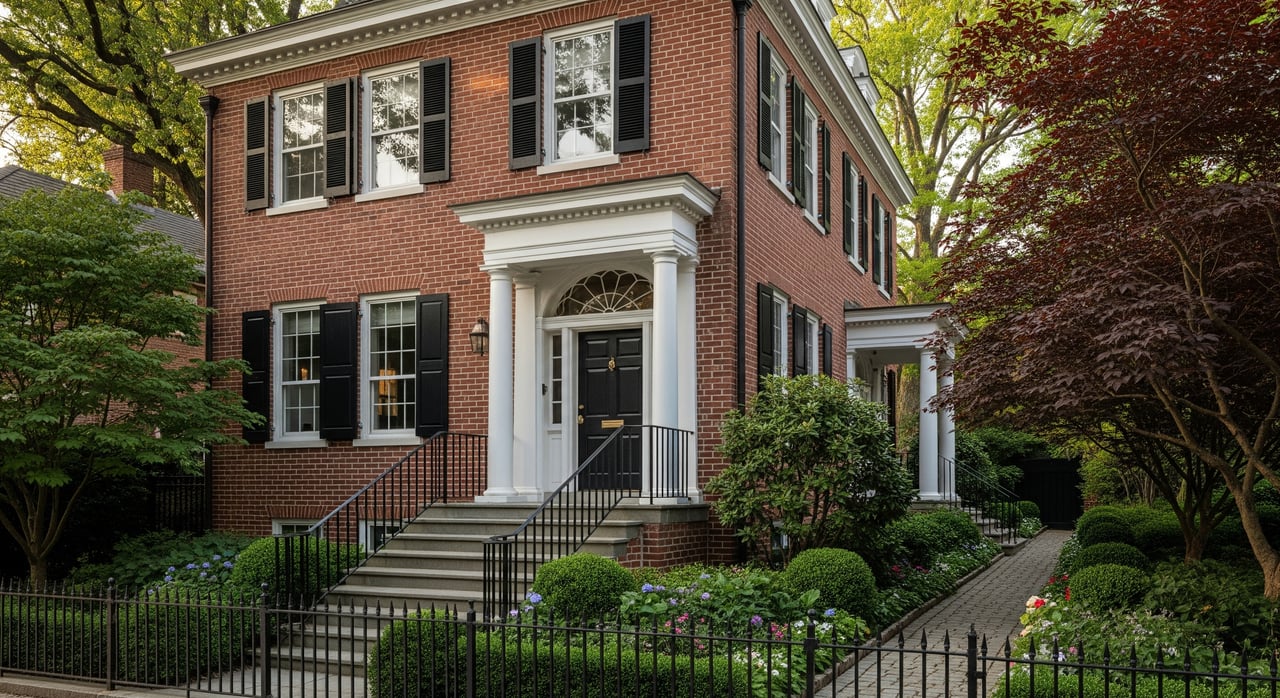
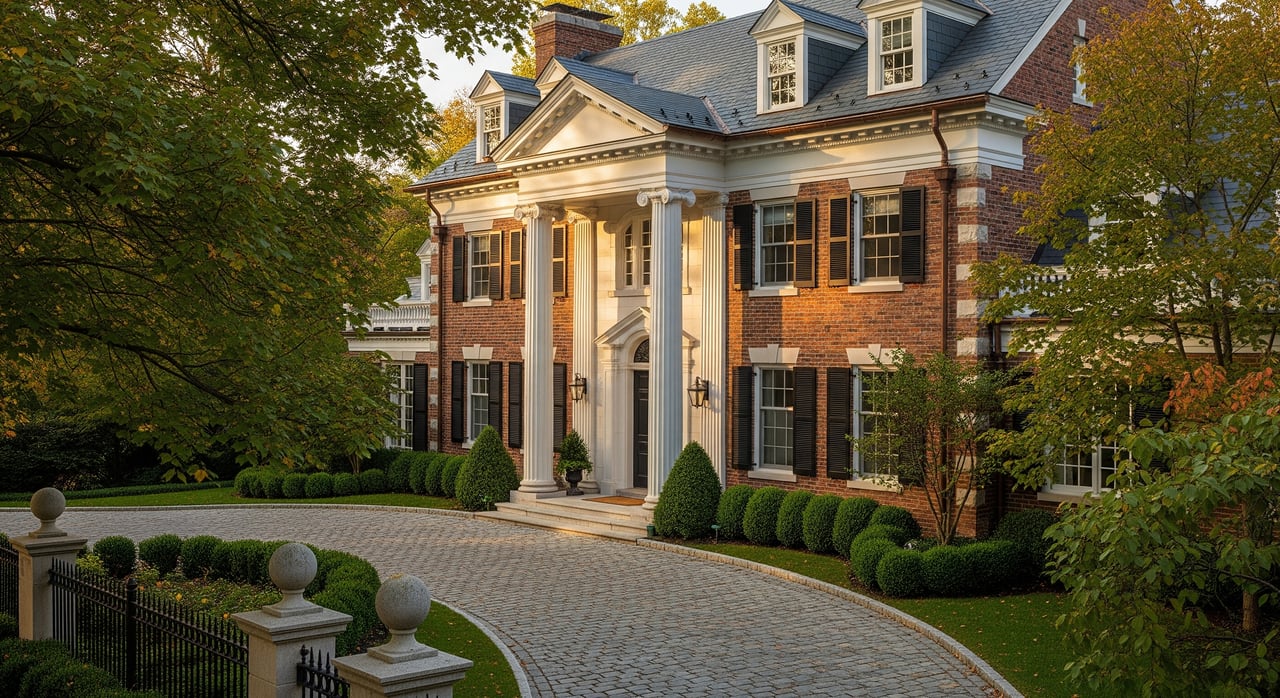
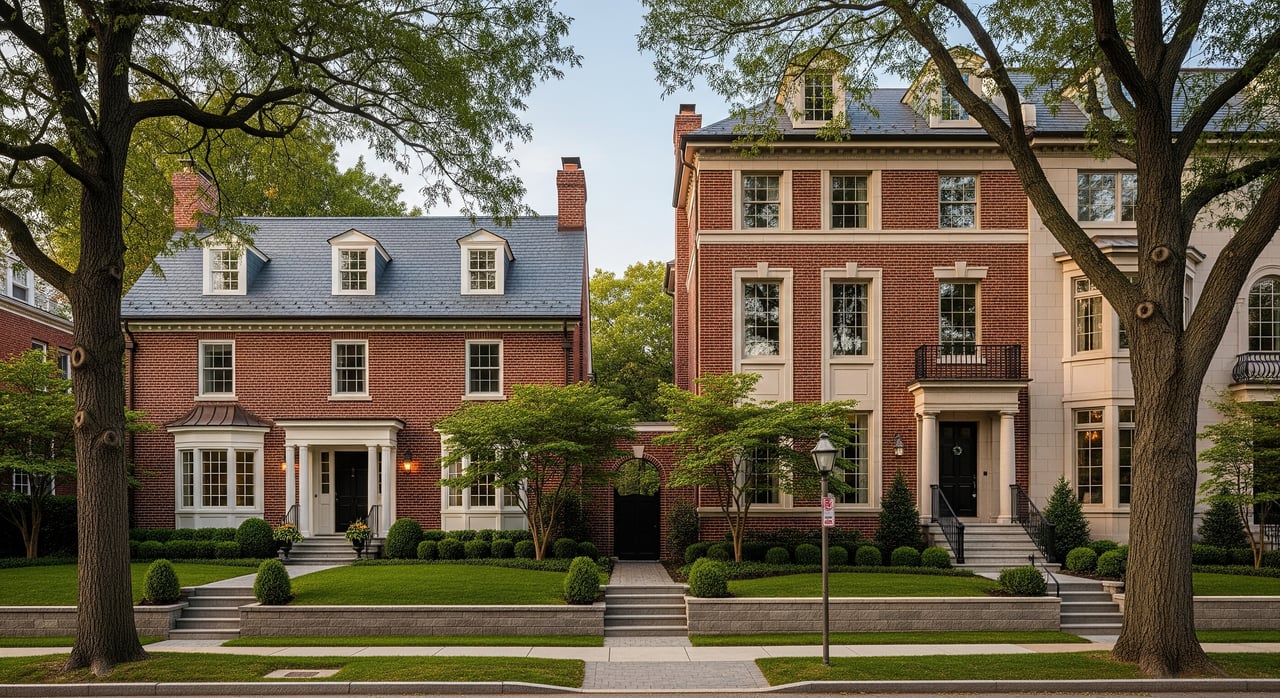
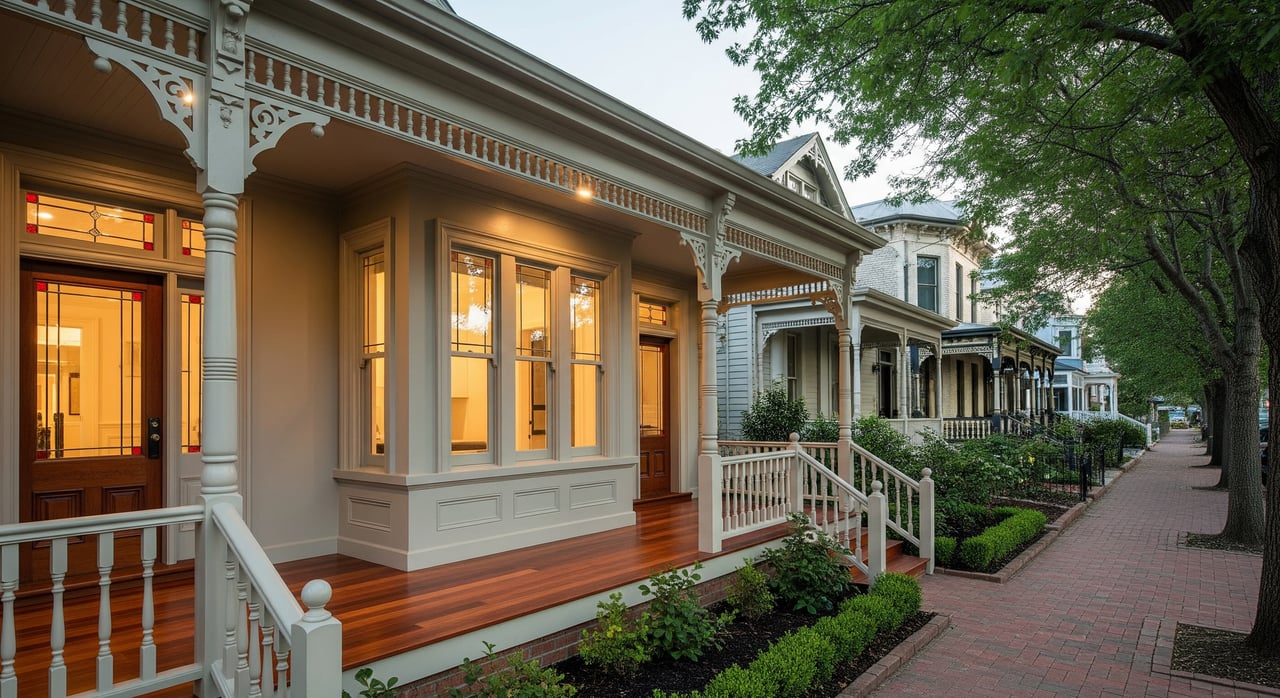
Victorians in central Kensington are part of a locally protected historic fabric, with wraparound porches, turned columns, decorative trim, and wood sash windows that create the neighborhood’s look and feel. Those features are often considered character defining and are reviewed closely during permitting. Choosing a repair-first approach and matching original profiles and materials will keep your project on the right track.
Permits and approvals you need
If your home is locally designated, most exterior porch and window changes require a Historic Area Work Permit, or HAWP, before applying for any building permit. Start with the county’s overview of Historic Area Work Permits. For timing, submittals and what to include, follow the step-by-step HAWP guide.
- Plan a staff consult early. Preservation staff can preview your scope and flag design or documentation needs.
- Coordinate town requirements. The Town of Kensington may have procedures or advisory review, so check in early.
- Expect building permits for structural porch work and any changes to window openings after HAWP approval.
Repair or replace: how reviewers decide
Preservation standards prioritize repair and retention of original features. The National Park Service advises repairing historic windows and porches whenever feasible, and only replacing when elements are too deteriorated to save. If you replace, reviewers look for in-kind matches in design, material, and profile. See the NPS guidance on repairing historic windows for examples.
- Repairs in kind and reversible upgrades are usually the smoothest path.
- Replacement that alters the look, dimensions, or openness of a porch, or changes window configurations, is often conditioned or denied.
Porch projects: what to prioritize
Structure and moisture control
Kensington’s hot summers and year-round precipitation mean moisture management is critical. Focus on proper flashing, sloped porch floors, and clear gutters and downspouts to keep water away from the house and joists. If you rebuild, be ready to upgrade footings to meet current codes during permitting.
Materials that pass review
- Use wood for visible elements. Columns, balusters, and decorative trim should match original profiles and species where possible.
- Pressure-treated lumber is common for hidden framing.
- Composites or PVC may be considered where appearance closely matches original, but visible differences can draw pushback in review.
Enclosures and screening
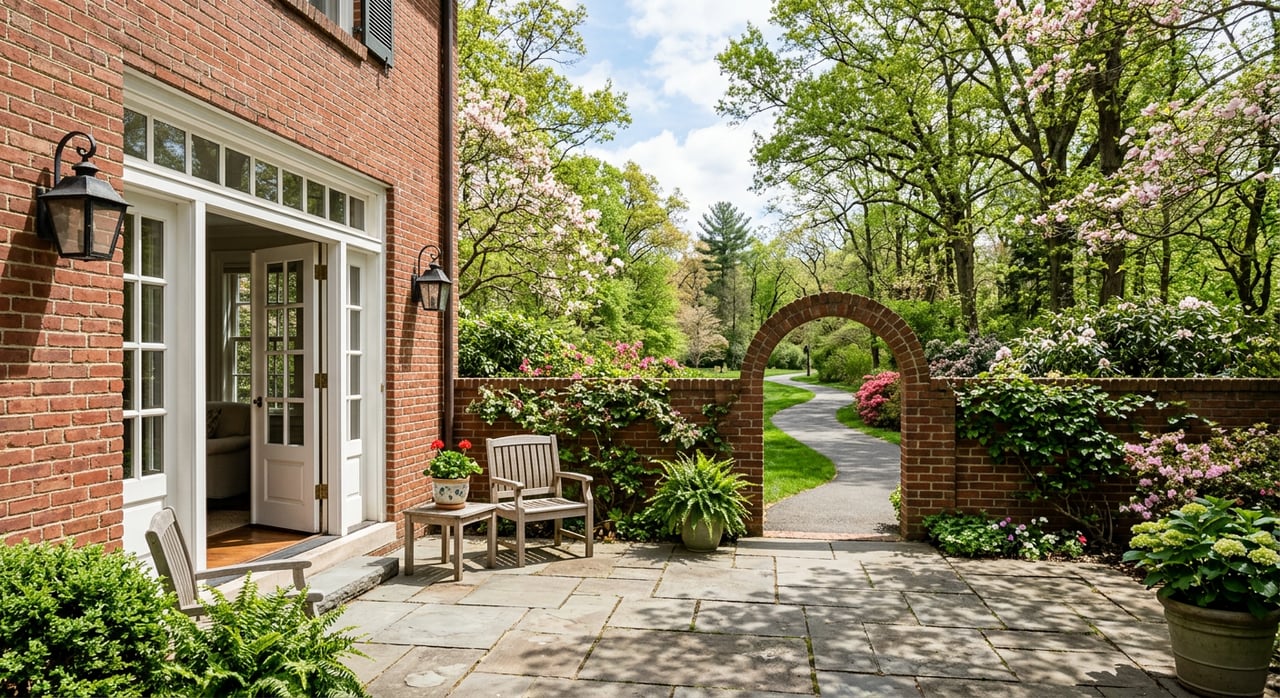
Enclosing a historic porch can reduce openness and alter the façade. If you propose screens or glass, keep the enclosure behind original columns and rails, and make it reversible and as transparent as possible.
Windows: upgrades that respect character
Start with repair
Often, historic double-hung windows respond well to sash repairs, reglazing, weather-stripping, balancing, and repainting. This retains original glass and profiles while improving operation and comfort.
Add storm windows or inserts
Modern low-E exterior storms or interior inserts can deliver energy performance close to replacements at a lower cost and with minimal visual change. Building America recognizes the benefits of low-E storm windows.
When replacement is warranted
If wood rot or failure is too extensive, document conditions and propose high-quality units that match pane patterns, muntin profiles, and frame depth. In-kind materials are often required for local tax credit eligibility.
Health and safety in pre-1978 homes
If your home predates 1978, assume lead paint is present on windows, porch trim, and railings. The EPA’s RRP Rule requires certified firms and lead-safe practices for any work that disturbs paint, including window removal and paint stripping. Learn more about the EPA RRP requirements. If you suspect asbestos in adhesives or insulation, have a professional test before work begins.
Tax credits and incentives
Two programs may help offset costs if your property is locally designated and work is approved.
- Montgomery County Historic Preservation Tax Credit. A credit equal to 25 percent of eligible exterior rehabilitation expenses with a HAWP. See county details on the historic preservation tax credit.
- Maryland state historic rehabilitation credit. The state program can provide 20 percent for qualified projects and requires advance coordination. See the county’s overview of historic tax credit programs.
Keep detailed before-and-after photos, invoices, and approval letters to support your application.
Budget signals and ROI
Every home is different, but these ranges can help you plan and compare bids.
- Porch work: minor repairs can be a few hundred to a few thousand dollars. Full rebuilds with custom millwork often run 12,000 to 45,000 plus. See typical drivers in this porch renovation cost overview.
- Window work: professional restoration commonly ranges from about 200 to 1,200 per window, with full shop restoration higher. See benchmarks in this window restoration cost guide.
Energy improvements from repair plus storms can be cost effective and preserve value. Window replacement often has a longer payback, so weigh performance gains against historic character and resale goals.
A step-by-step plan
- Confirm designation. If your property is locally designated, plan for a HAWP. Start with the county’s HAWP overview.
- Document existing conditions. Take clear photos and measure profiles for windows and porch components.
- Meet preservation staff. Use the HAWP step-by-step guide to clarify submittal requirements.
- Order assessments. Test for lead, evaluate structure and footings, and check for hidden moisture issues.
- Set scope and strategy. Prioritize repair-first solutions and add storms or interior inserts for efficiency.
- Select experienced contractors. Require EPA RRP certification for any paint disturbance and insist on preservation-friendly methods in the contract.
- Apply for credits. Organize HAWP approvals, photos, and invoices for county and state tax credit filings.
- Keep records for resale. Save approvals, warranties, and proof of lead-safe practices to share with future buyers.
Buying or selling a Kensington Victorian
If you plan to sell, document approved porch or window work, energy upgrades, and tax credit approvals in your listing materials. Buyers value well-maintained original features when they come with clear documentation and care. If you are buying, budget for preservation-minded repairs rather than full replacements and confirm designation status early in your inspection period.
Ready to plan your project?
You can modernize comfort while honoring your home’s character. If you are weighing repair versus replacement, permits, and resale timing, we are here to help you think it through. For a calm, local plan that aligns with your goals, connect with Marlene Aisenberg.
FAQs
Do you need approval to replace a porch or windows in Kensington?
- If your home is locally designated, most exterior changes, including porch work and window replacements or changes to openings, require a HAWP before building permits. Start with the county’s HAWP overview.
What is the preferred approach for historic windows?
- Preservation standards favor repair first, including sash repair, weather-stripping, and storms, with replacement only when units are beyond repair and then matching original design. See the NPS guidance on historic windows.
Are low-maintenance materials allowed on porches?
- Sometimes. Reviewers often expect original materials or in-kind replacements for visible elements, and may deny substitutes that visibly change character. Ask staff before you propose composites or PVC.
How can you improve efficiency without replacing windows?
- Add low-E exterior storms or interior inserts and air sealing. These reversible upgrades can approach the performance of new units with less impact. Learn more about low-E storm windows.
What safety rules apply to pre-1978 homes?
- Contractors disturbing painted surfaces must comply with the EPA’s RRP Rule, which requires certified firms and lead-safe work practices. See the EPA RRP requirements.
Are there financial incentives for porch and window projects?
- Yes. Montgomery County offers a 25 percent historic preservation tax credit for eligible exterior work with a HAWP, and Maryland offers a state credit for qualified projects. Start with the county’s tax credit page.