Trying to choose between new construction and an older home in Silver Spring? You are not alone. This is one of the most common tradeoffs buyers face here, especially in a market where home styles, price points, and ownership costs can vary a lot from one property to the next. If you are weighing convenience, character, yard space, commute, and monthly costs, this guide will help you compare the options more clearly. Let’s dive in.
Silver Spring Housing Snapshot
Silver Spring remains a fairly active market. As of February 2026, the median sale price was $680,000, homes sold in about 47 days, and properties received about 4 offers on average, according to Redfin’s Silver Spring housing market data.
That matters because your choice between a new home and an older one is not just about style. It is also about what is actually available in Silver Spring, how quickly homes move, and what kind of ownership costs you can expect over time.
New Construction in Silver Spring
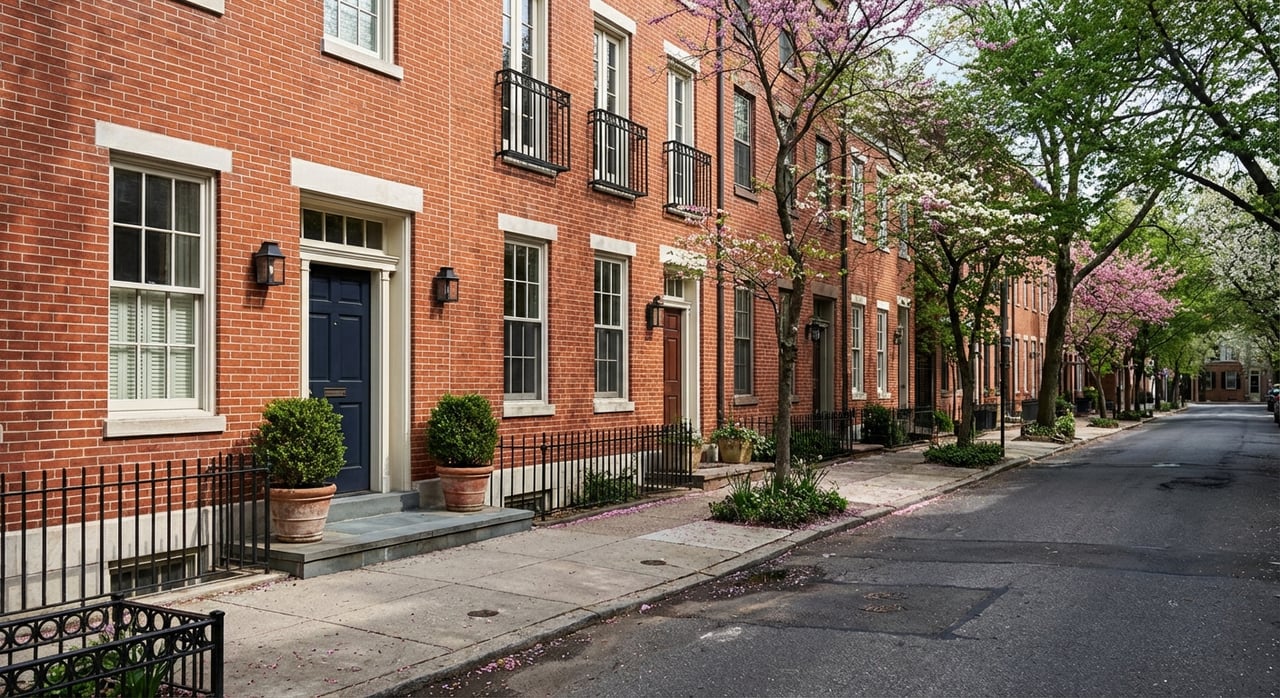
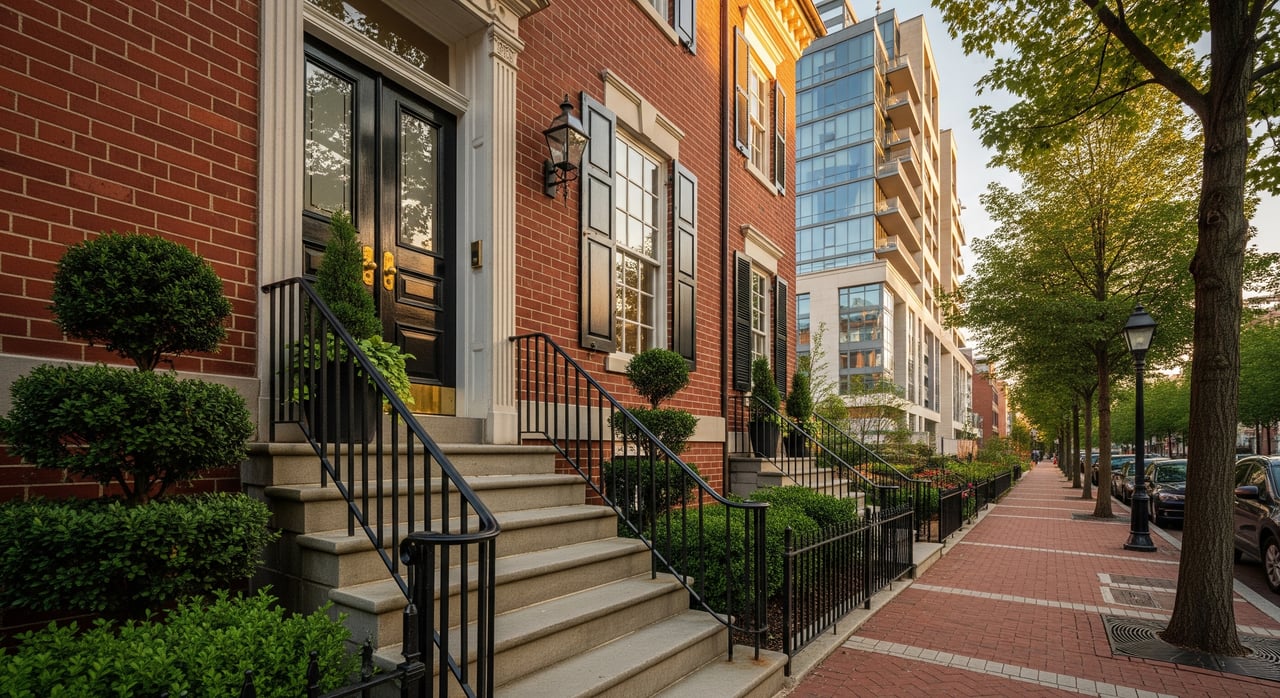
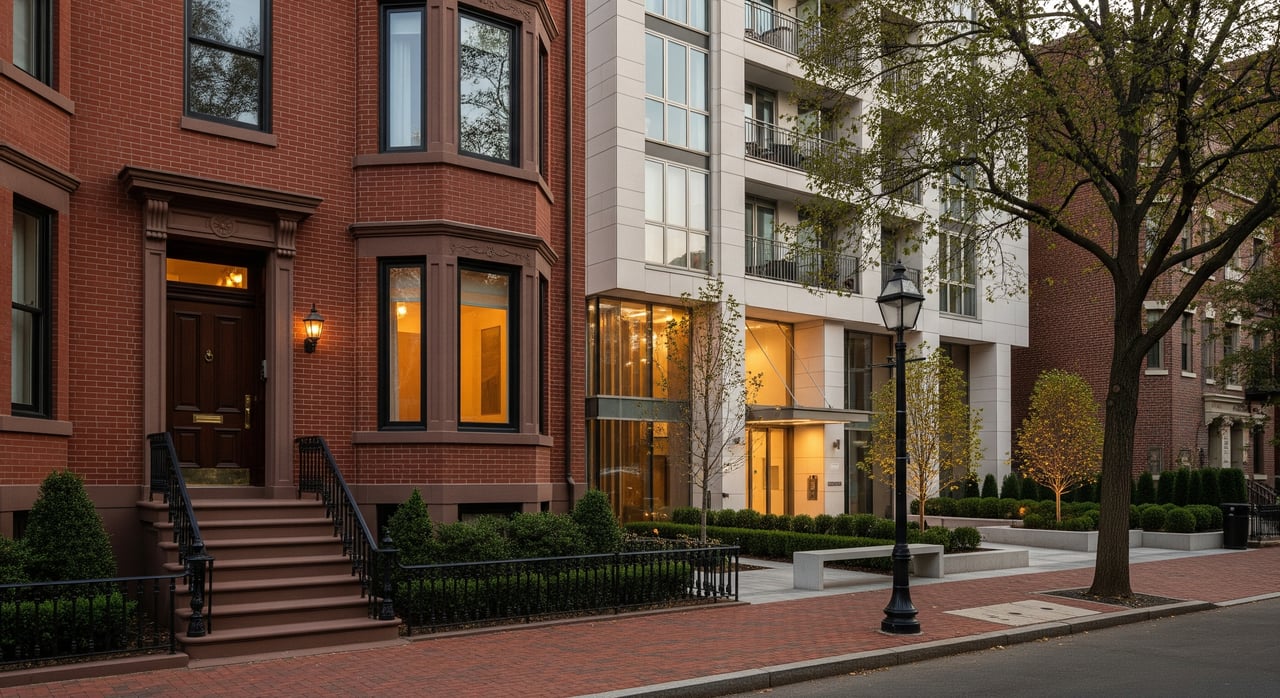
In Silver Spring, much of the newer housing supply is attached or multifamily rather than detached. Montgomery Planning says the area has added 5,300 newly constructed multifamily units since 2010, the most of any community in the county. That helps explain why many buyers comparing newer homes here are really comparing townhomes, condos, and Metro-adjacent communities rather than brand-new detached houses.
Downtown Silver Spring is also known for its walkable, transit-oriented setup. Montgomery Planning describes it as a diverse, walkable center, and WMATA notes that the Silver Spring Metro station is attached to the Paul S. Sarbanes Transit Center and sits steps from the central arts district.
What Buyers Often Like
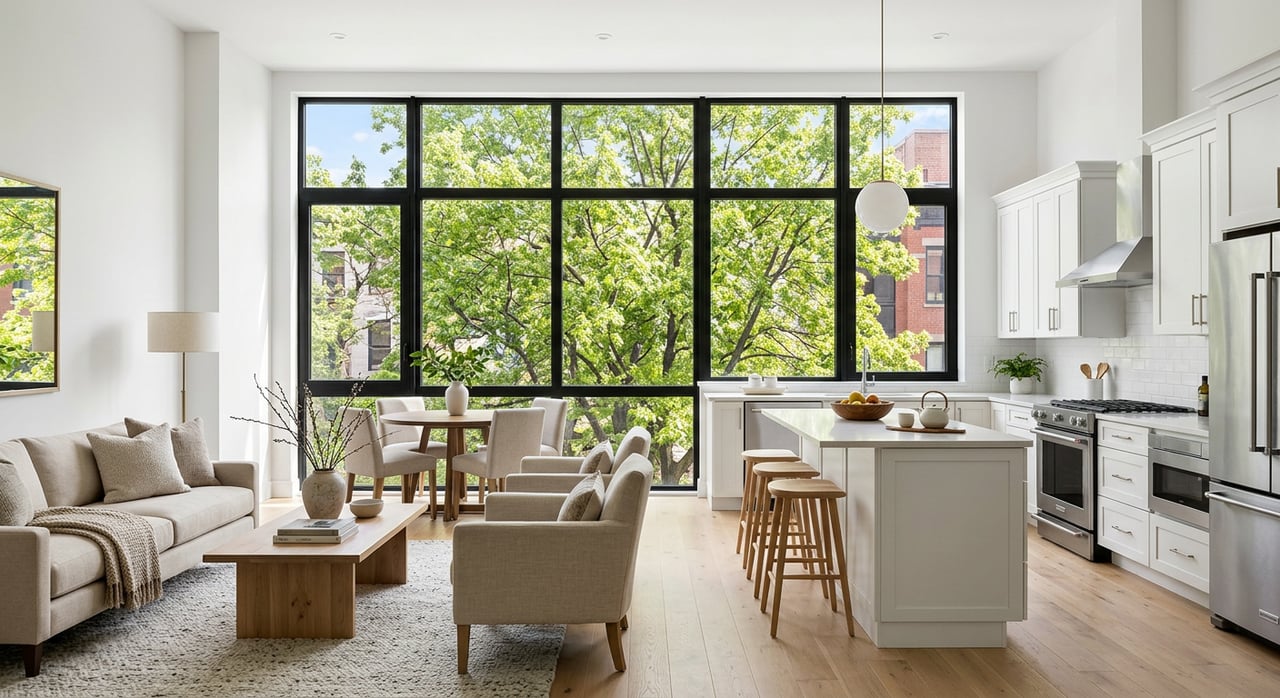
Newer homes usually appeal to buyers who want a more predictable ownership experience. In many cases, you get more modern layouts, newer systems, and less immediate repair risk.
Operating costs can also be lower. A NAHB study on home operating costs found that single-family homes built after 2010 average about 3.2% of home value in annual operating costs, compared with 6.3% for homes built before 1960. The same study found lower maintenance and fuel costs in newer homes, driven by better insulation, more efficient HVAC systems, and newer appliances.
What to Watch For
New construction often comes with monthly fees, especially in attached communities. Those fees may cover exterior maintenance, insurance, snow removal, trash, road maintenance, and shared amenities, but they still affect your monthly budget.
For example, a current attached Silver Spring listing at 2401 Glenallan Ave shows 2,392 square feet, built in 2017, at about $234 per square foot with an $80 monthly HOA. Another under-construction community in Normandy Square lists a $230 monthly condo or coop fee that covers common-area work, exterior maintenance, insurance, road maintenance, snow removal, trash, and amenities such as a pool and tennis courts.
Older Homes in Silver Spring
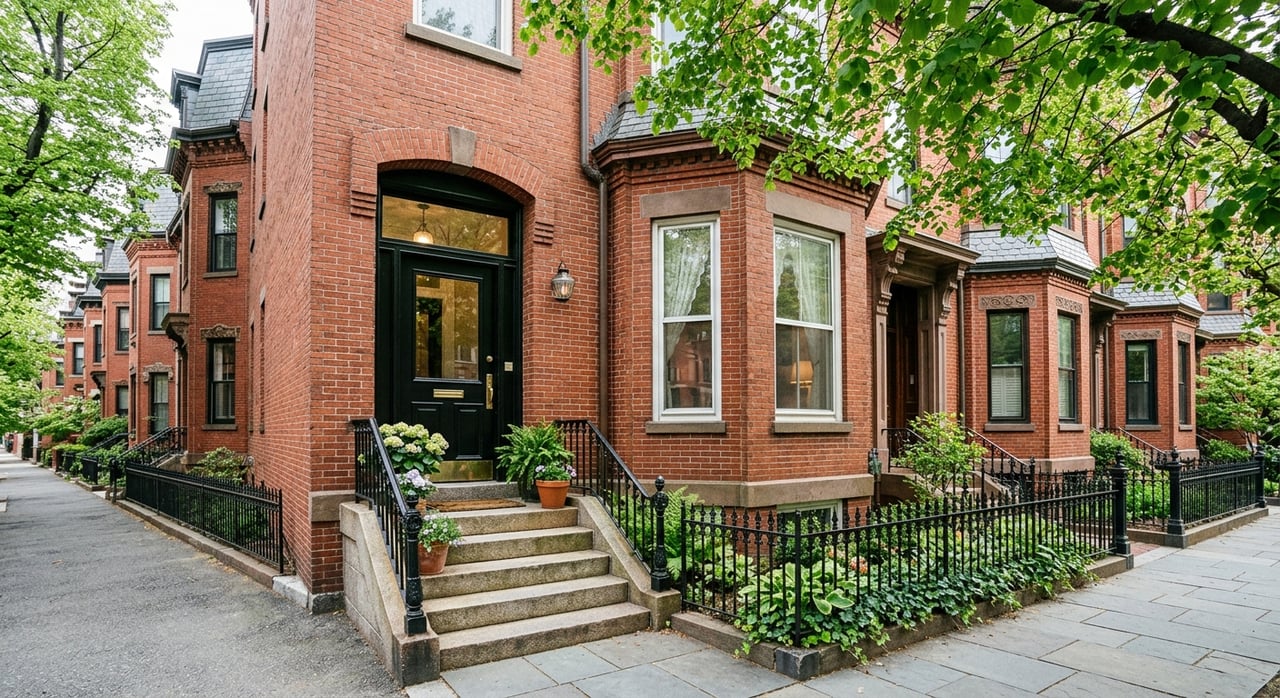
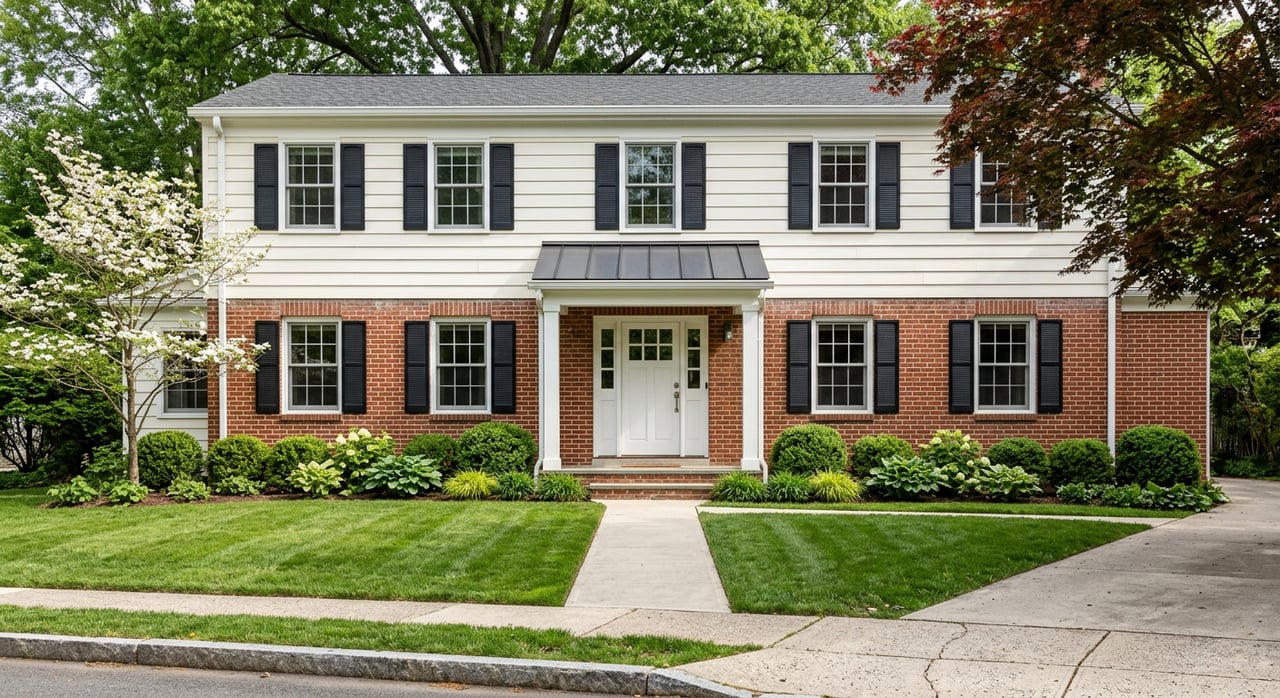
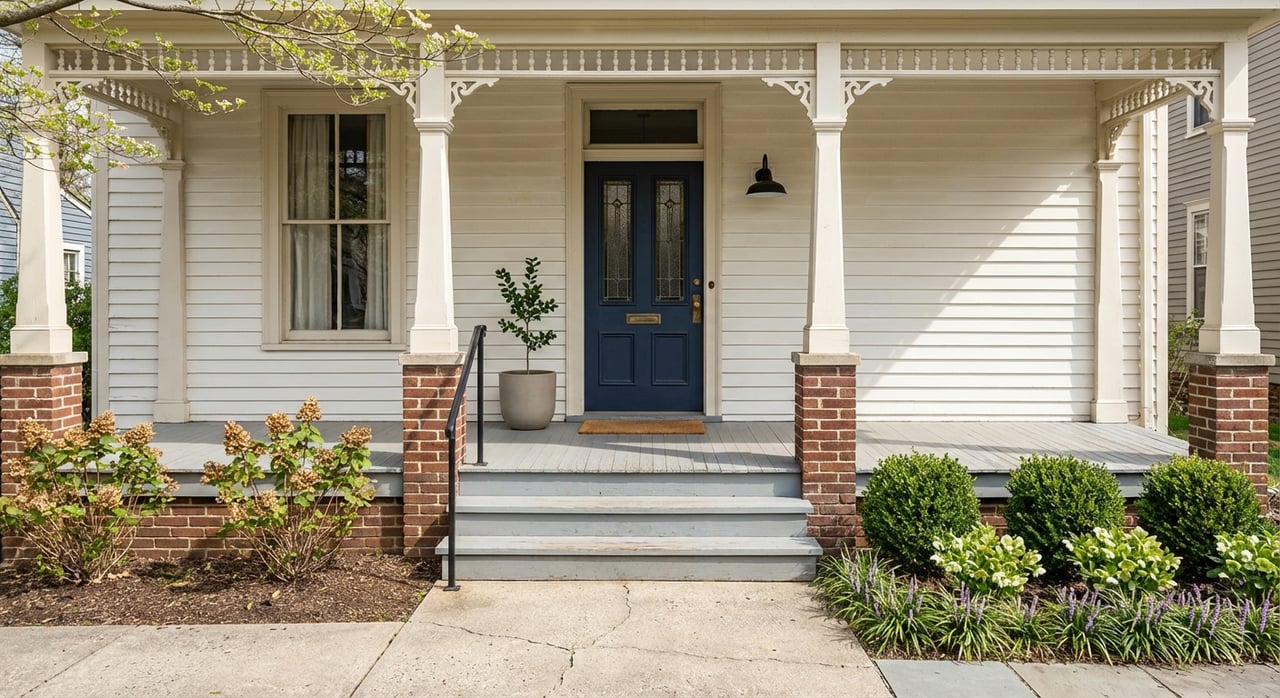
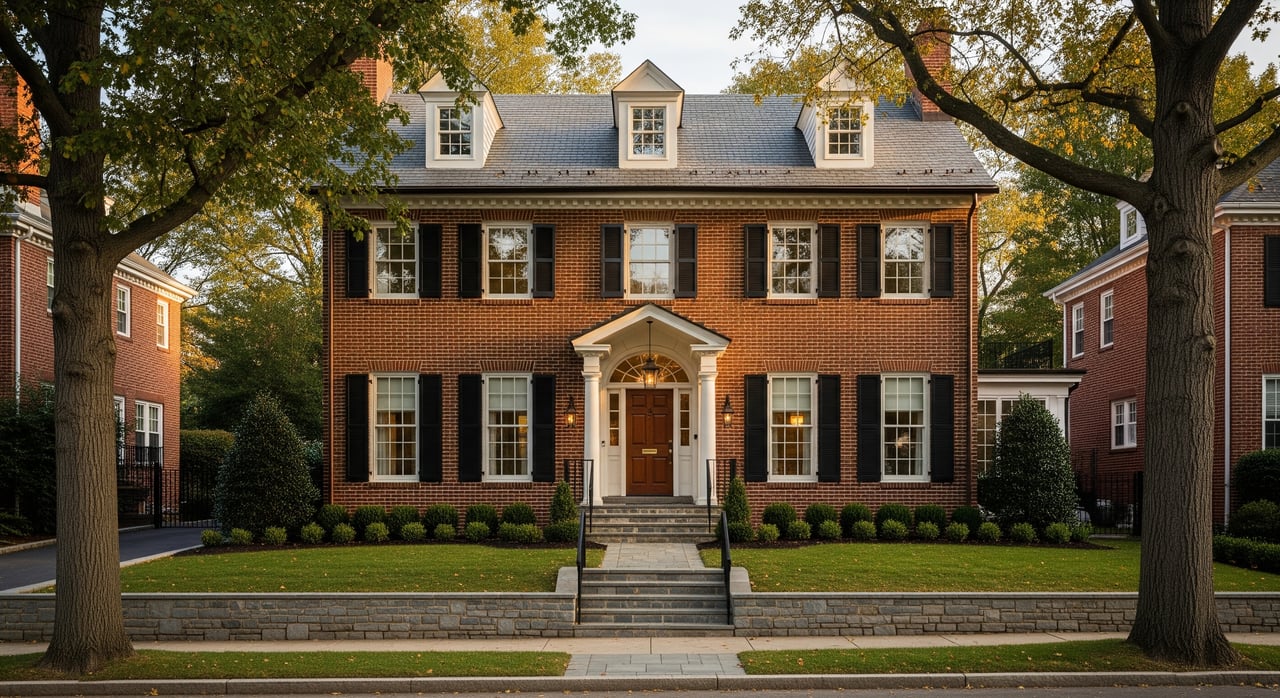
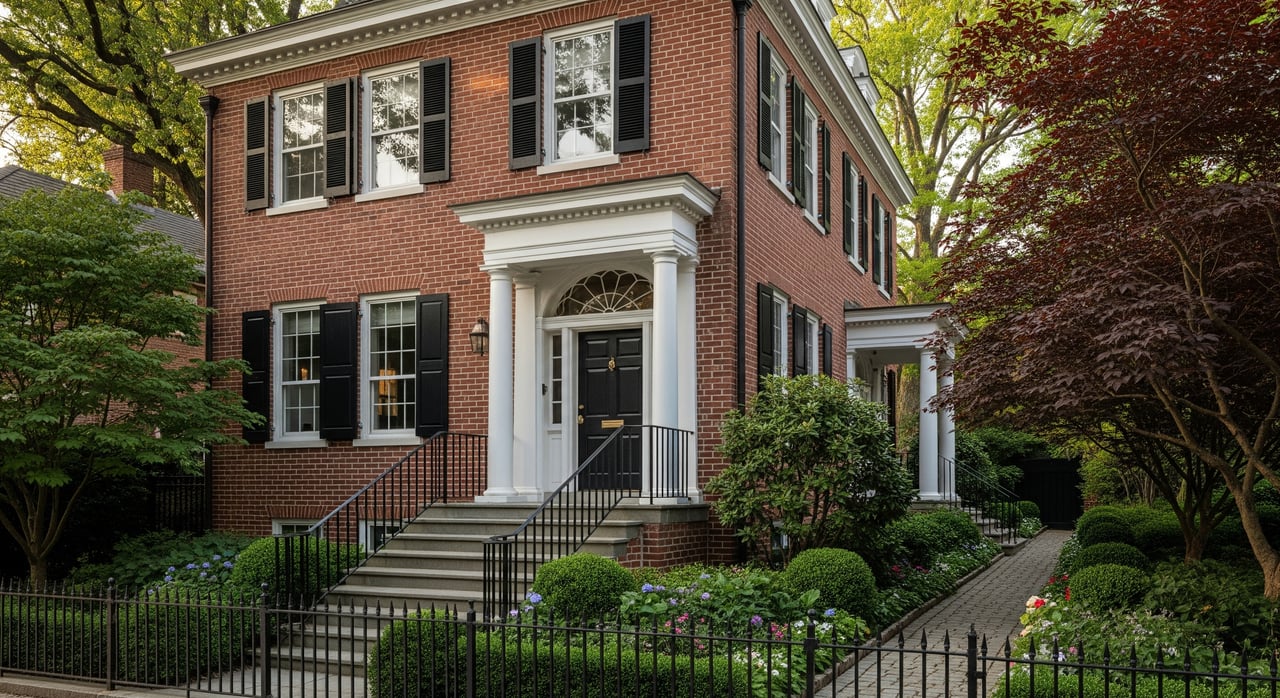
Older homes offer a different kind of value. In many parts of Silver Spring, they attract buyers who want more land, a detached layout, or the look and feel of an established home.
These homes can also sit in a different niche than newer construction. Montgomery Planning says homes built since 2010 in zip code 20910 have average gross floor area 77% larger than homes built before 1959. That helps explain why newer homes can feel more spacious, while older homes may offer a smaller footprint but a more traditional detached setup.
What Buyers Often Like
Older detached homes may have lower or no HOA dues. They can also offer more private outdoor space and more opportunity to personalize the home over time.
A current listing at 4000 Adams Dr provides a useful example. It was built in 1955, has 1,713 square feet, no HOA, and is priced at about $233 per square foot. That is very close on a price-per-square-foot basis to the newer attached example above, which is exactly why buyers should look beyond the list price alone.
What to Watch For
Older homes can come with more upkeep risk. The purchase price may look attractive, but the real cost picture often includes roof age, windows, HVAC, plumbing, insulation, and future repairs.
The same NAHB operating-cost study found that pre-1960 homes spend more on fuel and maintenance than homes built in the 2010s. That does not mean an older home is a poor choice. It means you should budget carefully and treat the inspection period as a major part of your decision.
Price Per Square Foot Is Not Enough
One of the biggest mistakes buyers make is comparing homes based only on price per square foot. In Silver Spring, that shortcut can be misleading.
Here is why. Current local examples show:
- A newer attached home at about $234 per square foot with an $80 monthly HOA
- An older detached home at about $233 per square foot with no HOA
- An older condo at about $205 per square foot with a $1,046 monthly HOA or condo fee
That older condo example comes from 9900 Georgia Ave, a 1969 condo where the fee covered utilities and parking. The takeaway is simple: monthly carrying cost depends as much on ownership structure and included services as it does on age.
Monthly Costs Matter More
If you are comparing a new townhome to an older detached home, focus on your likely monthly ownership cost, not just the purchase price. That bigger picture should include:
- Mortgage payment
- Property taxes
- Insurance
- HOA or condo fees
- Utilities
- Expected maintenance and repairs
A newer home may cost more upfront or come with an HOA, but it may save you money on repairs and energy use. An older home may have no HOA and more yard space, but it may need updates sooner. The right answer depends on what kind of monthly risk and maintenance you are comfortable with.
Best Fit by Buyer Priority
The better option often comes down to how you live day to day.
Choose Newer Homes for Simplicity
If you want lower-maintenance living, a more turnkey setup, or easier access to downtown and transit, newer homes often make the most sense. This is especially true for buyers who value being close to the Red Line and transit connections.
WMATA’s Silver Spring station page confirms that the station is on the Red Line, attached to the transit center, and close to downtown. WMATA also notes Purple Line construction on a new mezzanine through 2026, which may matter if your commute plans depend on transit access.
Choose Older Homes for Space and Character
If you want more yard, a detached layout, or renovation potential, older homes may be a better fit. These homes can work well for buyers who do not mind a little uncertainty and are prepared for future upgrades.
This path often suits buyers who see value in improving a home over time rather than paying for newer finishes upfront. The tradeoff is that you need a realistic plan for repairs, maintenance, and timing.
Questions to Ask Before You Decide
Before you choose between new construction and an older home in Silver Spring, ask yourself:
- Do you want a turnkey home or a home you can improve over time?
- Is your priority commute convenience, yard space, or lower maintenance?
- Are you comfortable with an HOA or condo fee if it reduces outside upkeep?
- Would you rather have more predictable systems or more renovation upside?
- What monthly cost feels manageable after you account for repairs, utilities, and fees?
These questions can help you compare homes in a way that reflects your life, not just the listing sheet.
The Bottom Line
In Silver Spring, new construction is not automatically better, and older homes are not automatically cheaper. Newer homes often offer lower maintenance, better energy performance, and easier access to transit-oriented living. Older homes often offer detached layouts, more land, and long-term customization potential.
The smartest comparison is not new versus old in the abstract. It is which option gives you the best mix of location, monthly cost, maintenance expectations, and lifestyle fit.
If you want help comparing specific homes in Silver Spring, Marlene Aisenberg can help you look past the list price and evaluate the full picture with a clear, low-pressure strategy.
FAQs
Is new construction always more expensive in Silver Spring?
- No. New homes can have higher upfront prices and monthly fees, but they often come with lower maintenance and better energy performance, which can change the long-term cost picture.
Are older homes cheaper overall in Silver Spring?
- Not always. Older homes may cost less upfront, but repairs, utilities, and some condo or HOA fees can make the total monthly cost higher than expected.
Which Silver Spring homes work best for commuters?
- Newer downtown or Metro-adjacent homes often fit commuters best because they are usually closer to the Silver Spring station, the transit center, and downtown amenities.
Do older Silver Spring homes always have lower HOA fees?
- No. Some older detached homes have no HOA, but older condos can still carry high monthly fees depending on the building, utilities, parking, and amenities included.
Should you compare Silver Spring homes by price per square foot?
- Only as a starting point. Price per square foot does not capture HOA fees, maintenance needs, utilities, or the cost of future repairs, so total monthly ownership cost is a better guide.