Thinking about relocating to Washington, DC and trying to balance housing costs with a manageable commute? You are not alone. With multiple job hubs and a wide mix of neighborhoods, it can be hard to pinpoint where to live without overextending your time or budget. In this guide, you will learn what typical home prices and rents look like, how long common commutes take by Metro and by car, and what day‑to‑day life feels like in close‑in neighborhoods versus the suburbs. Let’s dive in.
How job hubs map to neighborhoods
The DC region revolves around several major employment centers, many connected by the Metrorail system. Understanding your likely work destination helps you quickly narrow neighborhoods.
Downtown federal core
The largest cluster of federal agencies, trade groups, and law and consulting firms sits around Metro Center, Federal Triangle, Farragut, and L’Enfant Plaza. Multiple Metro lines converge here, which makes the downtown core the most common destination for rail transfers. For an overview of lines and stations, see the summary of the Washington Metro.
Typical live‑work pairings for downtown commuters include:
- Close‑in Northwest DC neighborhoods like Dupont, Logan, and Foggy Bottom for a short, single‑seat ride or quick transfer.
- Arlington’s Rosslyn–Ballston corridor for frequent service and a short rail hop into the core.
NIH and Bethesda (MD)
The National Institutes of Health anchors a major research and medical cluster in Bethesda, with tens of thousands of workers on or near the campus historically. The area is served by Bethesda station on the Red Line, which offers direct access into downtown DC. Learn more about NIH’s role in the area from this NIH campus background.
National Landing, Pentagon City, and Pentagon (VA)
This Northern Virginia hub includes the Pentagon, Amazon’s HQ2 in National Landing, and a dense network of government contractors. Stations such as Pentagon, Crystal City, and Pentagon City connect via the Yellow and Blue lines. For broader context on the submarket’s growth, see this National Landing employment overview.
Rosslyn–Ballston corridor (VA)
Rosslyn, Courthouse, Clarendon, and Ballston form a linear, transit‑rich corridor with frequent service and walkable amenities. Many professionals pair these neighborhoods with jobs either downtown or in nearby Arlington offices.
Silver Spring (MD)
Downtown Silver Spring on the Red Line is a popular home base for workers who split time between DC and Maryland job nodes. It offers an urban center with rail access similar to Bethesda but often at a lower price point for condos and rentals.
Housing costs at a glance
Prices vary by submarket and property type. The numbers below are recent benchmarks. Always note the metric and date when comparing.
- District of Columbia citywide: Redfin median sale price, Jan 2026, about $660,000. Zillow’s home‑value index (ZHVI), Dec 31, 2025, was about $572,000. These are different methodologies, so do not expect them to match.
- Typical DC rents: city listing medians in Feb 2026 clustered around $2,200 to $2,500 per month. Zumper’s reported median was $2,485 as of mid‑February 2026. You can review current figures on Zumper’s DC rent research.
- Northwest DC: close‑in neighborhoods like Dupont, Logan, and U Street often show medians in the high‑$600Ks to $900Ks, with select areas higher.
- Bethesda, MD: Redfin median sale price, Dec 2025, about $1.08M; single‑family homes are prominent here.
- Silver Spring, MD: Redfin median sale price, Jan 2026, about $609,500; downtown condos and rentals often price lower than Bethesda.
- Arlington, VA: Redfin median sale price, Jan 2026, about $700K to $705K, with walkable Rosslyn–Ballston villages often higher.
- Alexandria, VA: Redfin median sale price, Jan 2026, about $485K, with wide variation between Old Town waterfront areas and inland ZIPs.
Tip: Decide which metric matters most for your decision window. Redfin’s median sale price shows what closed recently. Zillow’s ZHVI is a model‑based index that smooths volatility. For rentals, listing medians move month to month. Label the source and date for each figure you compare.
Commute times: Metro vs car
Your door‑to‑door time depends on exact addresses, peak vs off‑peak travel, and transfers. Use these examples as ballpark ranges, then test your personal route at your target arrival time.
Typical Metrorail times
Rail times below are station to station. Add 5 to 15 minutes for walking, escalators, fare gates, and any transfer wait.
- Bethesda to Metro Center: about 15 to 25 minutes of rail time. Trip planners often show around 17 to 20 minutes. See an example on Rome2Rio’s Bethesda to Metro Center.
- Silver Spring to Metro Center: about 15 to 25 minutes of rail time, often around 18 minutes. Example here: Rome2Rio’s Silver Spring to Metro Center.
- Alexandria to downtown: expect about 15 to 30 minutes by rail depending on which station you start from and where downtown you are heading, with transfers adding time.
During planned maintenance, Metro may use shuttles or adjust service, which can lengthen a trip. Check WMATA service advisories, including Red Line updates like these shuttle service changes, before you go.
Typical driving times
Traffic varies by route, bridge crossings, and time of day.
- Bethesda to downtown DC: about 20 to 40 minutes in typical conditions, with the high end more common at peak.
- Silver Spring to downtown DC: about 15 to 30 minutes, depending on route and congestion.
- Arlington to downtown DC: about 10 to 25 minutes, with peak congestion sometimes adding more.
If you plan to drive regularly, remember to account for parking costs at work or at home, plus insurance and potential garage fees.
Transit frequency and fares
WMATA runs frequent service on core segments during rush periods, with peak trains typically every 4 to 10 minutes depending on the line. For many commuters, an unlimited pass is simpler and can be cost‑effective versus daily fare payments. WMATA’s Monthly Unlimited Pass options range roughly $72 to $216 depending on fare level. You can review pass options on WMATA’s fare and pass page.
Central vs edge lifestyle
There is no one right answer for where to live. The tradeoff usually comes down to walkability and shorter commutes close in, or more space and relative value farther out.
Close‑in, urban living
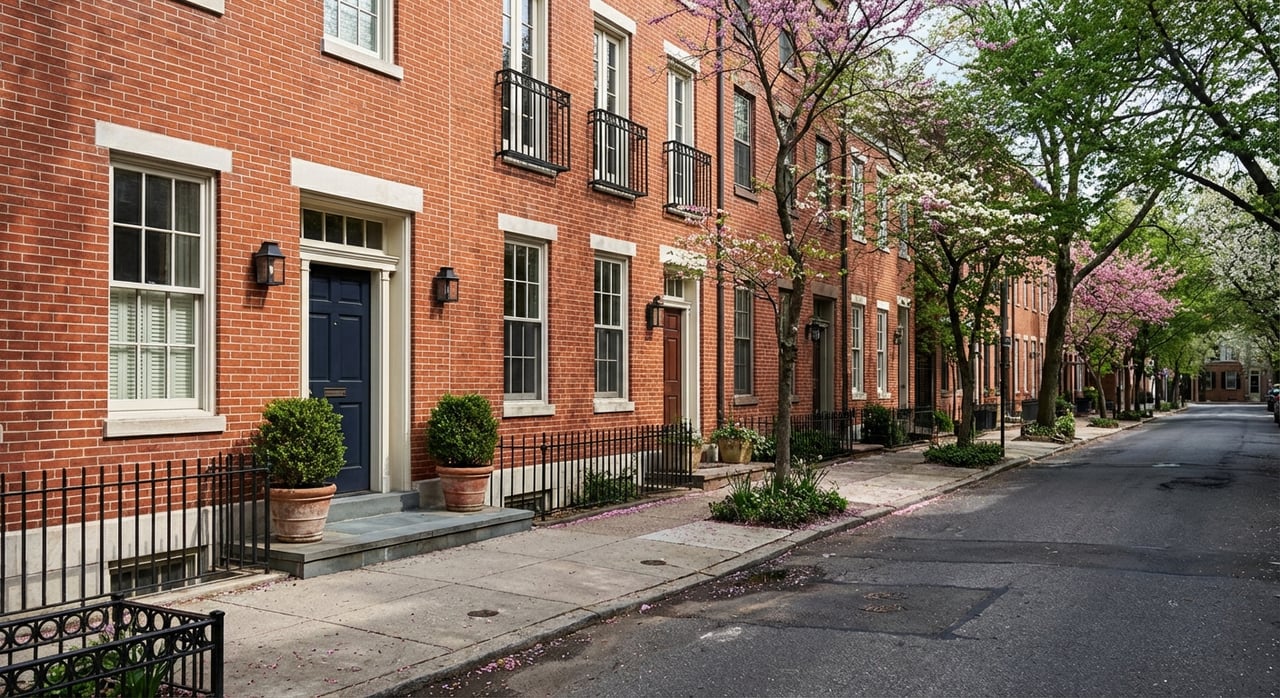
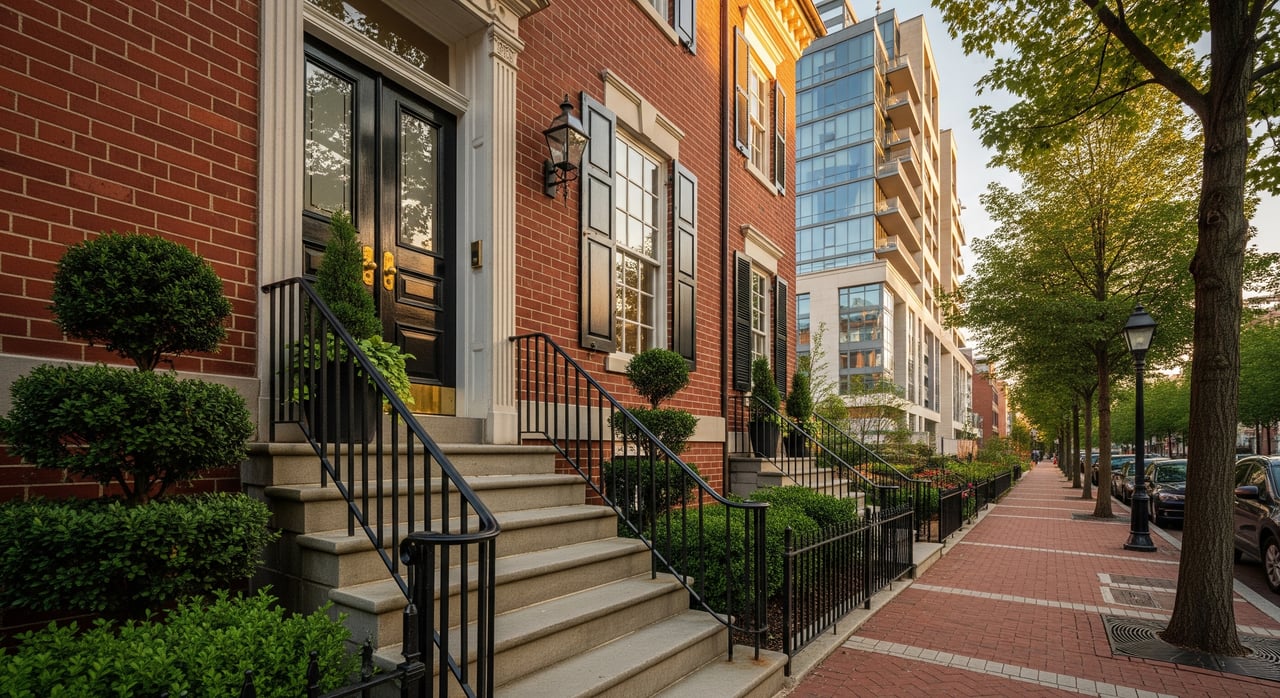
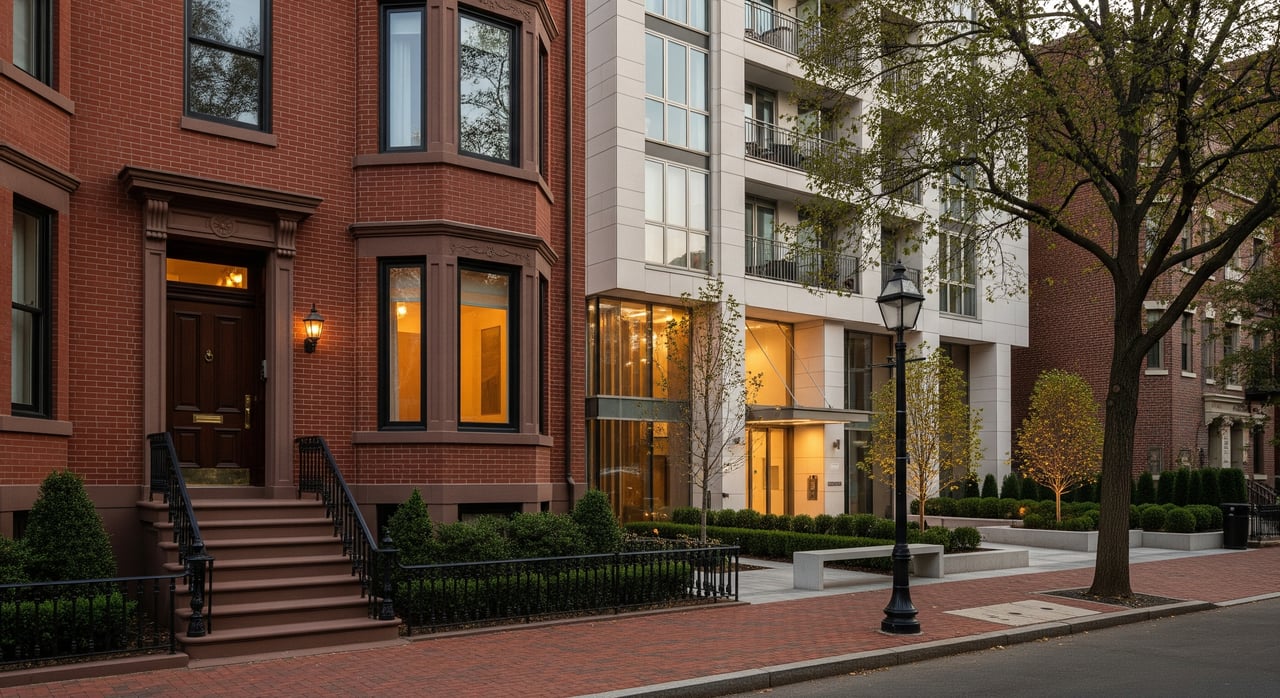
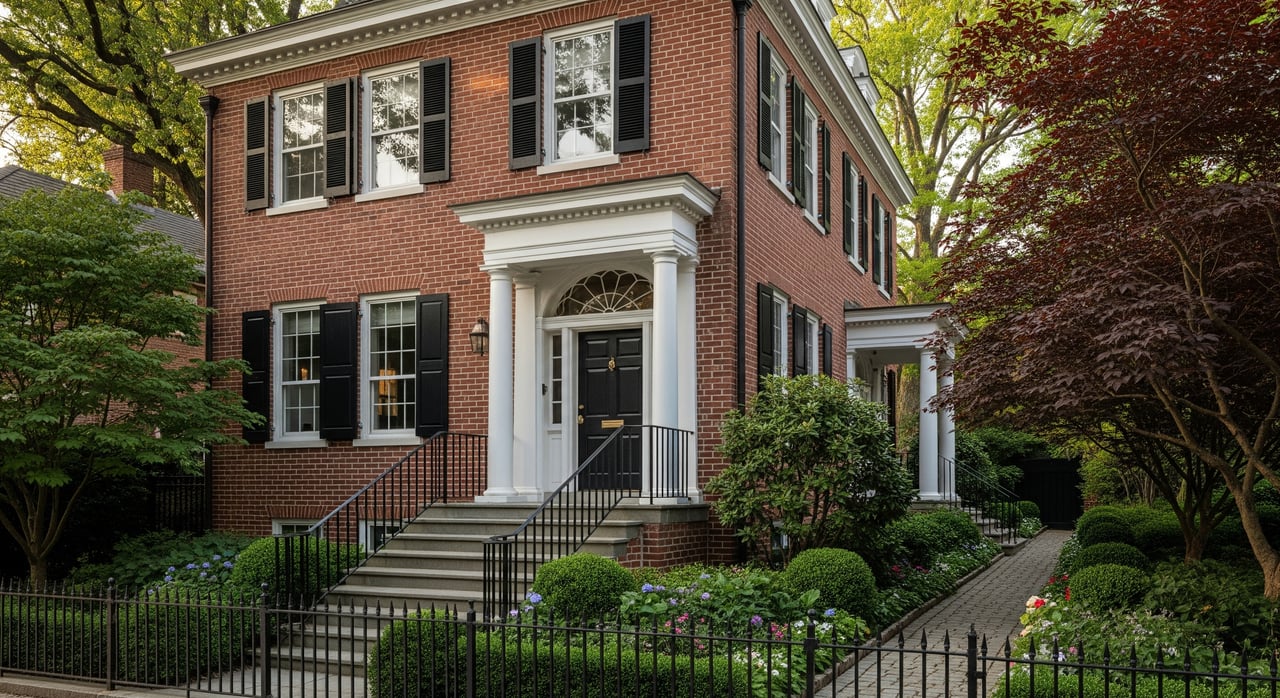
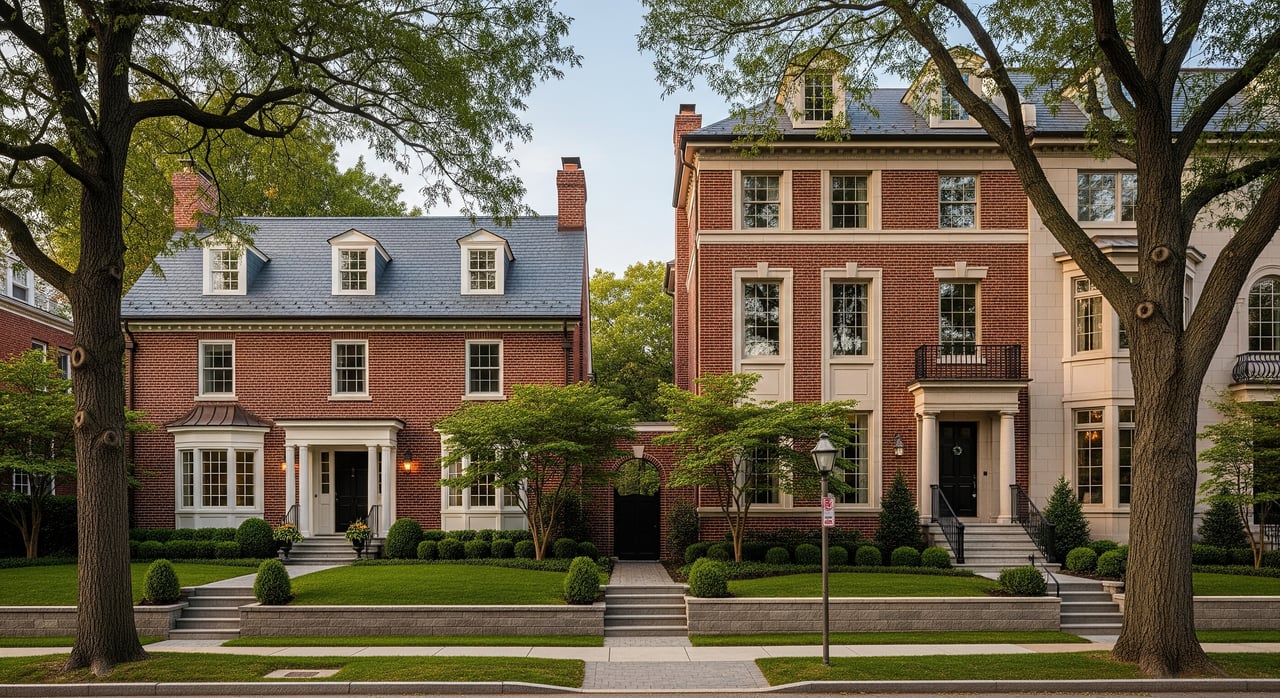
- What it feels like: Walkable streets, restaurants and groceries within blocks, and high transit and bike access. Housing often skews to condos, rowhouses, and mid‑rise apartments with a higher price per square foot.
- Commute impact: Often a single‑seat Metro ride to downtown and less need to own a car day to day.
- Daily rhythm: Short errands on foot, easy evenings out, and quick access to cultural venues and parks such as the Rock Creek Park corridors in Northwest DC.
Edge and suburban options
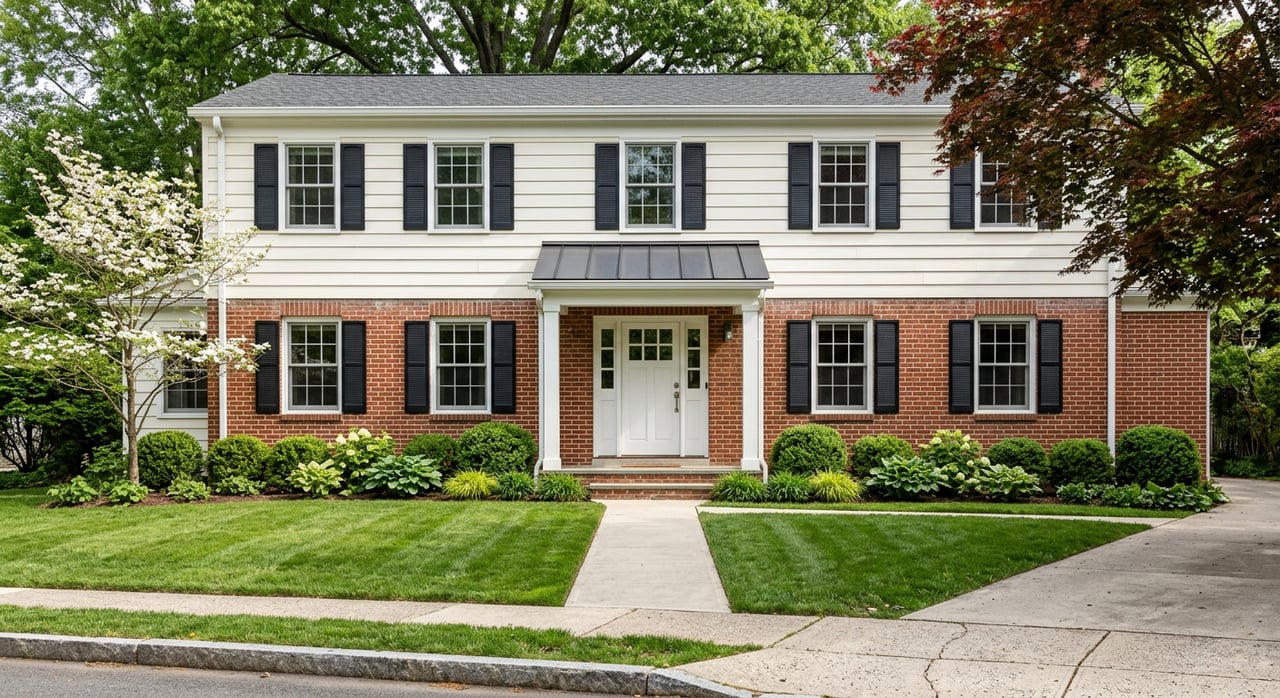
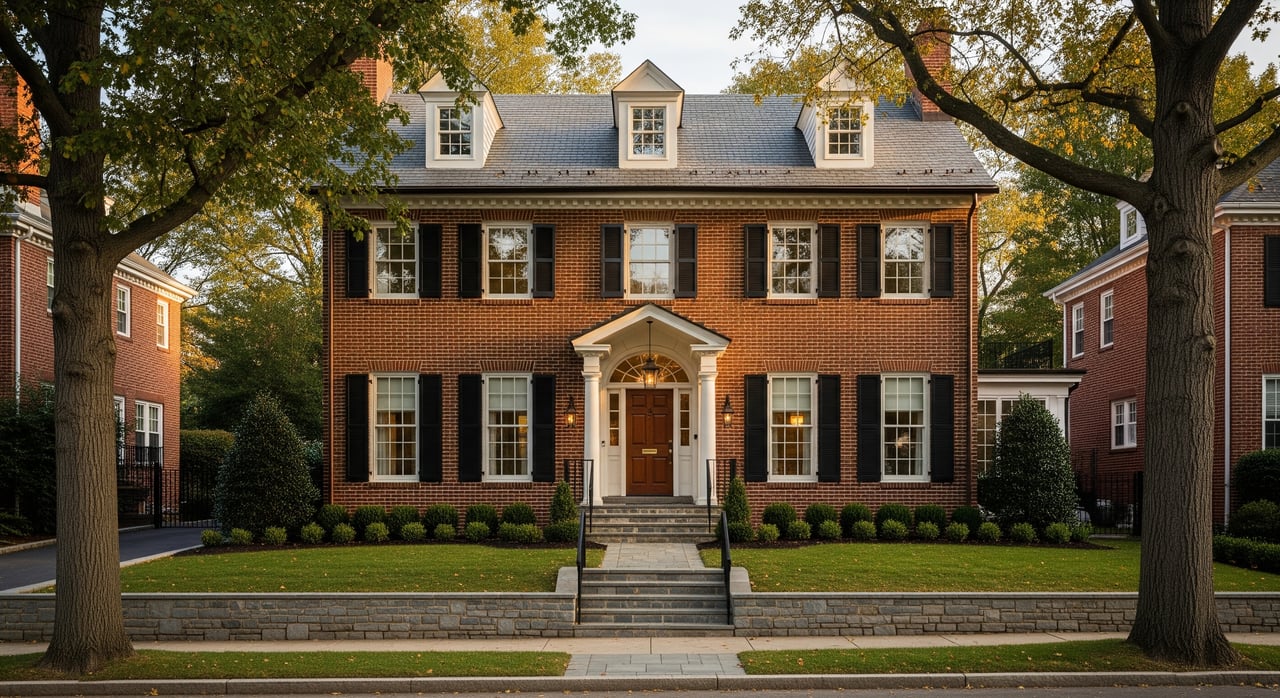
- What it feels like: More single‑family homes and townhomes, larger lots, and a quieter residential fabric. Downtown Bethesda and Downtown Silver Spring are denser nodes with shops and dining, while nearby neighborhoods offer a more traditional suburban pattern.
- Commute impact: You may trade a slightly longer ride for more square footage or a yard. If you plan to use Metro, living near a station often commands a premium but can keep commutes predictable.
- Daily rhythm: More space for home offices and storage, suburban parks and trails, and easier parking. Many families evaluate school options as part of their search and consider proximity to childcare.
How to choose your location
Use a simple framework to fit your lifestyle, budget, and commute.
- Define your work destinations
- List your primary office and any frequent client sites. Note which Metro lines serve them and whether you are open to transfers.
- Set a total monthly budget
- Include housing cost, utilities, a transit pass or parking, and a buffer for rideshares or car expenses. Unlimited passes can simplify transit costs. See WMATA pass options to compare scenarios.
- Test your commute door to door
- Try your actual trip at your expected arrival time with both Metro and driving. Add a 10 to 20 percent buffer for delays and transfers.
- Weigh daily-life must‑haves
- Decide how important walkable errands, evening dining, or trail access are for you. If you value a quick walk to groceries or a short Metro ride, close‑in neighborhoods may be worth the premium. If you want a larger home, more storage, or a yard, expand your search to edge neighborhoods near a station.
- Plan for service changes
- Metro occasionally runs planned maintenance that can add time or require shuttles. Check current advisories, such as these Red Line shuttle updates, when you plan your week.
What typical commutes feel like
Numbers help, but your time matters too. The average one‑way commute for District residents is roughly 30 minutes according to recent ACS‑derived estimates. You can view that context on this DC commute time indicator. If you prefer a sub‑30‑minute trip most days, focus your search along the Red, Blue, Yellow, Orange, or Silver lines close to your destination. If you want more space and accept a longer ride a few days per week, look to suburban nodes that still have direct rail access.
Where we can help
If you are deciding between a condo near Metro in Northwest DC, a townhouse in Arlington, or a single‑family home in Bethesda or Silver Spring, the best choice blends your budget, commute, and day‑to‑day routine. Our team specializes in Bethesda, Chevy Chase, Potomac, and Northwest DC, and we help relocating professionals compare neighborhoods with clear, current data and on‑the‑ground context. We can map likely commute paths, estimate total monthly carrying costs, and flag competitive pockets where your wish list fits the market.
Ready to explore options with a calm, consultative partner? Reach out to Marlene Aisenberg to start a tailored search and plan your next move with confidence.
FAQs
What is the typical DC commute time?
- The average one‑way commute for District residents is roughly 30 minutes based on recent ACS‑derived data, which you can review on the DC commute time indicator.
How much do DC rentals cost right now?
- Listing medians in Feb 2026 clustered around $2,200 to $2,500 per month citywide, with Zumper reporting a $2,485 median for Washington, DC; see the latest on Zumper’s DC rent research.
What are typical home prices in the DC area?
- As of late 2025 and Jan 2026 benchmarks: DC’s median sale price was about $660,000 by Redfin, while Zillow’s ZHVI was about $572,000; nearby medians included Bethesda around $1.08M, Arlington around $700K to $705K, Silver Spring around $609,500, and Alexandria around $485K.
How long is the Metro from Bethesda or Silver Spring to downtown?
- Bethesda to Metro Center is about 15 to 25 minutes of rail time and Silver Spring to Metro Center is similar, often around 18 minutes; see examples on Rome2Rio for Bethesda and Rome2Rio for Silver Spring.
How much is a monthly Metro pass?
- WMATA Monthly Unlimited Passes range roughly $72 to $216 depending on fare level; review options on WMATA’s pass page.