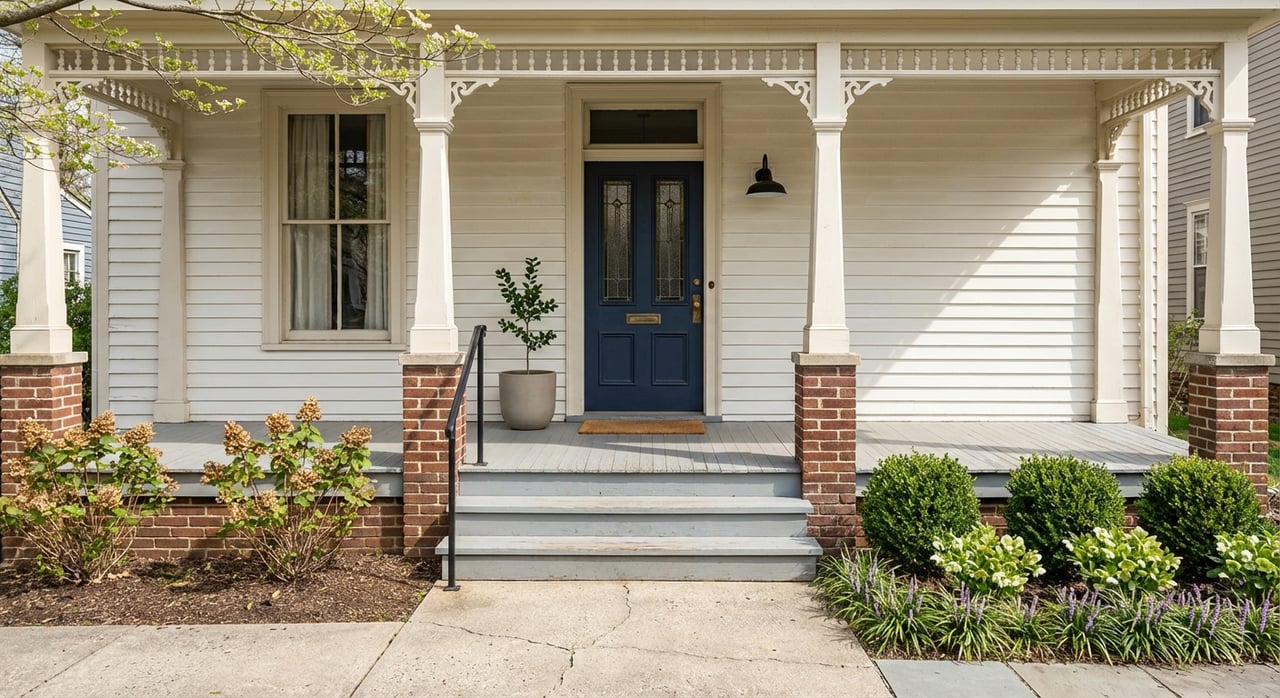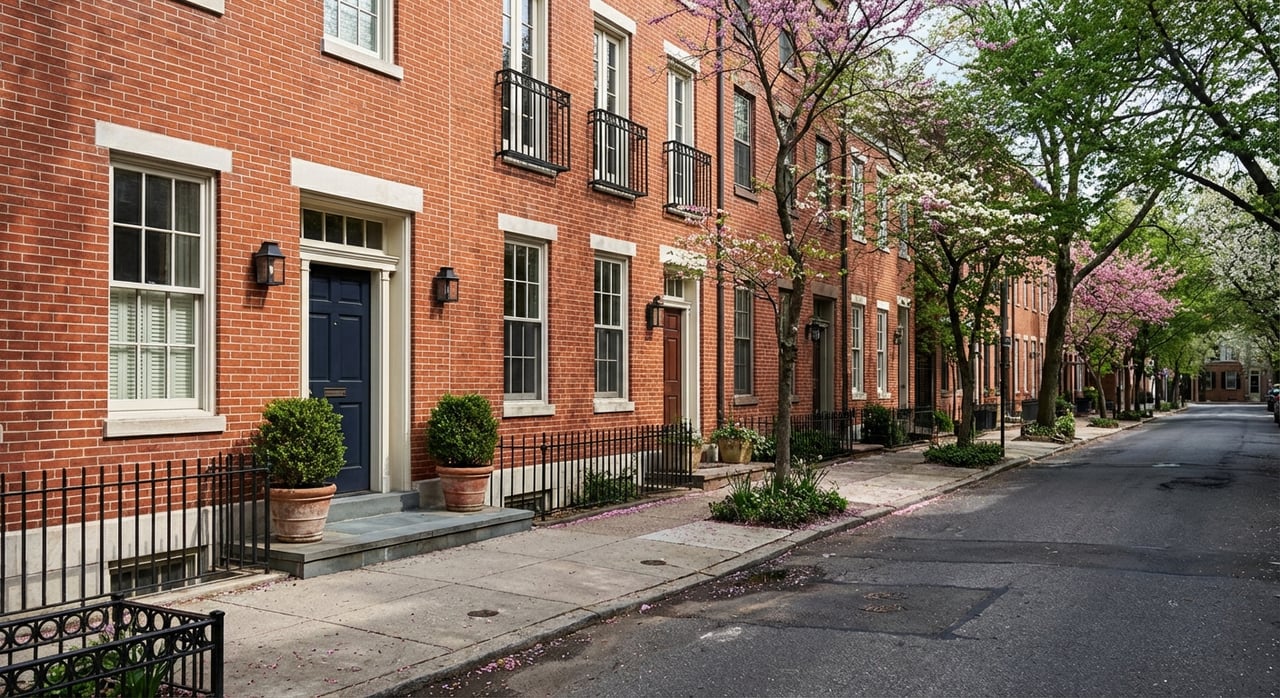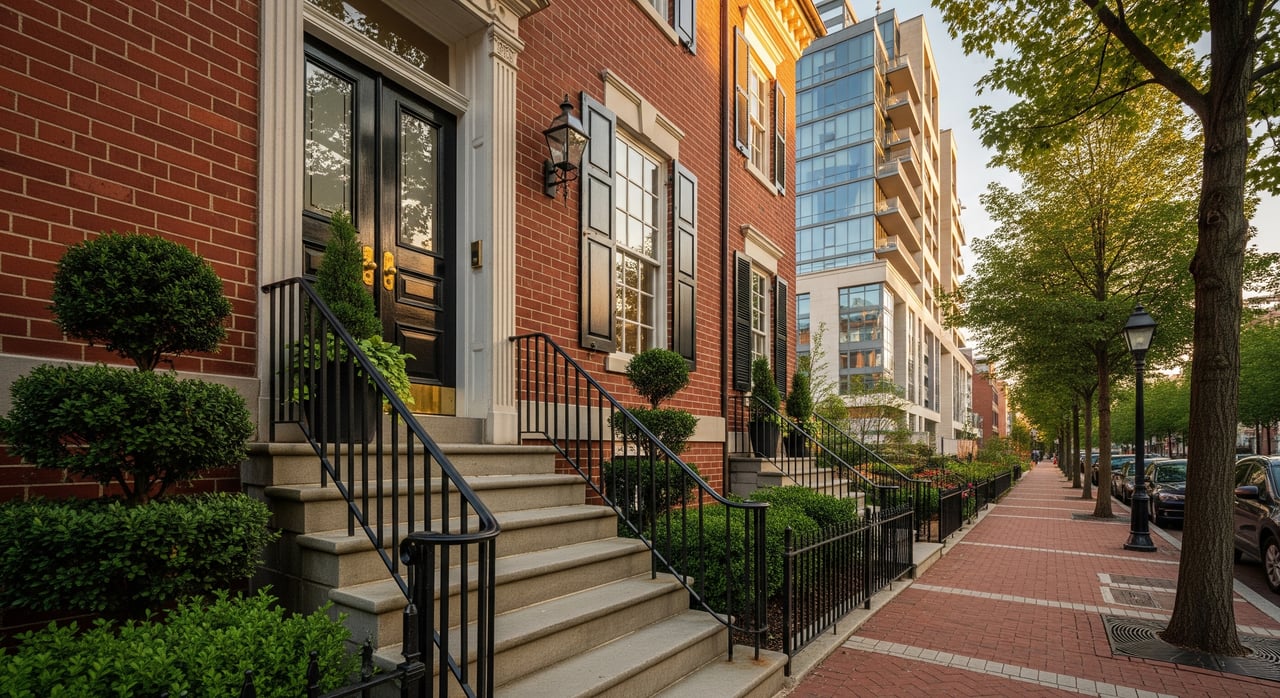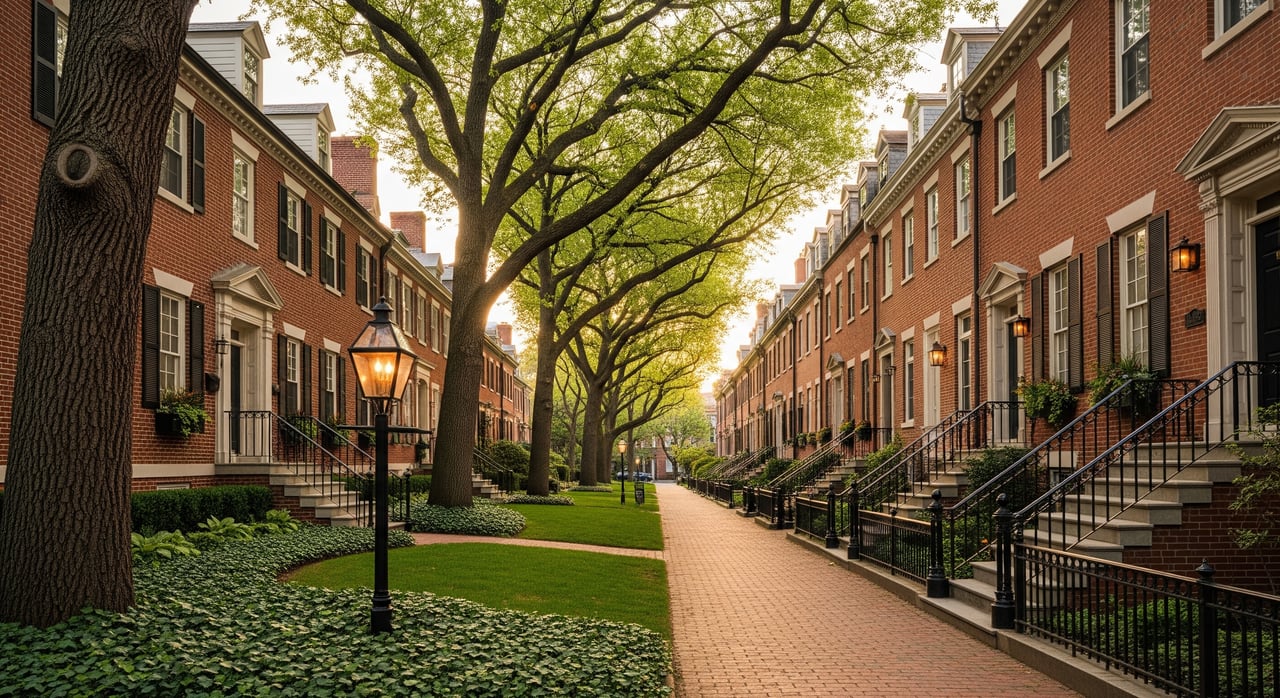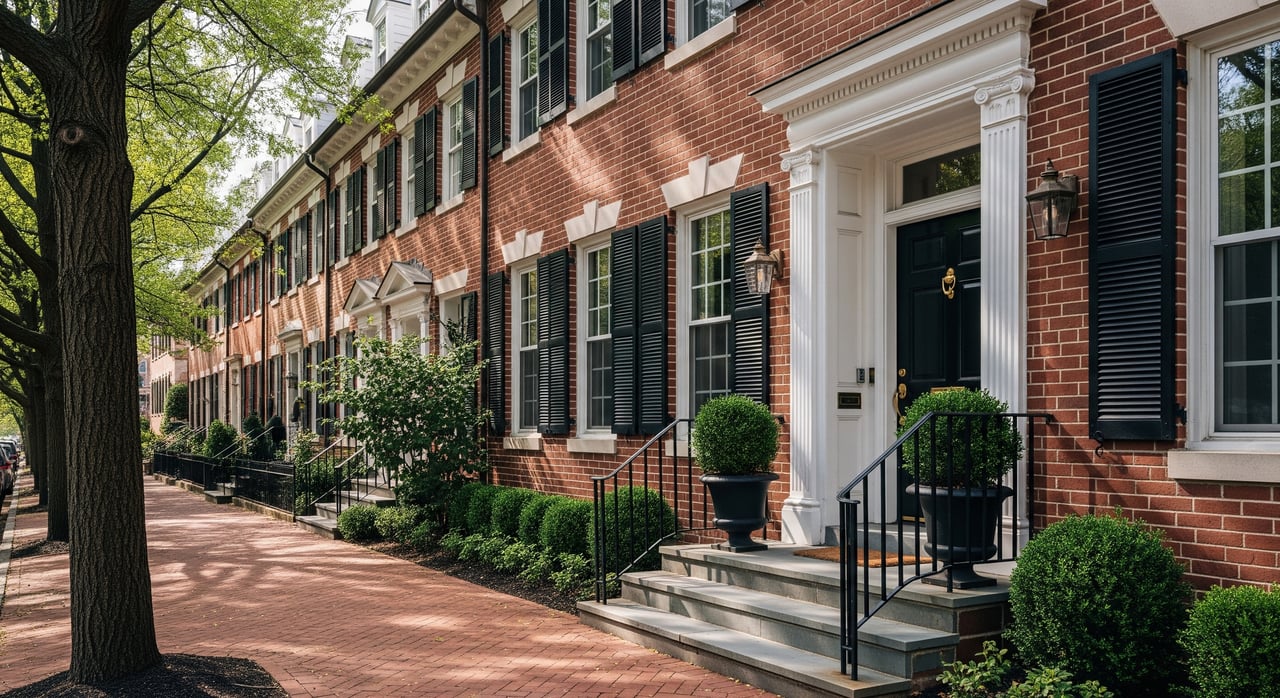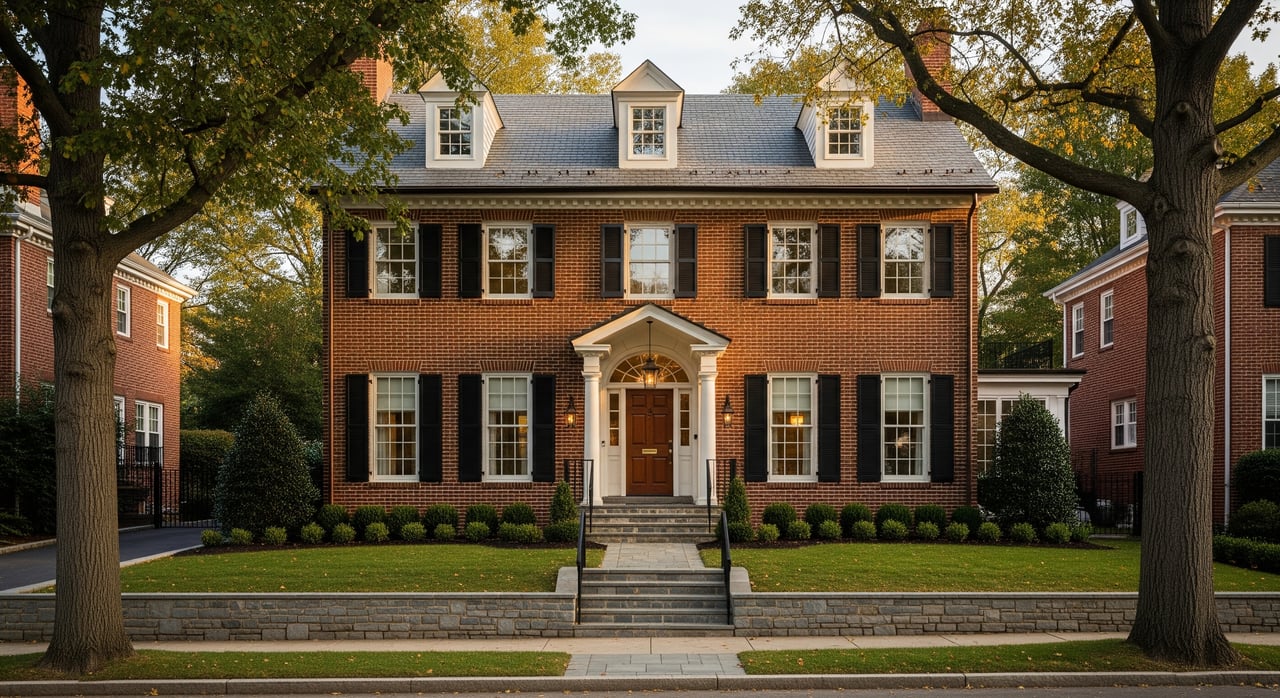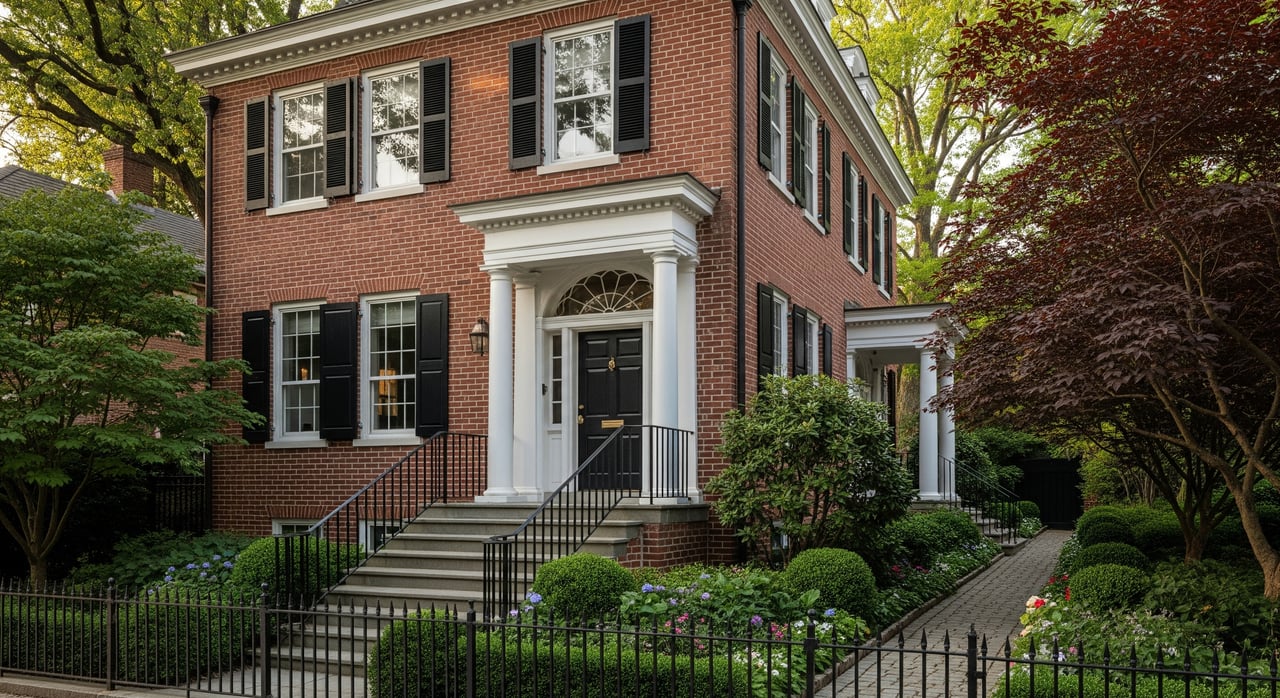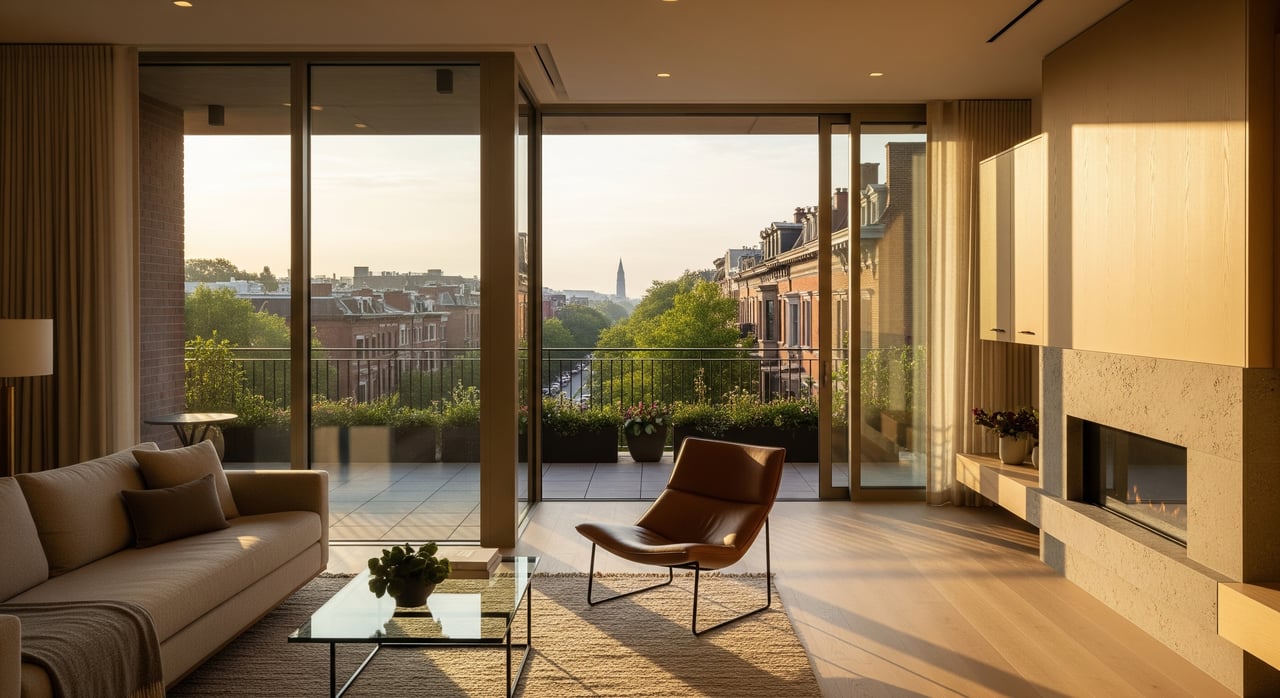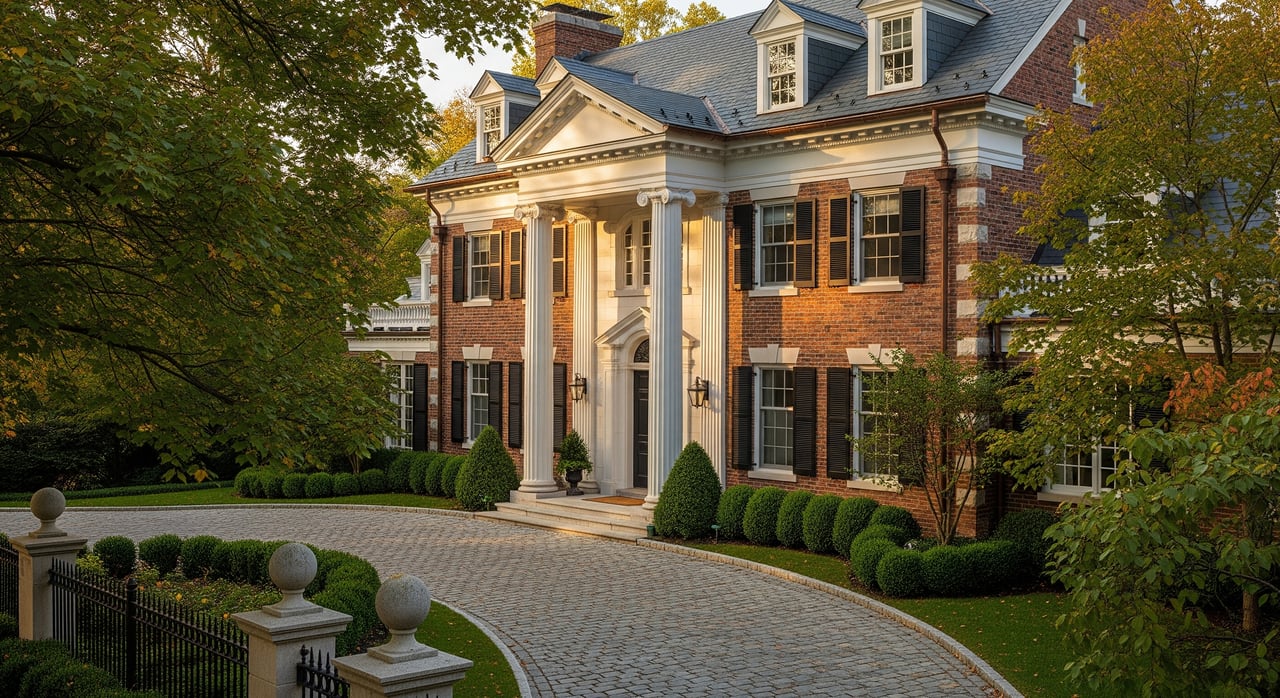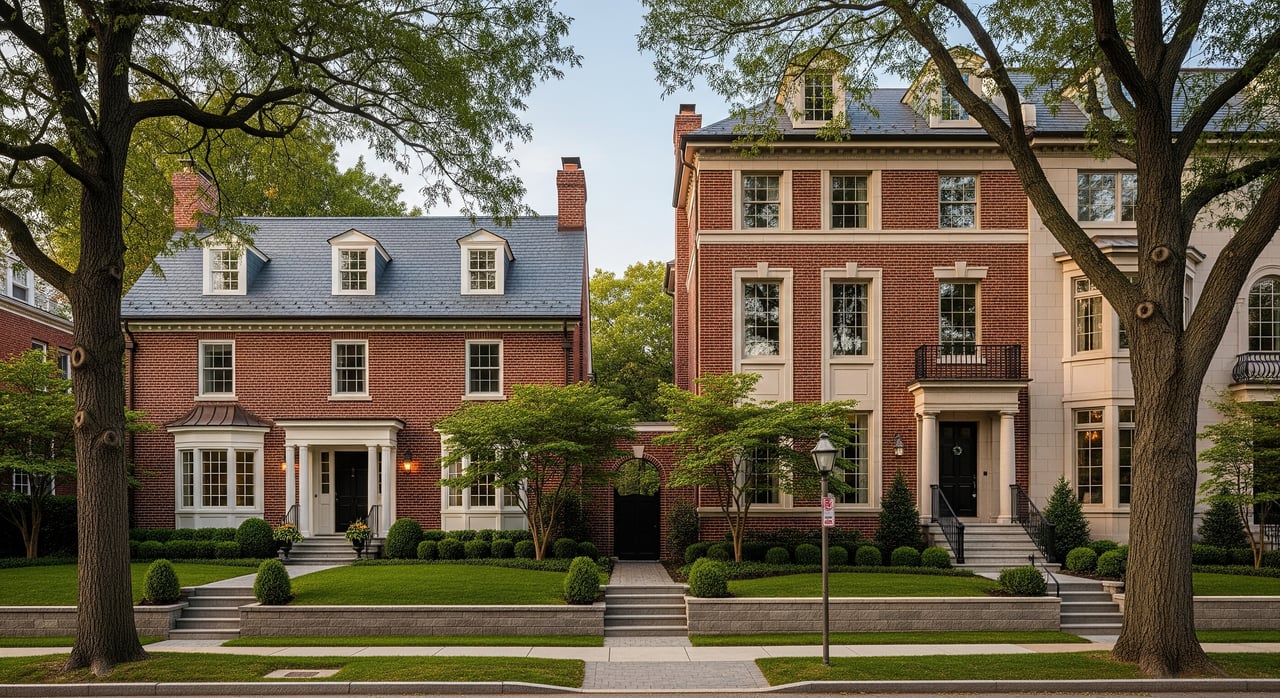
Torn between a low-maintenance townhouse and the space of a detached home in Rockville? You are not alone. The choice affects your monthly costs, day-to-day living, and long-term resale. In this guide, you will weigh the trade-offs in a clear, local context so you can choose with confidence. Let’s dive in.
Rockville housing at a glance
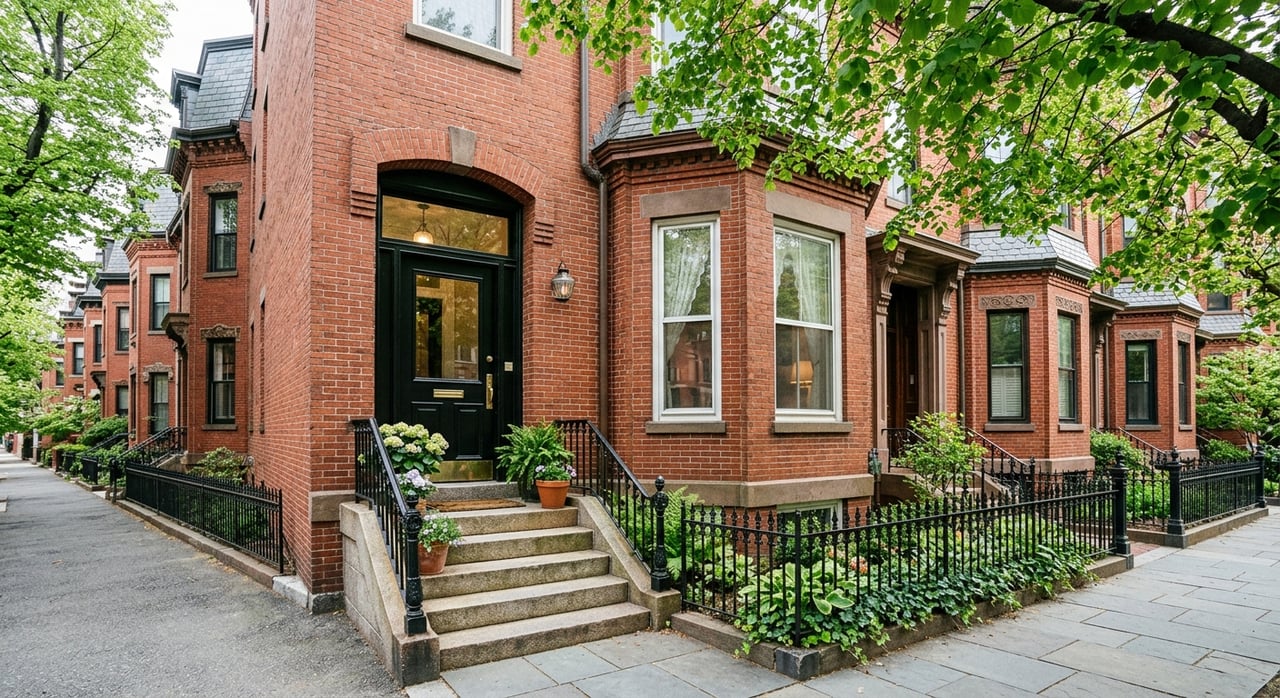
Rockville offers a mix of property types. You will find townhouse clusters in King Farm, Fallsgrove, near Rockville Town Center, and in parts of Twinbrook. Single-family neighborhoods are common in East Rockville, West End, Lincoln Park, and areas like Fallsmead and upper Rockville.
Access to the Red Line, Rockville Pike, and I-270 shapes pricing and demand. Proximity to parks, Town Center amenities, and commuter routes also matters. Inventory, age of homes, and renovation levels vary by neighborhood, which is why micro-location is key.
Cost and ownership differences
Price patterns often favor townhouses over single-family homes in the same micro-area. Detached homes usually command a premium for privacy, lot size, and perceived land value. That said, a well-located or renovated townhouse close to transit can push into higher price bands.
Property taxes
Rockville properties are taxed by Montgomery County, and assessments drive your tax bill. The biggest difference between a townhouse and a single-family home usually comes from assessed value rather than a special tax rule. Check current assessments and the county’s billing details before you set a budget.
HOA fees and what they cover
Many townhouses have an HOA, and some single-family neighborhoods do too. Fees can include exterior maintenance, reserves for roofs, snow removal, trash, landscaping, street lighting, and shared amenities such as pools and playgrounds.
- Review the HOA budget, reserves, and recent meeting minutes.
- Ask about any planned special assessments and fee increases.
- Confirm rules that affect your plans, such as rental caps, exterior changes, or pet policies.
Maintenance and utilities
- Townhouses: You may have lower exterior upkeep if the HOA maintains siding, roofs, and grounds. Interior systems remain your responsibility. Shared walls can help with energy efficiency, but actual utility costs depend on layout, insulation, and systems.
- Single-family homes: You are responsible for all exterior work and yard care. Budget for roof, siding, gutters, driveways, fencing, and landscaping over time.
Insurance basics
- Single-family homes: A standard HO-3 policy typically covers the structure and improvements on the lot.
- Townhouses: Coverage depends on ownership type. Fee-simple townhouses often use an HO-3 policy, but you still need to understand the HOA master policy to avoid gaps. Townhouses within a condominium structure usually require an HO-6 (walls-in) plus the HOA master policy. Clarify exactly what the master policy covers.
Financing and appraisal
Conventional, FHA, and VA financing is widely available for both property types. Some townhouse communities organized as condominiums may have additional lender requirements. Program eligibility depends on the property meeting the standards of the loan type.
Appraisers compare like to like. Townhouses are appraised against recent attached-home sales, while detached homes are compared to other single-family records. In small submarkets with few recent comps, valuation can be more sensitive to limited data.
Space, privacy, and outdoor living
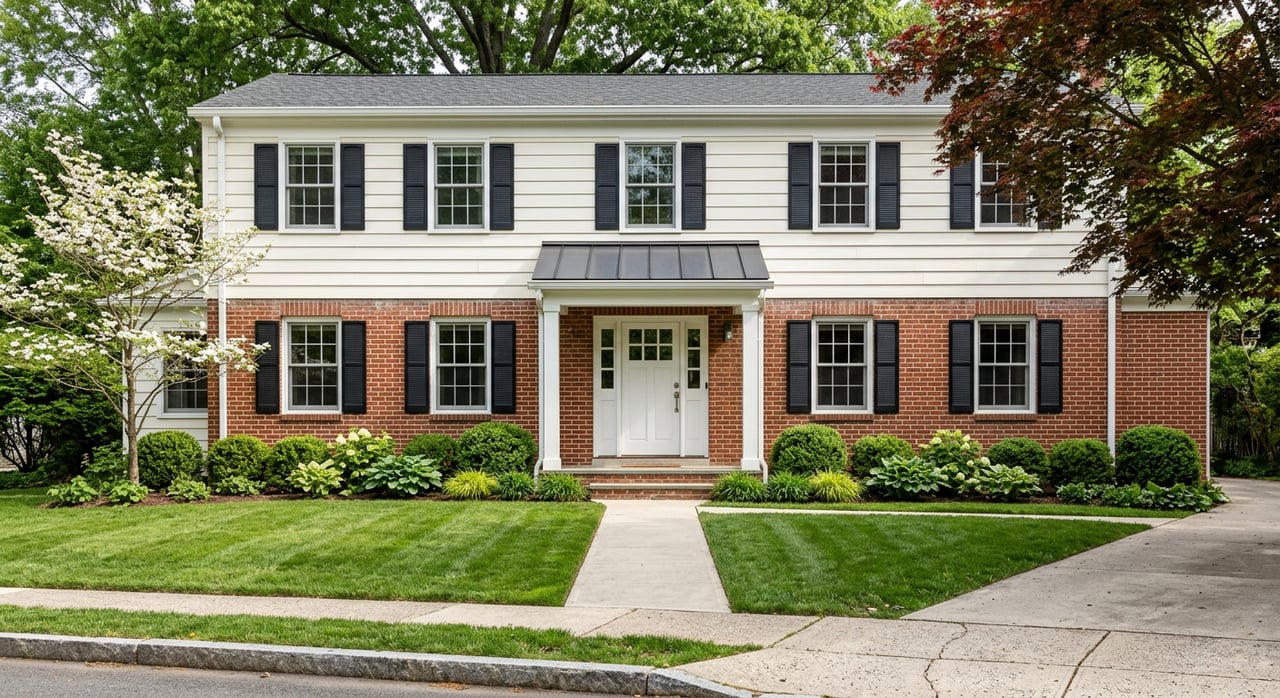
If a private yard, room to spread out, and options to add on are top priorities, a single-family home typically delivers more flexibility. You can often create outdoor living areas, add storage, or consider future expansions subject to local permitting.
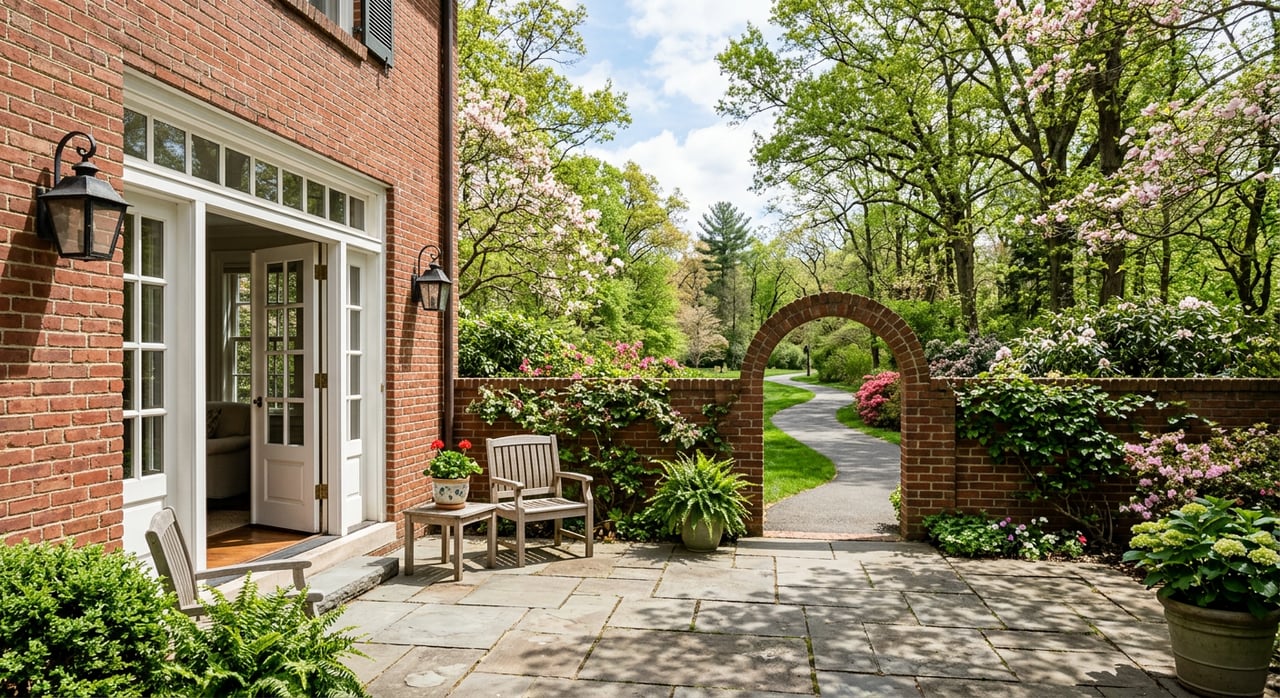
If you prefer a simpler lock-and-leave lifestyle with less lawn work, a townhouse can fit well. Outdoor areas tend to be a rear patio or small fenced yard, and you trade a bigger lot for less upkeep.
Parking and storage
Parking setups vary by development and street. Townhouses may offer a one-car or tandem garage, a driveway, or assigned spaces, and guest parking can be limited. Confirm HOA parking rules before you write an offer. Single-family homes more commonly include a driveway or garage, which can simplify day-to-day parking.
For storage, single-family homes often have more attic, basement, or shed options. Townhouses range widely, so pay attention to basement configuration, closet storage, and attic access during tours.
Commute, transit, and walkability
Rockville benefits from multiple Red Line stations in and near the city, plus access to I-270 and I-495. Townhouses near Town Center or in planned communities like King Farm often offer higher walkability to shops, parks, and transit nodes. Many single-family neighborhoods are more car-oriented, so consider your daily routine and commute when you compare addresses.
Schools and family considerations
School assignments can affect demand and resale for both townhouses and single-family homes. If schools are part of your decision, verify boundaries and program details for specific addresses directly with the district. If a larger yard or play space is important, a single-family home can be a better fit. Townhouses can also work well if they are near parks, playgrounds, or community green spaces.
Resale outlook and buyer pools
Townhouses tend to attract first-time buyers, downsizers, investors, and commuters who want proximity to transit and amenities. Single-family homes often draw buyers who value privacy, outdoor space, and room to grow. In both segments, renovation quality and move-in readiness influence time on market.
Homes close to Metro stations and major corridors often see stronger showing activity. Condition, layout, parking, and outdoor space matter across the board. The right pricing strategy is essential, since micro-location and property type can create different buyer expectations.
Quick decision checklist
Use this shortlist to clarify your needs:
- What is your top priority: lower maintenance and entry price, or a private yard and detached structure?
- How important are lot size and outdoor living for your household?
- Do you want an HOA, and if so, which rules and costs are acceptable?
- How long do you plan to stay? Shorter horizons can favor lower-maintenance options.
- How important are commute times and proximity to the Red Line or major routes?
- What is your total monthly budget, including mortgage, taxes, HOA fees, insurance, and maintenance?
Buying tips for Rockville townhouses
- Study the HOA: budget, reserves, insurance certificate, and any planned assessments.
- Clarify insurance: understand what the master policy covers and where your policy begins.
- Ask about noise and privacy: party-wall construction varies by age and builder.
- Review parking rules: confirm guest parking and assigned or deeded spaces.
- Inspect systems carefully: HVAC age, roof condition, water management, and any shared elements.
Buying tips for Rockville single-family homes
- Evaluate the lot: drainage, sun exposure, tree maintenance, and fence lines.
- Plan for upkeep: roof, siding, windows, driveway, gutters, and yard equipment.
- Consider expansion potential: check local permitting rules before assuming you can add on.
- Think storage and function: garage usage, sheds, basement finishing potential, and outdoor living areas.
Seller pointers: stand out by type
If you are selling a townhouse, give buyers a clear picture of the association. Provide documents, financials, and updates on planned work early to prevent delays. Emphasize low-maintenance living and access to transit, parks, and shopping.
If you are selling a single-family home, highlight lot advantages, recent exterior upgrades, and outdoor features that expand living space. Simple improvements to landscaping, lighting, and hardscape can boost curb appeal.
When you want help preparing to list, you can tap pre-listing support, professional staging guidance, and coordinated repairs to meet buyer expectations in your submarket.
Which is right for you?
The best choice comes down to your lifestyle and long-term plans. If you value simplicity and location near transit, a townhouse may be the smarter fit. If you want privacy, yard space, and room to grow, a single-family home may serve you better over time.
If you would like a tailored side-by-side comparison, we are here to help. For a local consult that weighs your budget, commute, and goals, reach out to Marlene Aisenberg. We will walk you through options and next steps.
FAQs
What are the biggest cost differences between Rockville townhouses and single-family homes?
- Single-family homes often have higher purchase prices and full exterior maintenance. Townhouses can cost less up front, but many include HOA fees. Compare total monthly outlay, including taxes, HOA, insurance, and upkeep.
How do HOAs affect townhouse ownership in Rockville?
- HOAs can cover exterior items and amenities, but fees and rules vary. Review budgets, reserves, special assessments, rental caps, and modification rules before you buy.
Do townhouses and single-family homes require different insurance?
- Yes. Single-family owners typically carry HO-3 policies. Townhouse coverage depends on ownership type and the HOA master policy. Confirm what the master policy covers to avoid gaps.
Will a townhouse appraise differently than a detached home?
- Appraisers compare like to like. Townhouses are measured against townhouse comps, and detached homes against detached comps. Limited recent sales in a micro-area can make valuations more sensitive.
Are townhouses harder to resell in Rockville?
- Not necessarily. Resale depends on location, condition, proximity to transit and amenities, and buyer demand at the time you list. Turnkey properties often attract more attention.