Are you wondering where to price your Potomac luxury home so it stands out without sitting on the market? You are not alone. In high-end segments with fewer buyers and unique features, pricing can feel more like strategy than formula. In this guide, you will learn a clear, step-by-step process to set a confident price, align marketing with that price, and make informed adjustments if the market shifts. Let’s dive in.
What “luxury” means in Potomac
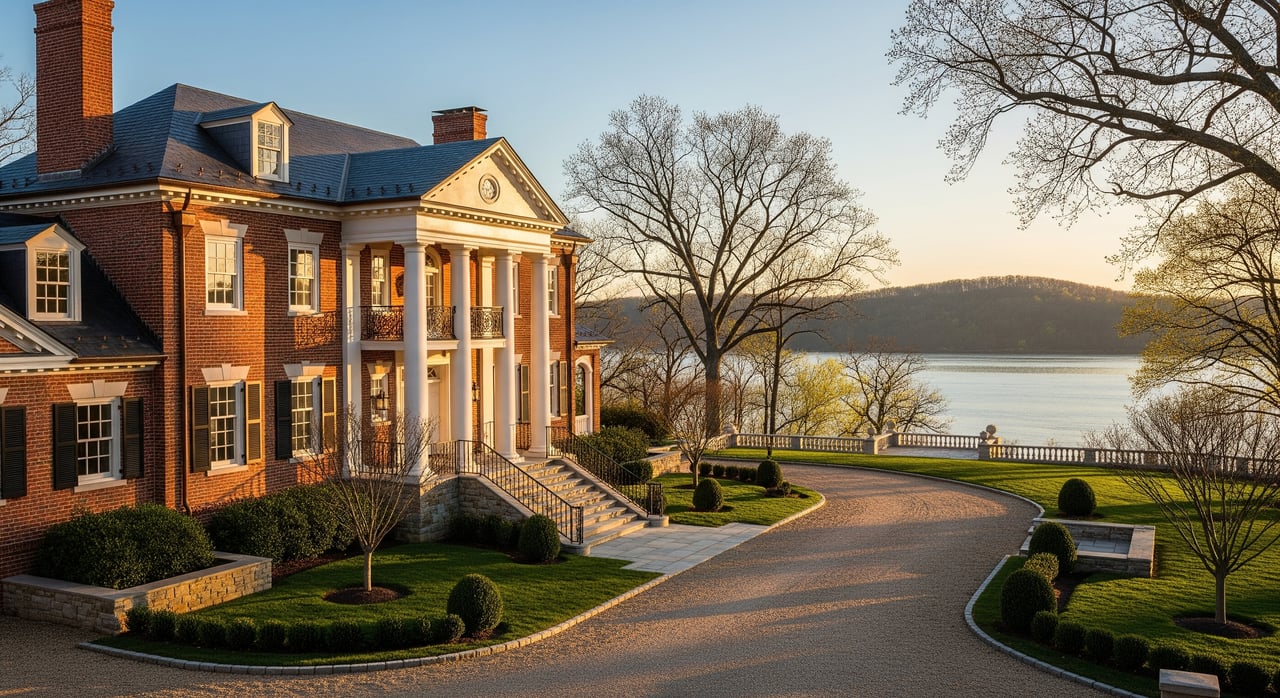
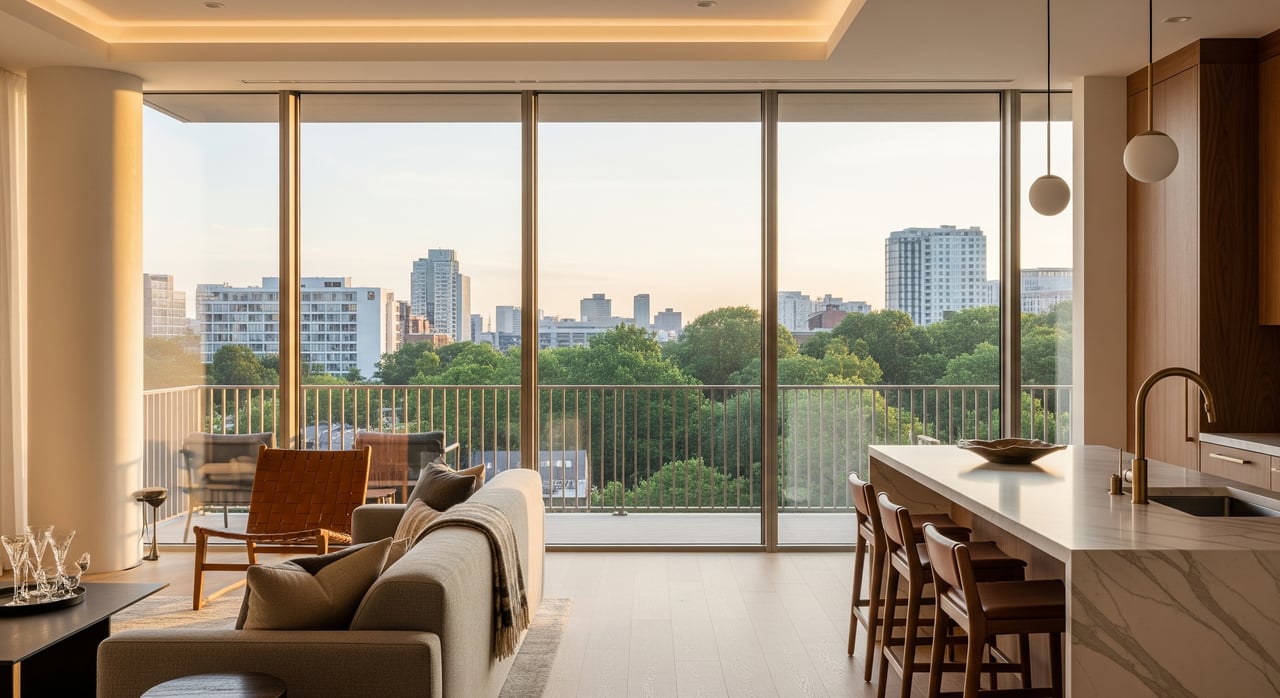
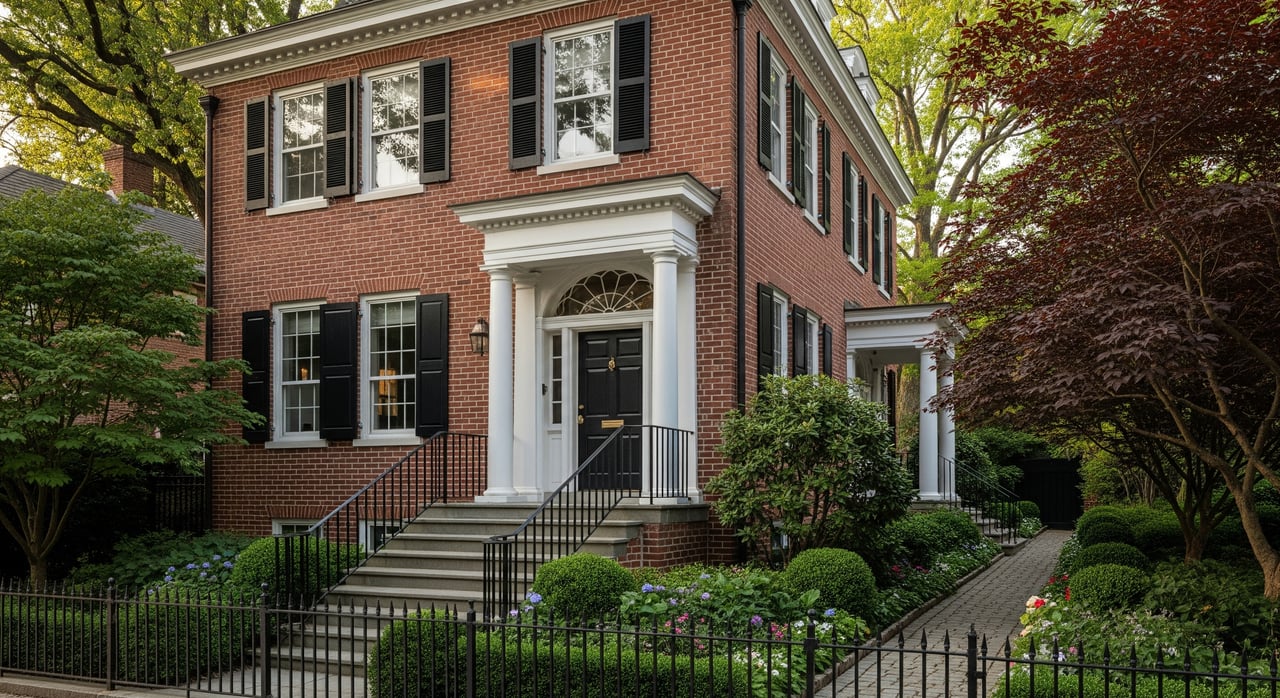
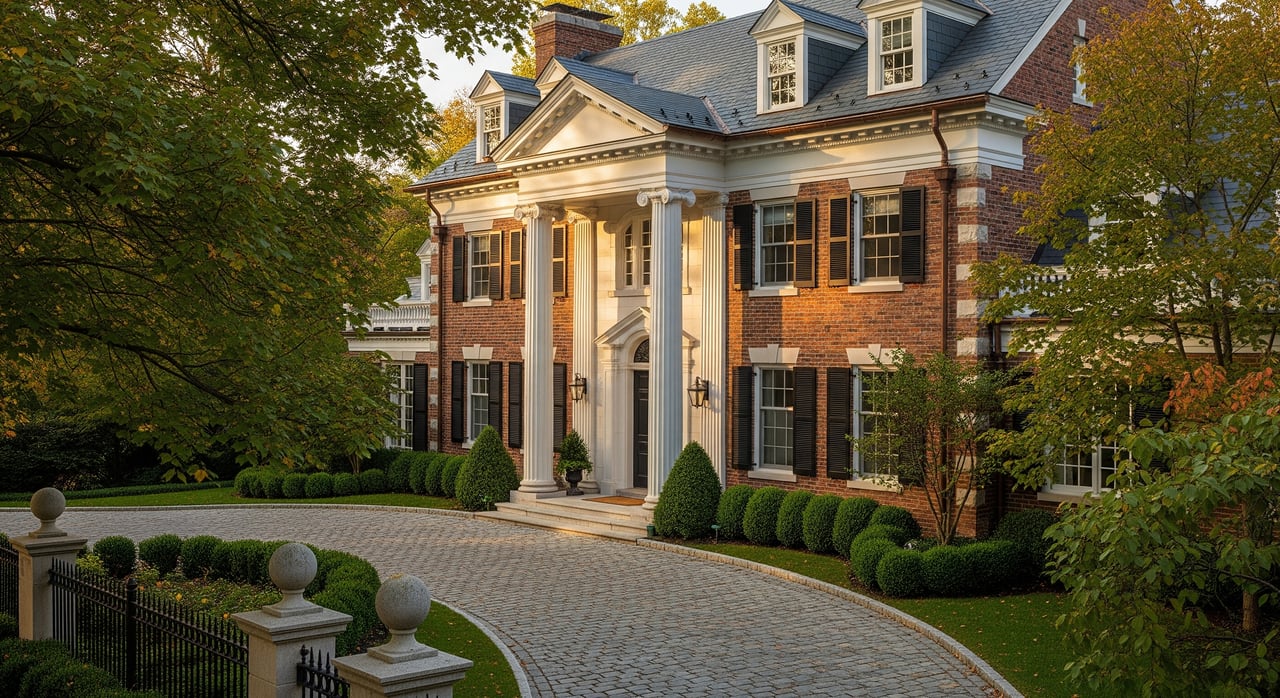
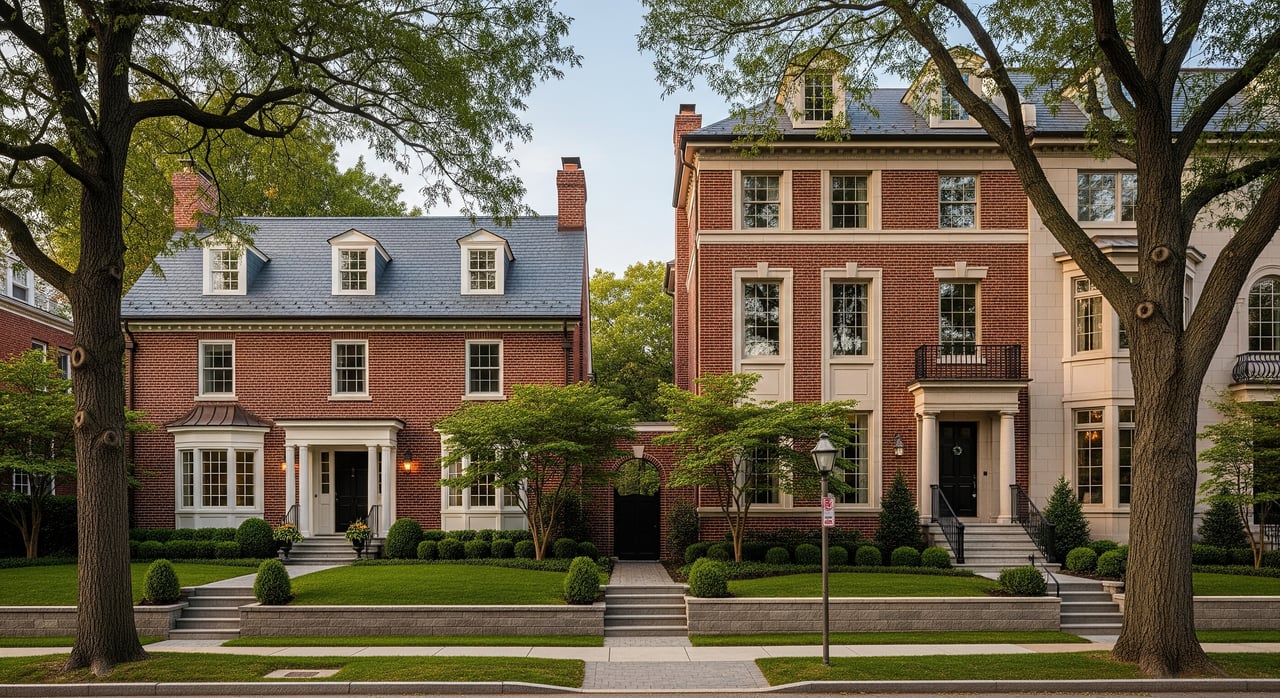
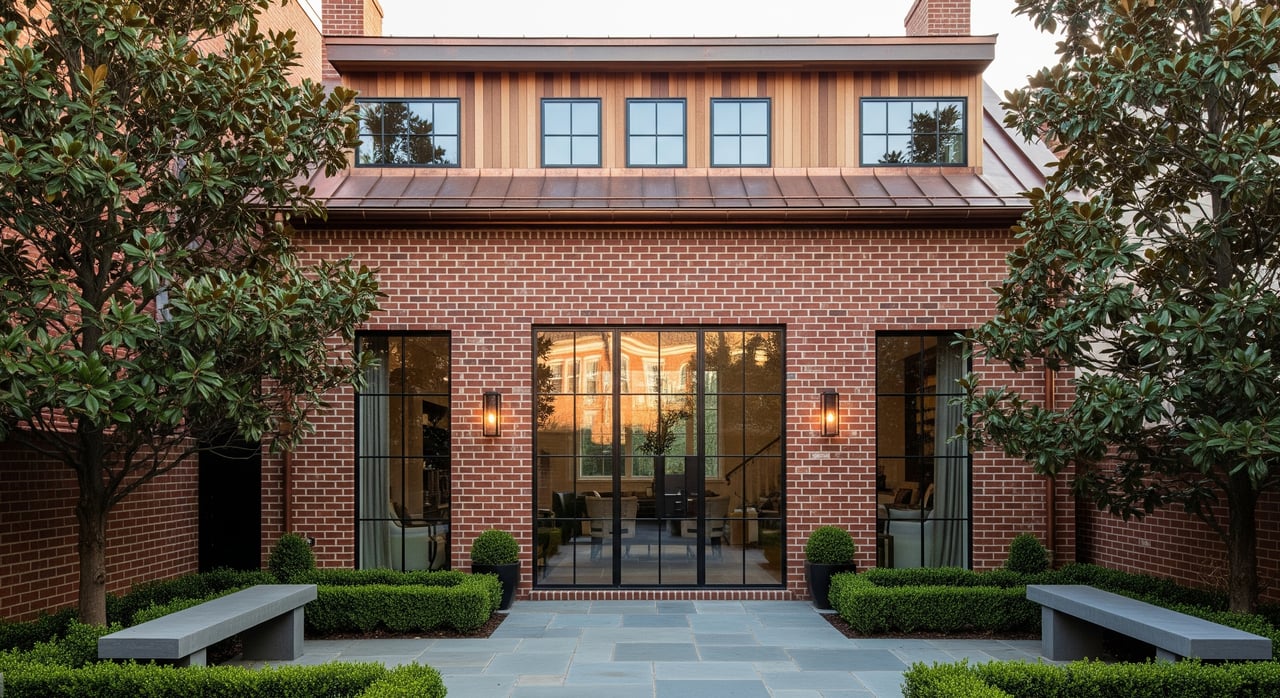
Luxury is relative to the local market. In Potomac, you are generally in the luxury tier when your home sits in the top price brackets for the immediate area and offers larger lots, generous square footage, and custom finishes. Think chef’s kitchens, thoughtfully designed outdoor spaces, pools or guest houses, and architectural or design significance.
Because “luxury” varies by neighborhood, define it clearly when you price. You might reference the top 10 to 25 percent of recent sales in your micro-market, or homes above a specific size or lot threshold with high-end upgrades. The more specific your definition, the better your pricing and marketing alignment.
How the Potomac luxury market behaves
Luxury segments move differently from the broader market. You will often see fewer sales, longer timelines, and buyers who may be local, regional, or relocating to the DC area. That means fewer direct comps and more careful adjustments for lot size, finish quality, and unique amenities.
Buyers in this tier value privacy, lot features, and seamless finishes, but they are also data-minded. If a price feels aspirational without evidence, engagement drops. A well-supported price paired with strong marketing usually generates better traction.
Build your pricing range the right way
Step 1: Define your buyer profile
Identify likely buyers and how far they might travel to consider your property. In Potomac, pools of qualified buyers can include executives, international clients, and regional movers with specific commuting or school preferences.
Step 2: Assemble a robust comp set
Pull sold, pending, and active listings from the last 6 to 12 months. Expand your radius when needed for rare features, and be transparent about differences between areas. In luxury pricing, quality and land often outweigh raw square footage.
Step 3: Adjust with care
Use a comparative market analysis and make thoughtful adjustments for lot size, age, condition, square footage, and amenities like pools, guest houses, or advanced mechanical systems. Price per square foot can be a reference, but it should not drive your final number on its own.
Step 4: Set a three-tier price range
- High or aspirational price: Use only if you plan an extended marketing runway and you accept the trade-off of fewer early showings.
- Target price: Your most likely number based on comps and your marketing window.
- Conservative price: Consider this for a faster sale or if market signals soften.
Step 5: Model scenarios
Map out likely time on market, negotiation dynamics, and expected concessions. This helps you decide whether to prioritize speed or top-dollar outcomes.
Step 6: Agree on a price-adjustment cadence
Establish clear decision points in advance, such as after 30 to 60 days or a set number of showings without offers. Decide what metrics will trigger a change to avoid reactive pricing later.
Segment by Potomac micro-markets
Potomac includes distinct clusters such as river-adjacent estates, gated enclaves, and custom subdivisions. Each has its own price bands and buyer expectations. Your CMA should segment by these micro-markets. Aggregate only when necessary and document your adjustments.
Presenting your price to the market
- Use precise pricing. A number like $2,175,000 can signal a data-driven approach better than a rounded figure.
- Consider psychological thresholds only if demand supports it. Listing at or just below a key level may help if buyer activity is strong.
- Avoid inflated list prices designed to create negotiating room. In luxury, perceived overpricing can suppress engagement.
Align pricing with premium marketing
Your marketing should match your price point. That often includes professional photography, aerial and twilight imagery, 3D tours, refined staging, and targeted outreach to brokers and qualified buyers. Superior marketing can support a modest premium, while a mismatch between price and presentation reduces confidence.
“Coming soon” or private-exclusives can work in luxury, but weigh the benefits against reduced exposure. Always follow local MLS rules and align the approach with your timeline.
Timing and seasonality you can plan around
Spring tends to draw more buyers, but corporate relocation cycles and school calendars also influence timing in Potomac. Launch when your property is truly ready rather than rushing to meet a date. The right preparation and pricing usually outweigh a calendar advantage.
Financing and appraisal realities to expect
Jumbo loans are common in this tier. Lenders may use more conservative loan-to-value ratios and require detailed documentation, which can extend timelines. Even when buyers have significant cash, appraisals still matter when financing is involved.
Appraisers rely on comparable sales, and in thin luxury markets they may need to expand the timeframe or area. Help the process by compiling a clear list of upgrades, receipts, and comparable properties with notes on key adjustments. For unique homes with limited comps, consider documenting replacement costs for major features.
Negotiation patterns in luxury deals
Seller-paid closing costs are less common at the high end. Buyers are more likely to negotiate price or request repair credits. Contingencies can be complex, especially with financing and appraisal. Screening for qualification helps reduce fall-through risk and protects your time on market.
Pre-listing checklist for a pricing-ready home
- Compile 6 to 10 comparables across sold, pending, and active listings with your adjustments noted.
- Create a documented list of upgrades, renovation dates, warranties, and maintenance records.
- Consider pre-inspections for major systems, pools, septic or wells if applicable.
- Gather HOA or condo documents, easements, surveys, and disclosures.
- Order professional photography, drone imagery, and a virtual tour.
- Consult a local lender about typical financing scenarios for your buyer profile.
- Align on a three-tier price range and a defined price-reduction timeline.
What to watch once your listing goes live
Track the signals that matter in Potomac’s luxury tier:
- Showings per week and online engagement with your virtual tour and listing page
- List-to-sales price ratios and days on market for competing listings
- Price reductions and the rate of withdrawn or expired listings nearby
- Buyer origin, including local versus out-of-area interest
- Financing mix across active and pending comps, such as cash versus jumbo loans
If showings stall or strong comps begin reducing prices, revisit your pricing or presentation promptly, ideally at a pre-agreed checkpoint.
How we price and market luxury in Potomac
You deserve a pricing plan that is both data-driven and tailored to your home. Our team combines a robust CMA and micro-market analysis with premium marketing. We coordinate pre-listing preparation, including staging guidance and vendor management, and we leverage Coldwell Banker resources, including the RealVitalize program for select repairs and improvements and Coldwell Banker Luxury distribution for enhanced exposure.
We keep you informed with clear metrics and decision points so your strategy remains proactive. The result is a thoughtful, low-pressure process that aligns pricing, presentation, and timing with your goals.
Ready to talk next steps or see a tailored pricing range for your home? Reach out to Marlene Aisenberg to request a personalized home valuation.
FAQs
What does “luxury home” mean in Potomac pricing?
- In Potomac, luxury typically refers to the top price tiers in the immediate market along with larger lots, generous square footage, and custom finishes; define it precisely for your neighborhood when you price.
Is price per square foot reliable for Potomac luxury homes?
- Use price per square foot only as a reference, because lot size, design quality, and unique amenities often drive value more than raw square footage.
How do appraisals work for luxury properties in Montgomery County?
- Appraisers prioritize comparable sales, which can require a broader radius or timeframe; providing upgrade documentation and carefully chosen comps helps support your price.
Should I list above market to leave room when selling a Potomac estate?
- Overpricing often reduces buyer engagement in thin luxury segments; a market-aligned price with premium marketing typically produces better outcomes.
When should I reduce the price of a Potomac luxury listing?
- Decide in advance to review after 30 to 60 days or when key metrics lag, such as limited showings, no offers, or competing listings cutting prices.
How does timing affect selling a high-end home in Potomac?
- Spring can bring more activity, but relocation cycles and school calendars also matter; prioritize a fully prepared launch over rushing to a date.
Do jumbo loans change negotiations for Potomac luxury buyers?
- Yes, jumbo financing often comes with conservative loan-to-value ratios and rigorous documentation, so timeline management and appraisal readiness are important for both parties.