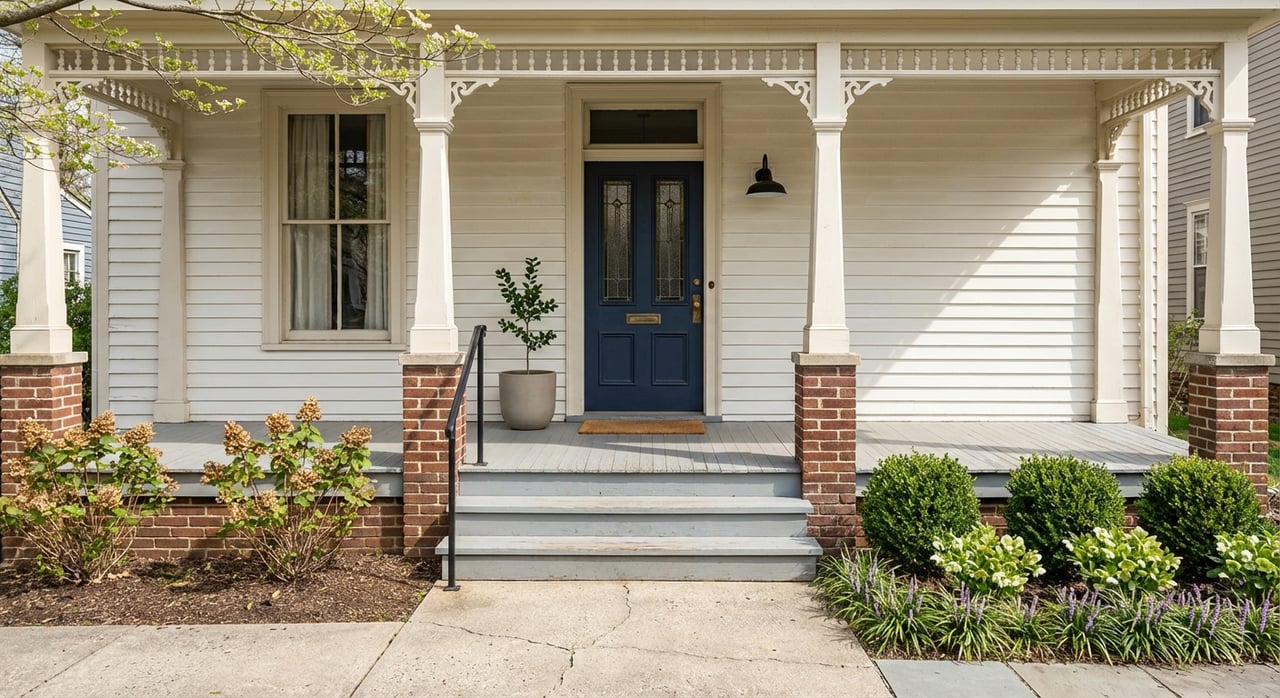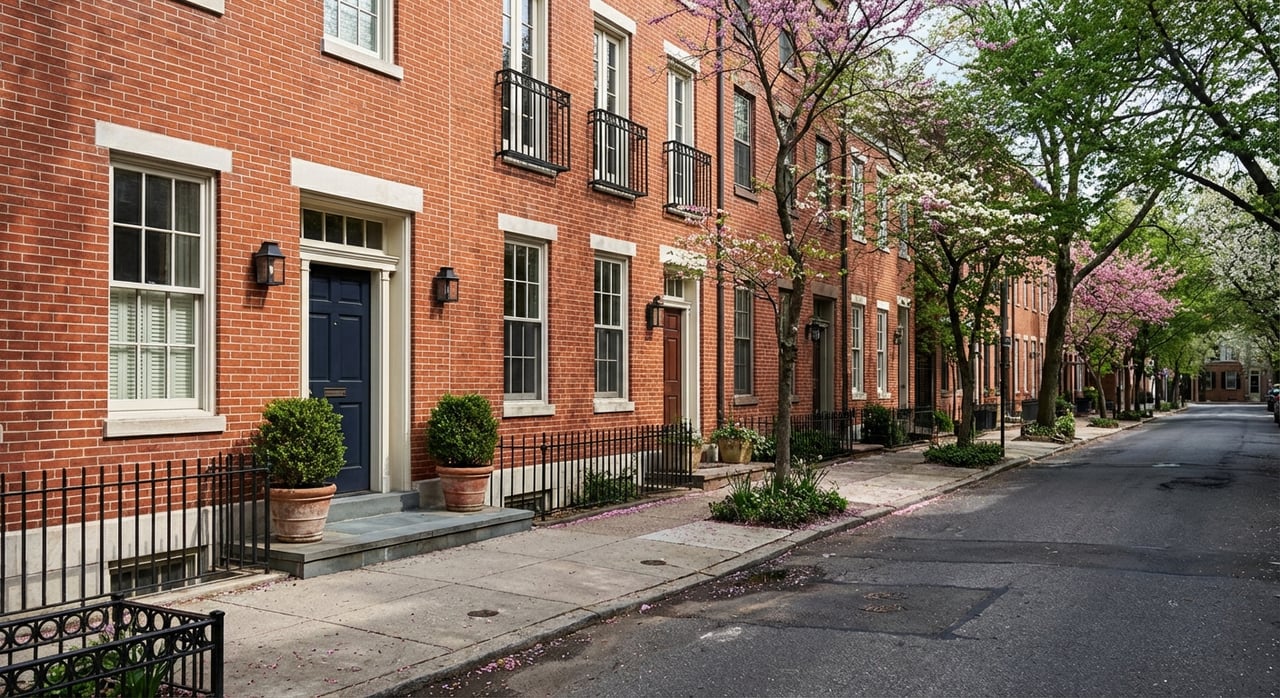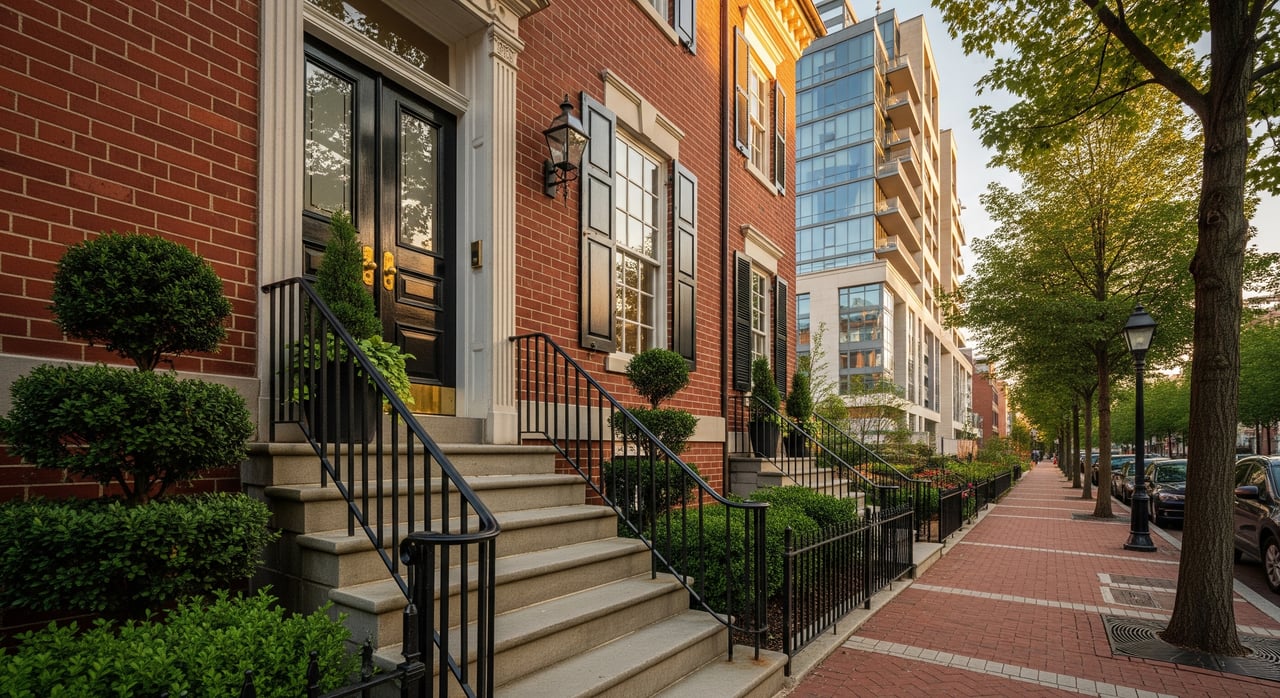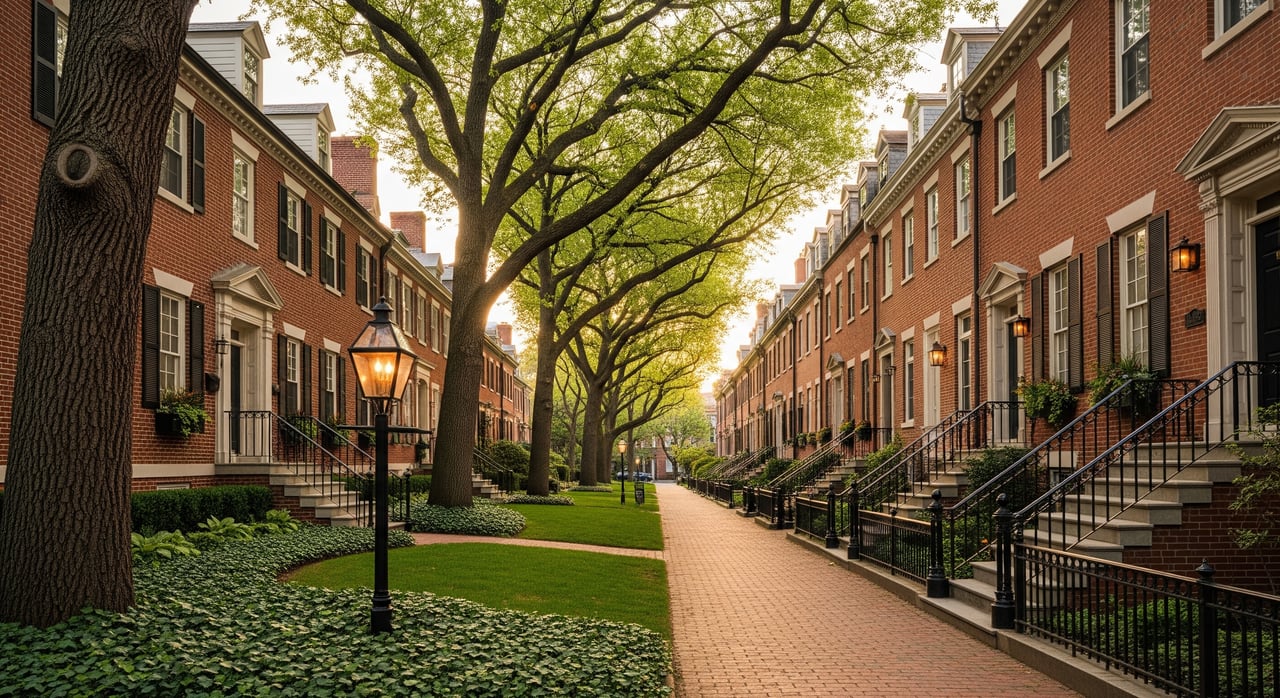
If you love wraparound porches, stained glass, and tree-lined streets, a historic home in Kensington might be calling your name. You also know older homes can come with extra rules and hidden costs, which makes it smart to prepare before you write an offer. In this guide, you’ll learn how local preservation rules work, what to inspect, realistic budget ranges, and how to plan your timeline. Let’s dive in.
Why Kensington’s historic homes stand out
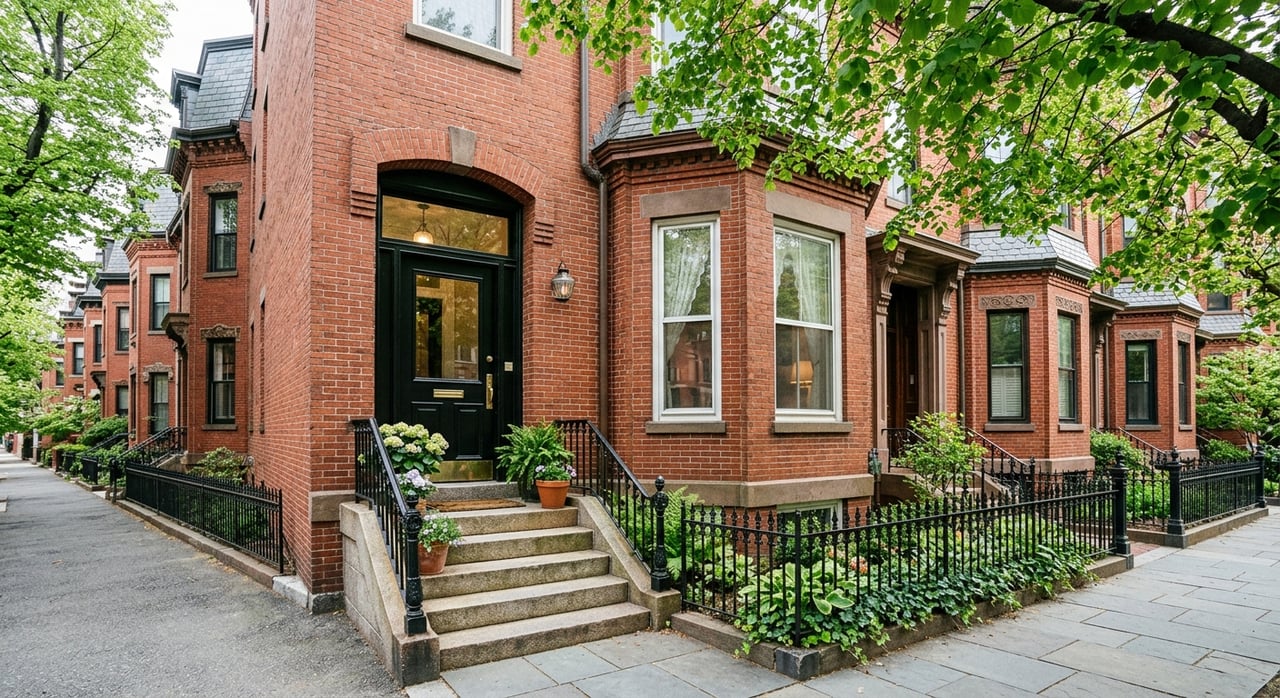
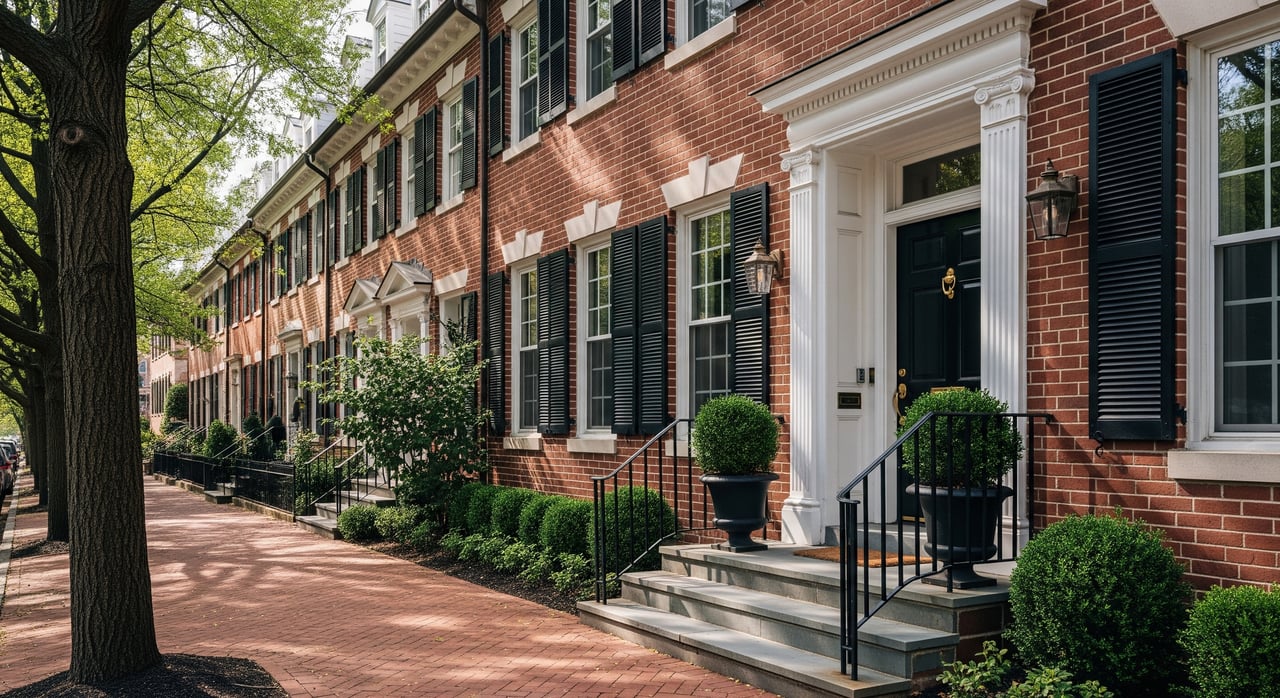
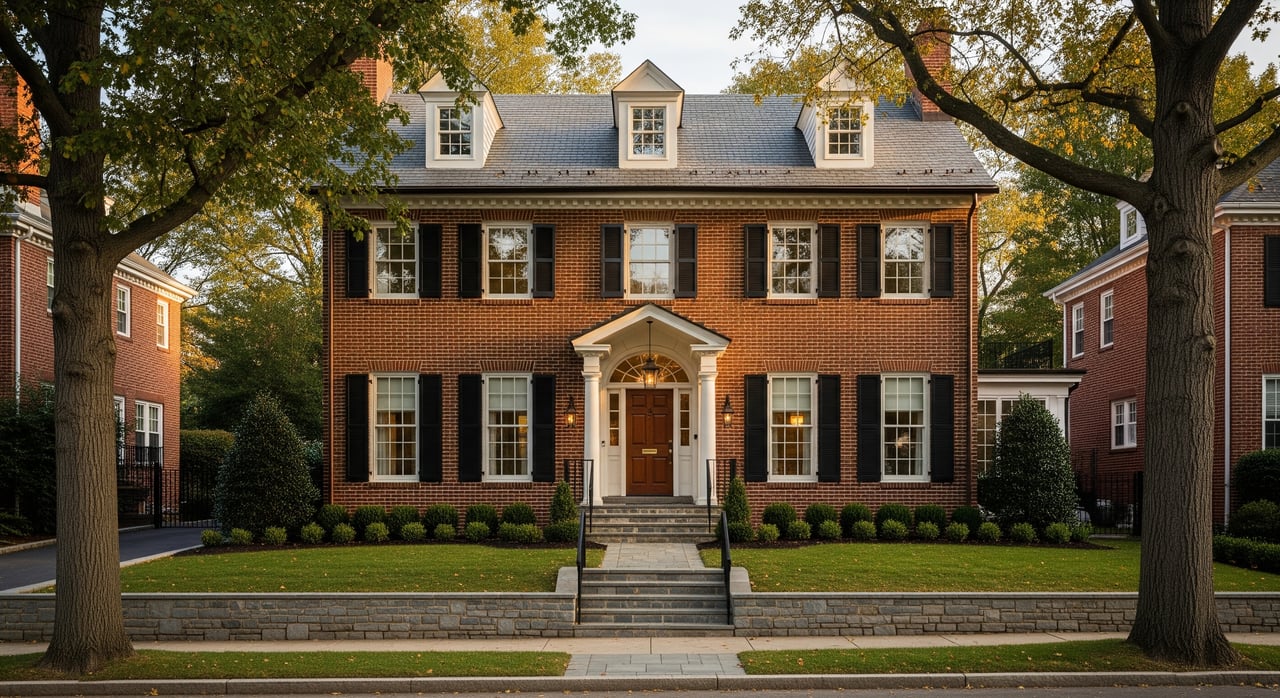
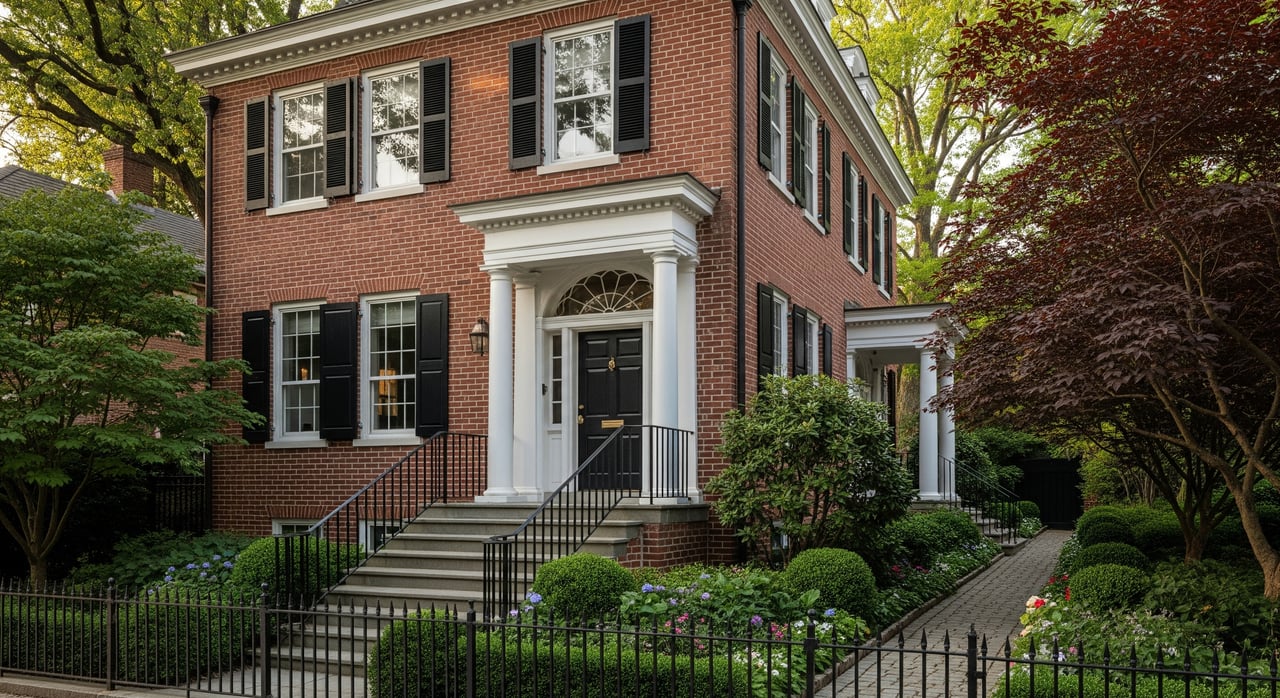
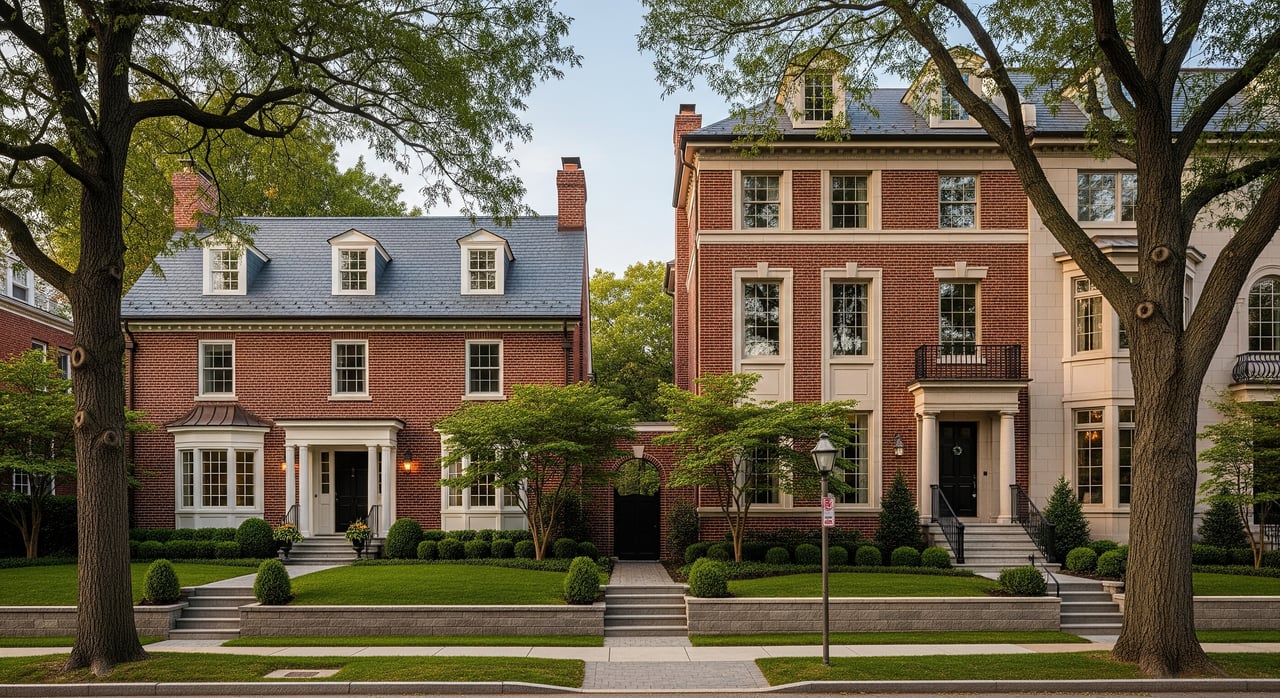
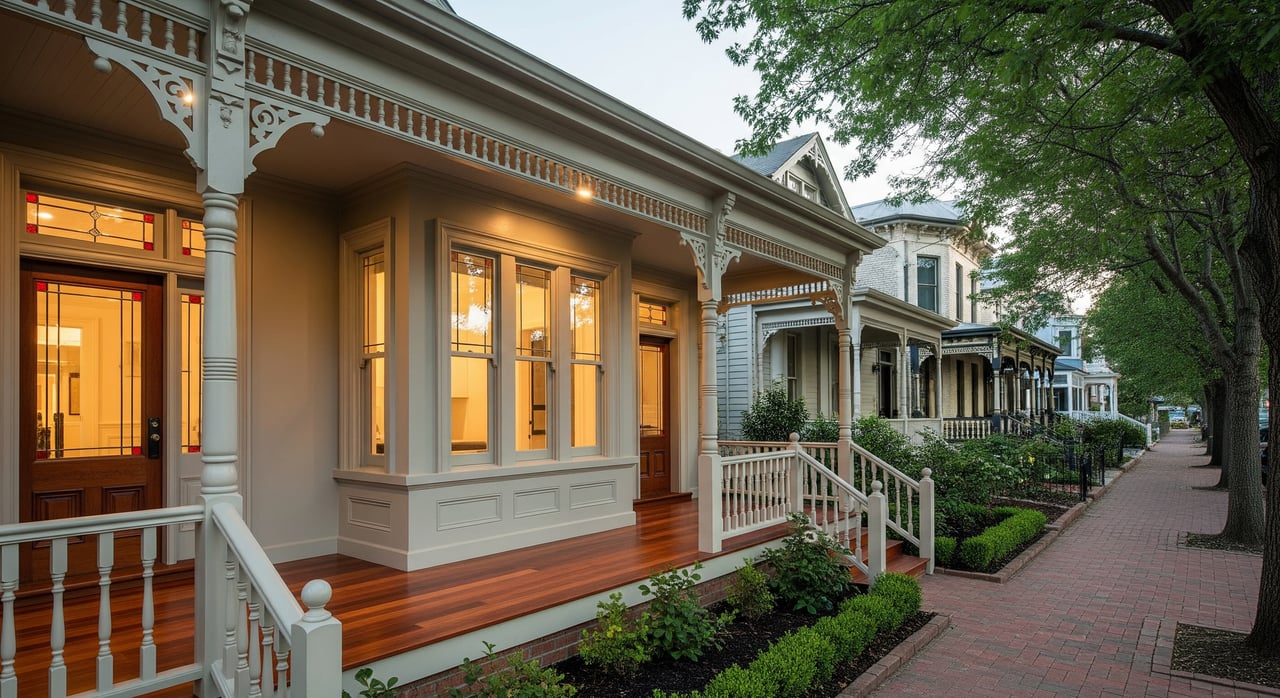
Kensington began as a late 19th-century railroad garden suburb, and it still shows. You will find Queen Anne and Colonial Revival homes, curving brick sidewalks, and mature trees near the MARC-era train station and Antique Row on Howard Avenue. A portion of the town’s core is listed as the Kensington Historic District on the National Register and included on Montgomery County’s Master Plan for Historic Preservation, which helps preserve the neighborhood’s character. You can explore the district’s background and walking resources through the Kensington Historical Society.
If you are house hunting, focus around the tracks, Kensington Parkway, Summit Avenue, Washington Street, Warner Street, and streets near Warner Circle. Howard Avenue holds the historic commercial strip. Popular residential streets with older homes include Washington Street, Montgomery Avenue, Summit Avenue, and St. Paul Street. Always confirm whether a specific property sits inside the Master Plan district before you plan exterior changes.
Know the preservation rules
Three layers to check
- National Register listing. This is federal recognition of significance. It may open the door to tax incentives in specific cases, but it does not restrict a private owner’s routine exterior changes by itself.
- Montgomery County Master Plan listing. If a property is on the County’s Master Plan for Historic Preservation, many exterior changes require approval by the County Historic Preservation Commission through a Historic Area Work Permit, also called a HAWP.
- Town of Kensington guidance. The Town provides maps, contacts, and coordination for projects inside the town limits. Check Town resources and coordinate early.
When a HAWP is required
Moving, demolishing, or altering exterior features usually requires HAWP approval before a building permit is issued. Examples include replacing siding with a different material, changing or removing a porch, replacing windows visible from the street, adding or changing fences or retaining walls, and major grading or tree removal. Routine repair in kind is often excluded, but the line can be technical. Review the County’s step-by-step HAWP guidance and talk with a preservation planner early.
Timing, approvals, and strategy
Plan for extra time. HAWP applications follow a schedule and HPC meetings are held on set dates. Many projects move smoothly when you align early with the County preservation staff and use materials that match the home’s period. If you are budgeting a renovation, add time for HAWP review, building permits, and specialty trades.
What inspections to prioritize
Older homes can be durable and beautiful, but you need the right experts. Add the following pros and checks to your inspection window.
Structure and exterior envelope
- Foundations and settlement. Older stone or brick foundations can show movement, moisture, or failing mortar. If you see bowed walls or stair-step cracks, have a structural engineer take a look.
- Roofs and porches. Many early roofs were slate or wood. Slate can last a century, yet repairs and replacement cost more than asphalt. Have an inspector review roof sheathing, flashing, and porch framing, then price out specialty trades if needed.
Electrical safety and capacity
- Aging wiring. Knob-and-tube or cloth-insulated wiring may still be present. Many buyers choose a full or partial rewire for safety and insurance acceptance. Typical rewires can range from a few thousand to low five figures depending on access and size.
- Problem panels. Some mid-century breaker panels present known safety issues. If your inspector flags a Federal Pacific “Stab-Lok” or similar brand, budget for replacement and alert your lender and insurer. For background, see this consumer guidance on FPE panels.
Plumbing and water service
- Older pipes. Cast iron waste lines and galvanized water lines can leak or restrict flow. Ask a licensed plumber to evaluate and scope drains if needed.
- Service line material. WSSC Water is identifying and replacing lead and galvanized service lines. Verify the service line for any Kensington address using WSSC’s tool, and budget for replacement if present.
Heating, cooling, and insulation
Many historic homes run on hot-water boilers and radiators. If you want central AC, expect to add ductwork or use ductless heat pumps. Have an HVAC contractor price conversion or replacement before you commit.
Interiors and finishes
Original plaster, woodwork, and stained glass add value but cost more to repair. Plan for plaster patching and careful carpentry by contractors familiar with historic materials.
Lead paint and asbestos
- Lead. Homes built before 1978 are likely to have lead-based paint. Renovations that disturb paint trigger the EPA’s Renovation, Repair and Painting rule. Hire certified firms and follow lead-safe work practices. Review the EPA’s RRP consumer guidance.
- Asbestos. It may be present in older floor tile mastic, pipe insulation, roofing, or textured ceilings. Test before planning demolition. Abatement costs vary by material and access.
Radon and indoor air
Montgomery County requires radon testing for most single-family home sales, but the law exempts the incorporated Town of Kensington. Even though a test may not be required, it is still recommended for health. See the County’s radon guidance and add a radon test to your inspection list.
Pests and drainage
Termites and chronic drainage issues are common in older homes. Include a pest inspection and evaluate grading and downspout extensions so water moves away from the foundation.
Budget ranges and common surprises
Set aside a realistic reserve for first-year projects. Actual bids vary, so get 2 to 3 local quotes.
- Electrical rewire. A typical whole-house rewire can run about 4,000 to 15,000 dollars or more, based on size and access.
- Roof replacement. Asphalt replacement is generally lower cost. Slate or other specialty materials can reach multiple tens of thousands for larger or complex roofs.
- Plumbing and service line work. Repiping sections, or replacing a customer-side water service, can range from several thousand to 20,000 dollars or more.
- Window work. Repair of several historic wood windows often lands in the low thousands. Full custom wood replacement across the house can reach the tens of thousands.
- Lead or asbestos remediation. Small areas may cost a few thousand. Whole-house abatement can run into the tens of thousands. Use certified contractors and testing labs.
Incentives that can help
If your property is on the County’s Master Plan for Historic Preservation, certain exterior preservation and restoration work may qualify for a County tax credit. Review eligibility before you start and keep detailed paperwork. Income-producing historic properties can also pursue a federal credit for qualified rehabilitation, subject to strict standards. These programs require early planning and documentation.
Resale realities in Kensington
Historic homes in Kensington often draw strong demand for authentic details, porches, and proximity to the town center. Buyers appreciate the protected character of the district and the walkable setting near Antique Row and the train station.
Deferred maintenance is the biggest drag on value. Unpermitted work, hazardous service materials, failing mechanicals, or a lack of modern electrical capacity can slow a sale or reduce your net. When you plan improvements, keep documentation and permits organized. Thoughtful preservation and smart system upgrades usually pay off in buyer confidence and price.
How to shop smart: a simple plan
- Map the status. Confirm if the property is within Town limits and on the County’s Master Plan district list. That will guide your exterior plans and timing.
- Build your team. Along with a general inspector, line up an electrician, plumber, and HVAC pro. Add a structural engineer if there are settlement signs, and schedule radon testing plus lead and asbestos checks if you plan to renovate.
- Price the fixes. Get written quotes for top priorities like electrical service, roofing, and HVAC. Use these to refine your offer and contingency strategy.
- Plan for approvals. If exterior work is likely, factor HAWP timing into your schedule. Ask about materials and designs that meet the Secretary of the Interior’s Standards.
- Use incentives wisely. Check County preservation tax credit rules and keep receipts and photos of eligible work.
- Keep records. Save permits, approvals, and contractor invoices. Organized documentation makes resale easier.
Local resources
- Montgomery County HAWP step-by-step guide: Historic Area Work Permits
- Montgomery County Historic Preservation Tax Credit: Eligible work and how to apply
- Town of Kensington: Historic preservation resources and contacts
- National Park Service: Federal historic tax credit basics
- National Park Service: Preservation guidance for historic buildings
- WSSC Water: Check service line material and programs
- EPA: Lead-safe renovation rules for consumers
- Kensington Historical Society: Historic district overview
Buying a historic home should feel exciting, not overwhelming. If you want a calm, step-by-step plan tailored to your goals and timeline, reach out to Marlene Aisenberg for a friendly, no-pressure consultation.
FAQs
What makes a home “historic” in Kensington?
- A home may be historic if it lies within the Kensington Historic District that is listed on the National Register and included on Montgomery County’s Master Plan for Historic Preservation, which can trigger review for exterior changes.
Do I need a permit to replace windows in the district?
- If the windows are visible from the street and the property is on the County Master Plan, you likely need a Historic Area Work Permit before a building permit is issued. Check with the County preservation office early.
Are radon tests required for Town of Kensington home sales?
- Montgomery County’s radon test rule exempts the incorporated Town of Kensington, but a radon test is still recommended for health and peace of mind.
How much does it cost to rewire an older Kensington home?
- Costs vary by size and access, but a whole-house rewire often runs about 4,000 to 15,000 dollars or more. Get on-site estimates from licensed electricians.
Can I get tax credits for renovating a historic Kensington home?
- If your property is on the County’s Master Plan for Historic Preservation, certain certified exterior preservation work may qualify for a County tax credit. Income-producing historic properties may also qualify for a federal credit.
What inspections should I add for a Victorian-era house?
- In addition to a general inspection, add an electrician, plumber, HVAC pro, pest inspector, and, if needed, a structural engineer. Include tests for radon, lead paint, and asbestos if you plan renovations.